Sauna and Cold Plunge: Contrast Therapy Protocol
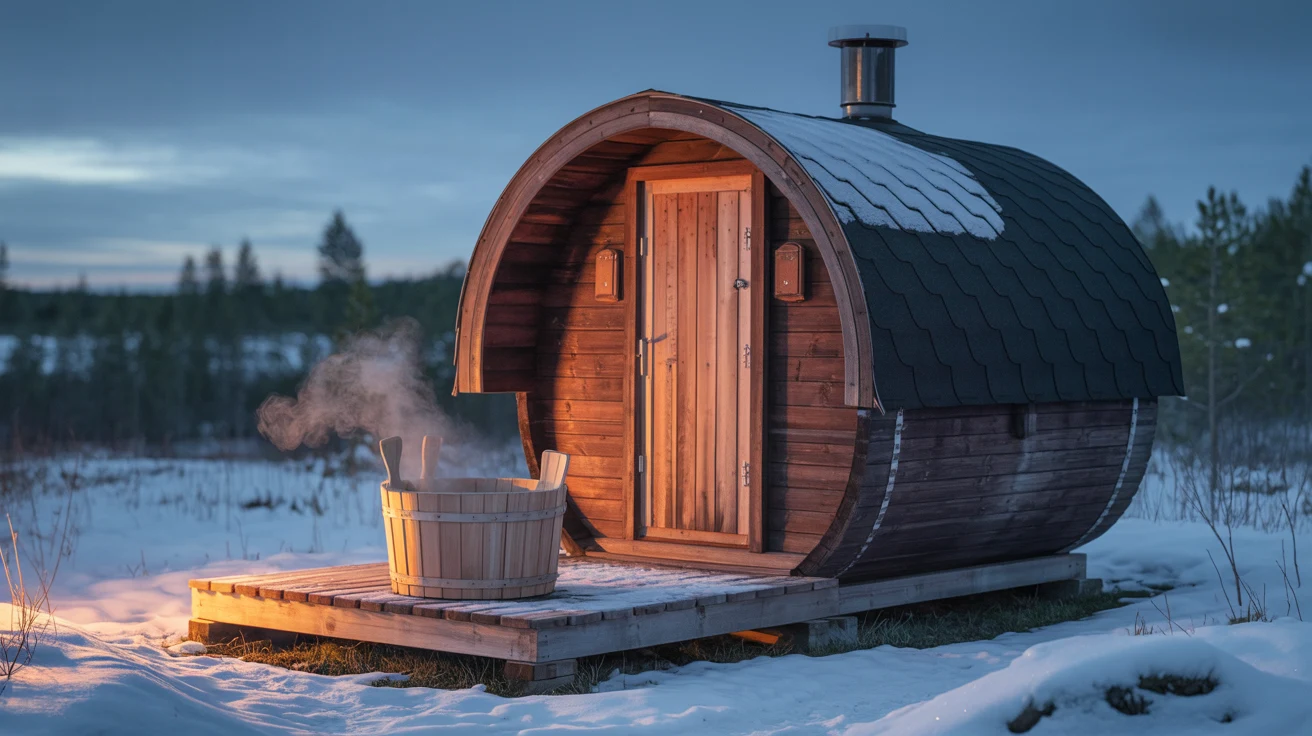
Finns have alternated between hot sauna and cold water for centuries without calling it a “protocol.” You sit in the heat, you walk into the lake or roll in the snow, you go back. That’s the whole thing. The American biohacker version comes with timers, temperature targets, and a spreadsheet, and most of it is overcomplicated dressing on a practice that survives just fine without optimization. What’s actually happening to your body during contrast therapy is real and worth understanding, but you don’t need expensive chillers and a stopwatch to get the benefit. You need a hot room, cold water, and the willingness to get into it.
The sauna and cold plunge routine
Here is the whole thing, the way you can do it tonight:
- Sit in the sauna until you’re thoroughly warm and sweating freely. Get out sooner if you feel light-headed. A 2025 University of Oregon study (Atencio, Minson and colleagues) in the American Journal of Physiology used three 10-minute rounds at 80°C, which is one research protocol rather than a rule.
- Go to the cold: a lake, the sea, a cold shower, or a plunge tub at 2-15°C (35-59°F), for 1 to 3 minutes. Start at the warmer end of the range and work down as you adapt.
- Come out and rest in open air. Sit or stand outside or on a bench until your breathing and heart rate settle and you feel ready; a drink of water helps.
- Go back into the heat and repeat. Two or three rounds is a typical Finnish sauna evening; if you do more, make them shorter, and stop when the heat stops feeling good.
- Finish on cold to stay alert or on warm to relax for sleep.
What contrast therapy actually does to your body
The mechanism is circulatory. In a hot sauna your skin’s blood vessels dilate to dump heat. At rest, only a small fraction of cardiac output goes to the skin; under heat stress, skin blood flow rises dramatically as the body works to shed heat, a thermoregulatory response described in physiological reviews such as Crandall and Wilson’s 2015 review “Human cardiovascular responses to passive heat stress” in the journal Comprehensive Physiology. Your heart rate climbs to push all that blood toward the surface. The Finnish Sauna Society describes the same shift in cultural terms (a large share of circulating blood moving toward the skin), but the underlying physiology is the part to lean on.
Then you hit the cold. The vessels constrict hard, blood rushes back toward the core, and your heart rate spikes again to maintain blood pressure as the volume of your vascular space changes. Back into the heat, they dilate again. This pumping action (dilation, constriction, dilation) is the entire physiological premise of contrast therapy. Your circulation gets a workout it doesn’t normally get sitting on a couch.
That’s the part everyone agrees on. Whether this translates into measurable recovery or health gains is where the evidence gets thinner, which I’ll get to below.
The traditional Finnish protocol
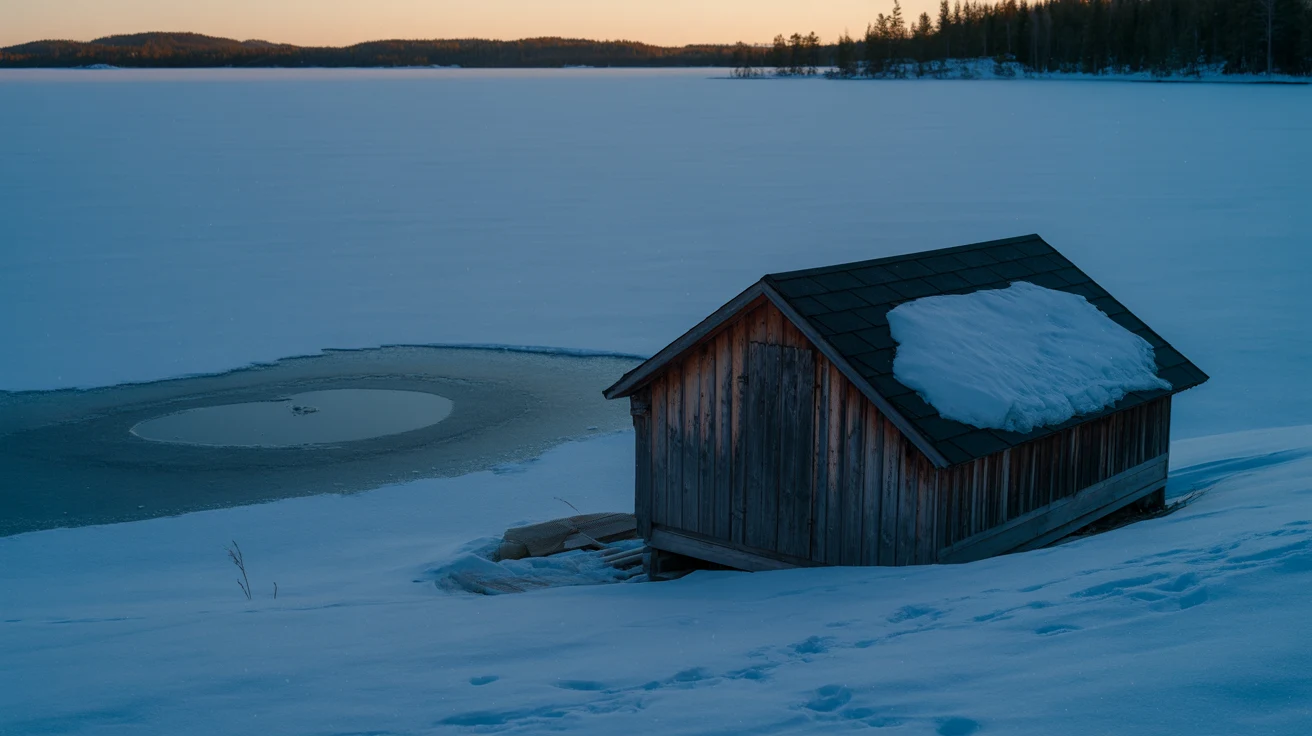
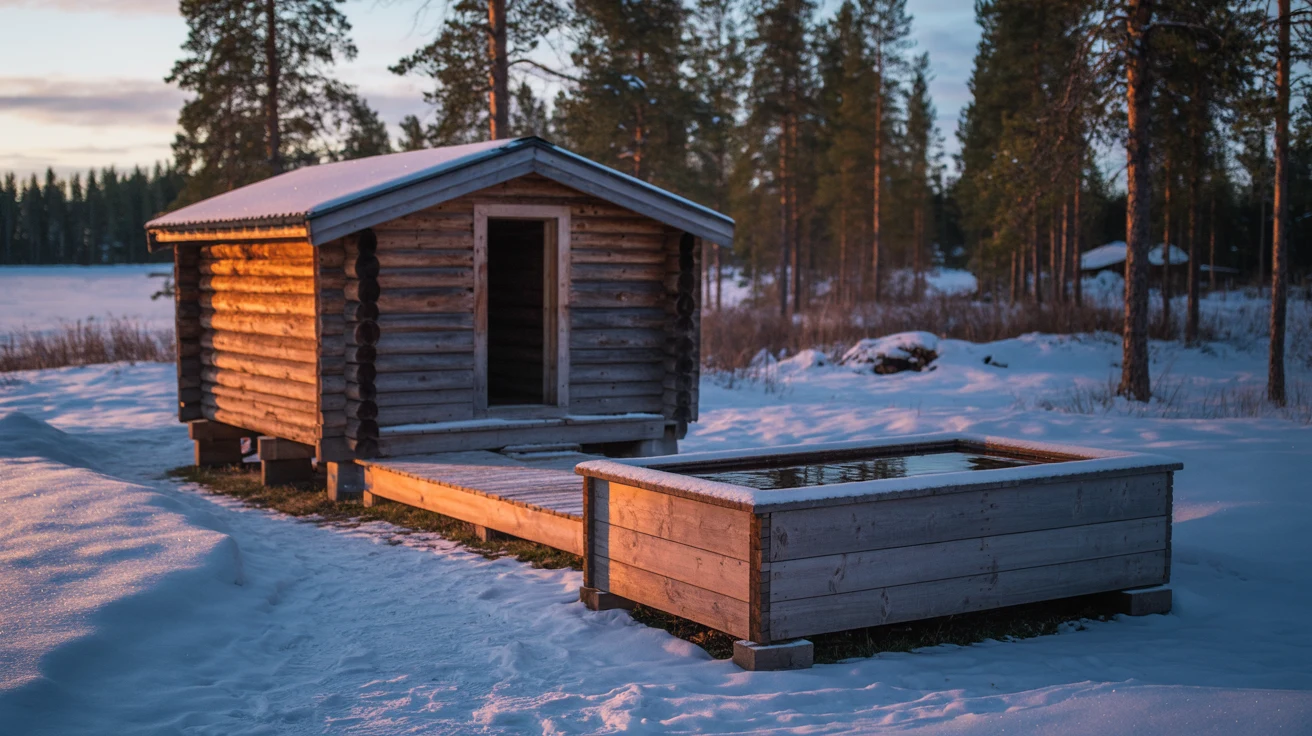
The routine above is the version that predates every wellness influencer: heat, cold, heat, cold, repeat. The cold can be a lake, the sea, a cold shower, a plunge tub, or in winter an ice hole cut into the frozen surface.
There is no app. There is no target heart rate. The signal to switch is your body telling you it’s had enough: too hot, get out; too cold, get out. This intuition is the original protocol, and it works.
Cold plunge temperature and duration
The useful range for cold immersion sits between 2°C and 15°C (35°F and 59°F). Colder is not automatically better: it’s just colder, and the discomfort climbs faster than any added benefit. Start at the warmer end of the range and work down as you adapt. The serious end is what a winter cold plunge in a Finnish lake feels like, and you adapt to it over time rather than starting there.
Duration is short. One to three minutes is typical, and the lower end is plenty for most. The goal isn’t endurance: staying in cold water for ten minutes to prove something is how people get into trouble. You want the vascular response, not a hypothermia experiment.
| Variable | Typical range | Notes |
|---|---|---|
| Cold plunge temperature | 2-15°C (35-59°F) | Start at the warmer end; colder is harsher, not better |
| Cold plunge duration | 1-3 minutes | Lower end is fine; longer isn’t more virtuous |
| Sauna duration per round | Until thoroughly warm | Get properly hot before the cold; don’t rush it |
| Number of rounds | Two or three | A typical Finnish evening; more rounds should be shorter, and stop when the heat stops feeling good |
How long in the sauna before you plunge
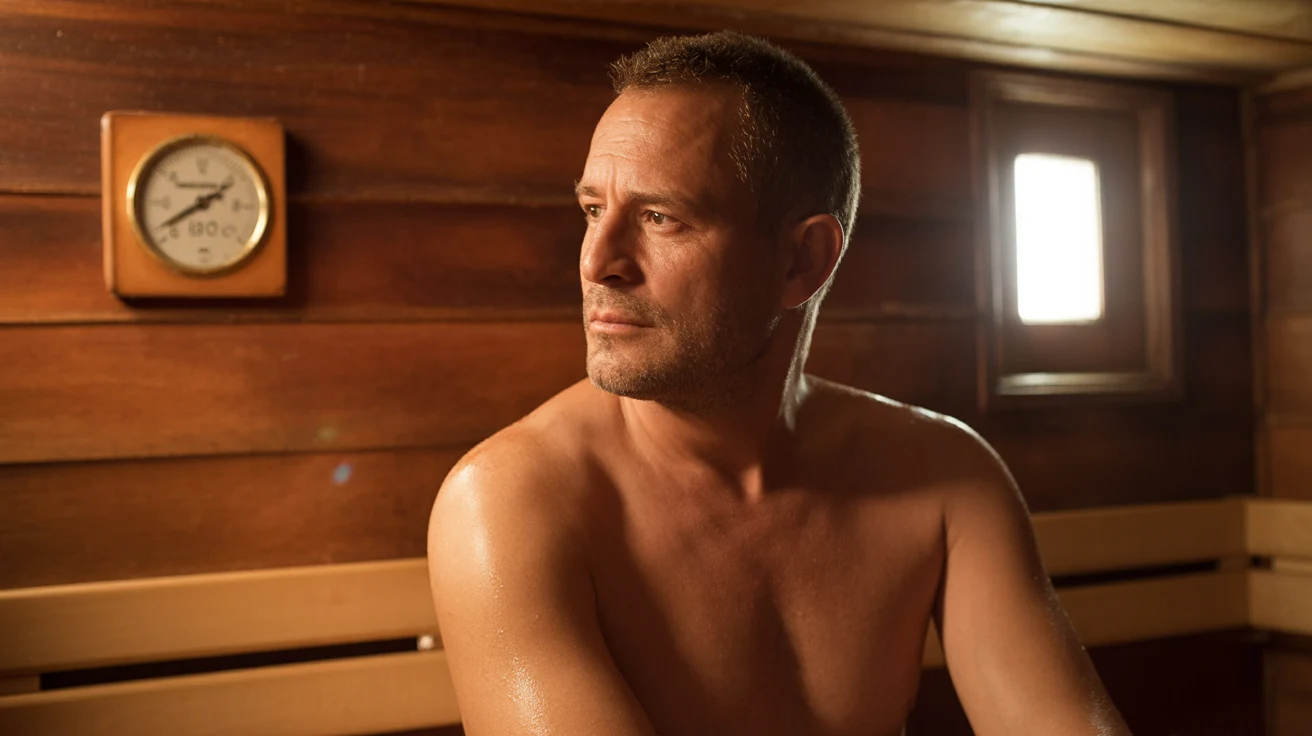
Get hot first. The contrast only works if there’s a real temperature gap to swing between, so a meaningful sauna round at a normal Finnish sauna temperature of 70-90°C (158-194°F), about 80°C typical, is the setup. Stepping into cold water before you’ve actually warmed through gives you the shock without the circulatory swing that makes the practice worthwhile.
You don’t need to push to your absolute limit. Hot and sweating, with your heart rate up and your skin flushed, is the signal. Then go cold.
What the research actually shows
Honest answer: the evidence is mixed but trending positive, and most of it studies sauna or cold exposure separately rather than the two combined.
On the heat side, a 2015 prospective cohort published in JAMA Internal Medicine by Laukkanen and colleagues followed 2,315 Finnish men for a median of about 20 years. Sauna four to seven times a week, compared with once, was associated with 50% lower fatal cardiovascular disease and 40% lower all-cause mortality. That’s an association, not proof of cause, and it’s observational sauna-alone data: it says nothing about adding a cold plunge.
On the cold side, a 2016 randomized controlled trial by Buijze and colleagues in PLoS One tested routine hot-to-cold showering and its effect on sickness absence and self-reported wellbeing. It studied cold showers, not sauna-and-plunge contrast specifically, so read it as suggestive rather than direct support for any protocol.
The fair summary: regular sauna use shows promising associations with cardiovascular health, cold immersion has some randomized evidence behind it, and the specific combination is under-studied. People who tell you the exact sauna-plunge sequence is scientifically optimized are getting ahead of the data. What you can say honestly is that it feels good, the circulatory mechanism is real, and the separate ingredients each have research behind them.
Safety considerations
The hot-to-cold swing puts genuine load on your cardiovascular system. Heart rate spikes and blood pressure shifts are the whole point, which is exactly why people with heart conditions need to be careful. If you have cardiovascular disease, uncontrolled high blood pressure or a heart rhythm condition, talk to your doctor before doing contrast therapy. The mortality association in the Laukkanen cohort describes healthy sauna-goers, not a treatment recommendation for cardiac patients.
Never plunge into deep cold water alone if you’re new to it. The cold shock response can cause an involuntary gasp and rapid uncontrolled breathing on sudden immersion, a documented physiological reaction described in Tipton and colleagues’ 2017 review “Cold water immersion: kill or cure?” in Experimental Physiology, and a gasp underwater is how cold water turns dangerous. Don’t combine this with alcohol; it impairs your judgment about when to get out and disrupts the blood pressure response. Skip the cold plunge entirely during pregnancy without medical clearance, and get out of the cold the moment you stop feeling cold and start feeling numb or disoriented.
Used sensibly, contrast therapy is something Finns of all ages do routinely, the same people who use the sauna for recovery after a day’s work. The danger comes from pushing past your body’s signals, not from the practice itself.
FAQ
How long should you cold plunge after sauna?
One to three minutes is typical, and the lower end is plenty for most people. The goal is the circulatory response, not endurance: there’s no added benefit to staying in cold water until you’re numb, and several real risks to doing so.
What’s the best contrast therapy protocol?
The traditional Finnish approach: stay in the sauna until you’re properly hot, then 1-3 minutes in cold water at 2-15°C (35-59°F), repeated for a few rounds. End on hot for relaxation or cold for alertness. It works as well as any heavily optimized version and is far easier to stick with.
Should cold come before or after sauna?
After. You need to get genuinely hot first so there’s a real temperature gap for your circulation to swing across. Going cold before you’ve warmed up gives you the shock without the contrast effect that makes the practice worthwhile. Most people then alternate hot and cold for the remaining rounds.
How cold should the water be for contrast therapy?
Between 2°C and 15°C (35°F and 59°F). Start at the warmer end and work down as you adapt; the colder end is what a winter lake or ice hole feels like, and it’s something you adapt to over time rather than starting at.
Is sauna and cold plunge safe for everyone?
No. The hot-to-cold swing puts real load on the heart, so anyone with cardiovascular disease, uncontrolled high blood pressure, or a heart rhythm condition should consult a doctor first. Don’t plunge alone if you’re inexperienced, never combine it with alcohol, and avoid it during pregnancy without medical clearance.