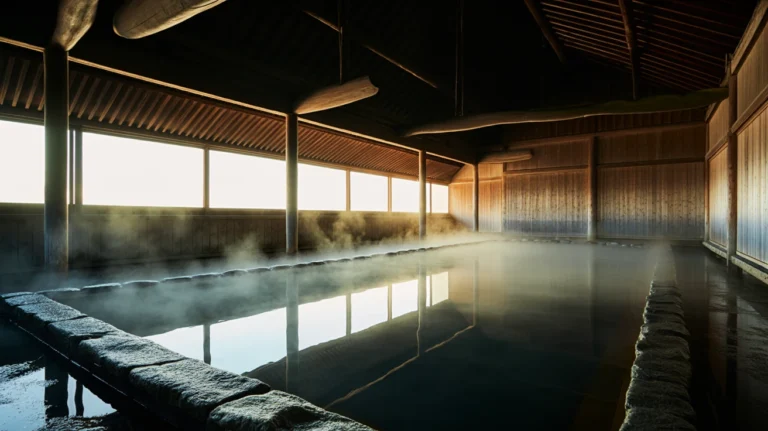
Best Sauna and Onsen Experiences in Japan
Japan has more than 10,000 saunas and around 17.8 million people who call themselves saunners. The market was worth USD 1.48 billion in 2023 and is projected to hit USD 8.52 billion by 2030 – roughly 24% annual growth. No other country is building sauna culture this fast right now, and it isn’t a copy of the Finnish one. It’s a Japanese thing that borrowed Finnish equipment.
The confusing part for visitors is that Japan has three overlapping bathing worlds: hot spring resorts, neighborhood bathhouses, and a new generation of dedicated sauna facilities. They have different prices, different rules, and very different tattoo policies. Here’s how to navigate all three.
The sauna boom, and why it happened
This is Japan’s third sauna boom. The first came with the 1964 Tokyo Olympics, when Finnish athletes brought sauna equipment to the Olympic Village and the country got its first look at the real thing. The current wave is credited to a 2019 TV drama, Sado (“The Way of the Sauna”), adapted from Katsuki Tanaka’s manga, which popularized a single word: totonou.
Totonou describes the state of deep mental and physical settling you reach after the full cycle – hot room, cold water, then sitting outside doing nothing. Finns have the experience without a specific noun for it. Japan named it, put it on television, and the numbers followed. A 2024 survey by the Japan Sauna Institute found enthusiast numbers grew by another million in a single year.
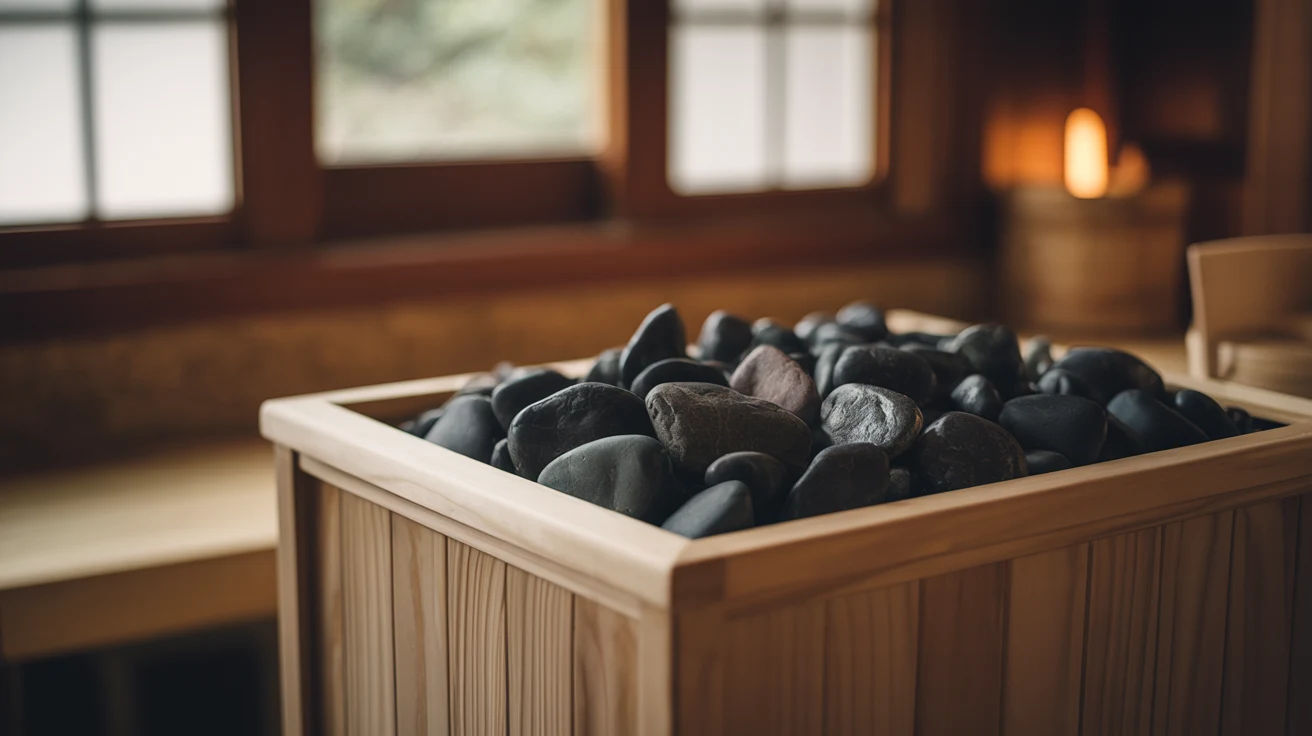
What makes the Japanese scene interesting is the blend. German Aufguss ceremonies – towel-waving steam performances with named practitioners – have been absorbed into premium Tokyo facilities and reworked into something more choreographed. Löyly (the burst of steam when water hits the hot stones) shows up as an automated, scheduled event with lighting and music. Finnish purists find this appalling. Everyone else finds it fun.
Sauna Shikiji: the pilgrimage site
Sauna Shikiji is the most revered sauna in Japan, treated as a seichi – a holy site – by serious enthusiasts nationwide. It is not in Tokyo. It’s in Suruga Ward, Shizuoka City, about an hour from Tokyo by Shinkansen, and people make the trip specifically for it.
The reason is the water. The cold plunge runs on natural underground water from the Abe River system, extraordinarily soft, and that single feature built the reputation. The Finnish sauna runs 100–110°C (212–230°F) of hard dry heat. There’s also a steam herbal sauna at around 60°C (140°F) using a blend of 15–20 Korean-imported herbs. Facilities are fully gender-separated: separate baths, separate rest areas, separate dining.
Prices on this page are quoted in yen, because that is what you will see at the door, with a US dollar figure beside each one. Those are converted at about ¥158 to the dollar (September 2026) and rounded, and the rate moves, so treat the dollar figures as a sense of scale rather than a number to budget to the cent.
| Entry | Price |
|---|---|
| Men, weekday | ¥1,500 ($9) |
| Men, weekend/holiday | ¥1,700 ($11) |
| Women, all days | ¥1,000 ($6) |
| Men, time service (06:00–09:00 / 17:00–26:00) | ¥1,000 ($6) |
Prices verified as of December 2024 via Shizuoka Prefecture’s official gastronomy tourism site. You’ll see higher figures quoted in older English guides, but ¥1,500 ($9) is the number. It’s open 24 hours, which is how the pilgrimage works: last train in, sauna until morning.
Tokyo’s dedicated sauna facilities
Tokyo proper has the density. Two facilities anchor the modern scene.
Sauna Tokyo in Akasaka opened in April 2023, a minute’s walk from Akasaka Station on the Chiyoda Line. It’s men only, open 24 hours except a 03:00–05:00 cleaning window, and built explicitly around a “waryu” (Japanese style) concept by architect Kentaro Imai. Four themed saunas plus a steam room; the largest seats around 40 people and runs automated steam shows with lighting and music. Three cold baths, one of them below 10°C (50°F). A 5.4-meter high-concentration carbonic acid spring on the ground floor. The rest area seats 60-plus. A 120-minute ticket was ¥2,600 ($16) as of a June 2024 visit, towels and toiletries included, paid via wristband at exit – Suica works.
Shibuya Saunas splits into two linked facilities, WOODS and LAMPI, which alternate between men and women on alternate days so everyone eventually gets both. The rooms include a birch-scented sauna with bird sounds, a high-intensity auto-löyly room, and a large sauna with a rotating daily essential oil and a garden window. Multiple cold plunges, outdoor garden rest area, toiletries provided. It sits in the premium tier; exact yen pricing isn’t publicly listed, so check the official site before you go.
Traditional onsen: Hakone, Beppu, Kusatsu
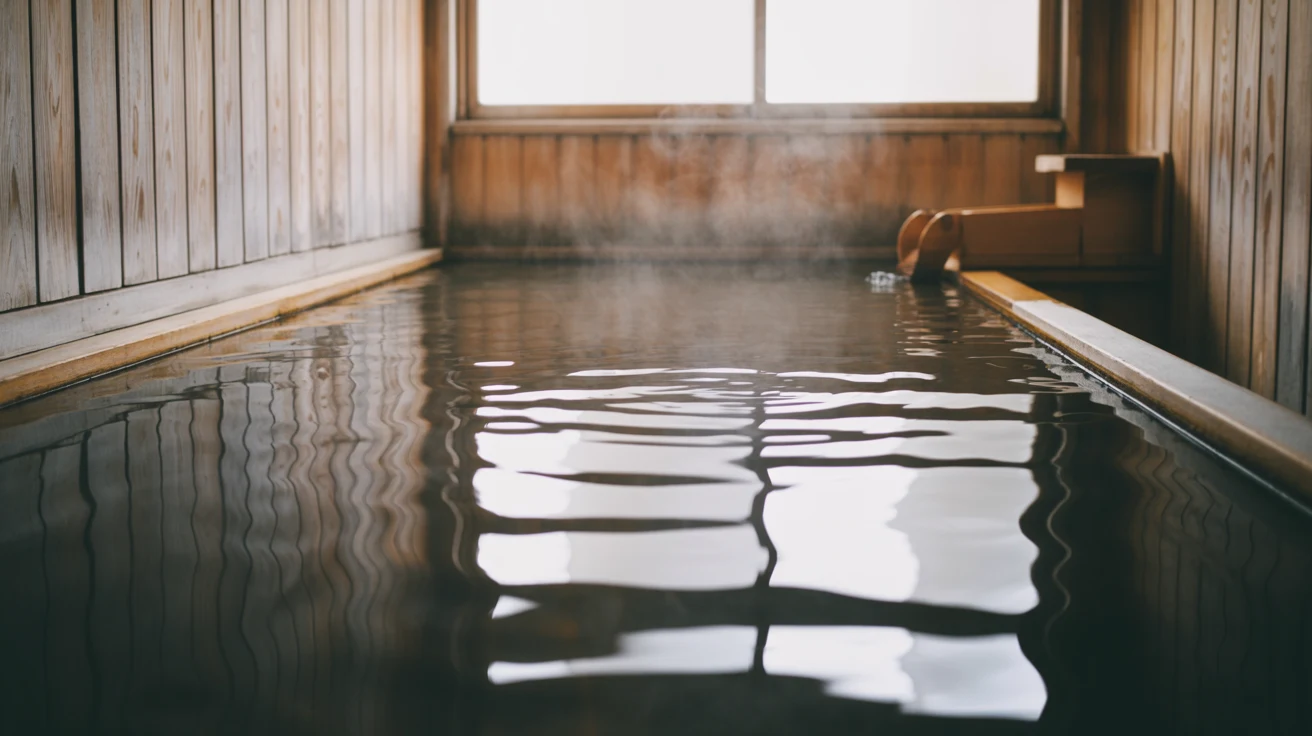
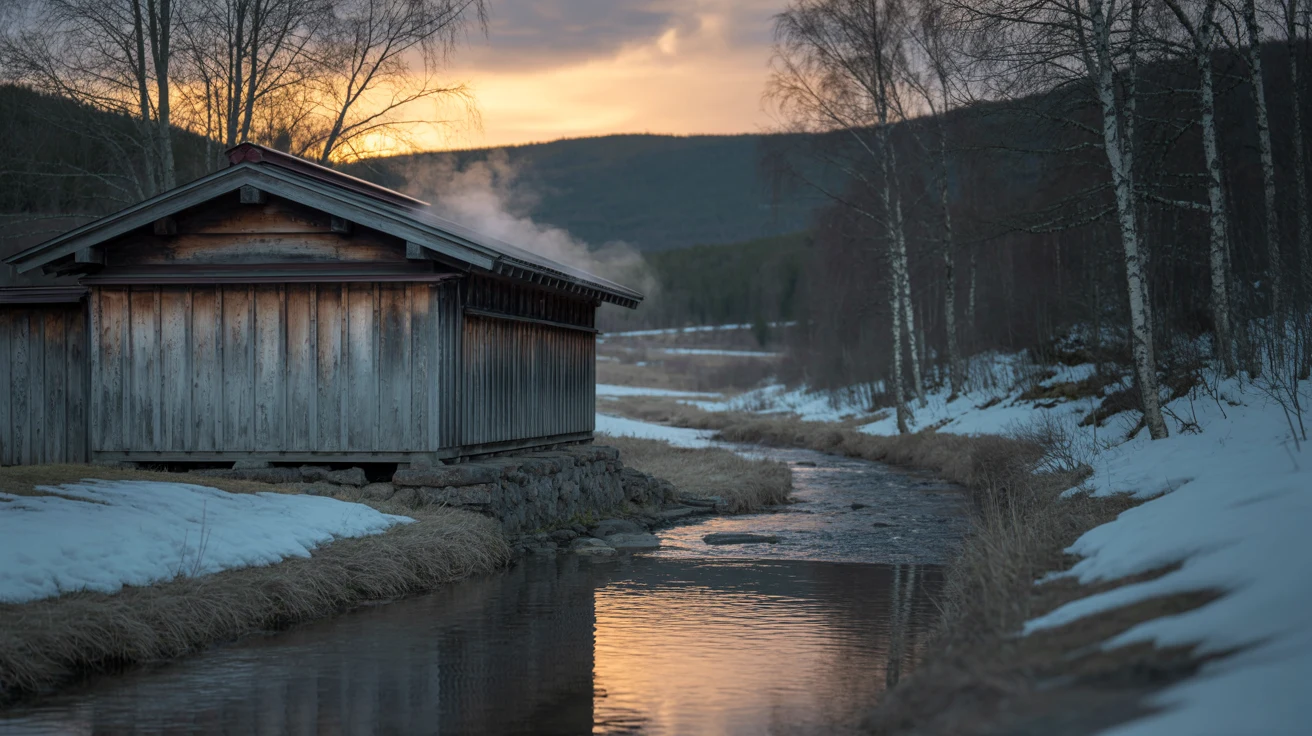
An onsen is a bath fed by natural hot spring water – legally defined under Japan’s 1948 Hot Springs Act as water that’s at least 25°C at source or contains specified minerals. That’s the line separating it from every other kind of bath in the country. If you want the full picture of how hot spring bathing and sauna culture differ in practice, that’s a comparison worth reading before you go.
| Destination | Getting there from | Character | Typical bath fee |
|---|---|---|---|
| Hakone (Kanagawa) | Tokyo, ~85 min by Odakyu Romancecar | Ryokan country, Mt Fuji and Lake Ashi views, sodium and calcium chloride springs | Day-use plans widely available, including private rooms |
| Beppu (Oita, Kyushu) | Fukuoka/Hakata, ~2h15 by JR Sonic, ~¥6,470 ($41) | Highest hot spring output in Japan; steam rising off streets and rooftops; eight distinct districts | ¥150–¥1,160 ($1–7) public baths; ¥1,900–¥2,300 ($12–14) resort facilities |
| Kusatsu (Gunma) | Tokyo, ~3h by bus or via Naganohara-Kusatsuguchi | 1,200m elevation, highly acidic sulfurous water, Japan’s largest natural flow | ¥800–¥1,100 ($5–7) at the main baths, plus free community baths |
Beppu’s eight districts – Beppu, Kannawa, Myoban, Kankaiji, Hamawaki, Kamegawa, Horita, Shibaseki – are worth treating as separate destinations rather than one city. The Hell Circuit (Jigoku Meguri) is a seven-site combo ticket at around ¥2,000 ($13) for viewing geothermal formations, not bathing in them. The genuinely unusual experience is the sand bath at Beppu Kaihin Sunayu, where you’re buried in geothermally heated sand; it needs a rental yukata at around ¥840 ($5). Takegawara Onsen’s sand bath runs ¥303 ($2). At the other end, Hyotan Onsen in Kannawa holds three Michelin stars for a day-use bathhouse and charges ¥1,160 ($7). Late March to May and October to early December are the good windows.
Kusatsu’s water was historically said to cure every illness except lovesickness, which tells you something about both the water and the marketing. Sainokawara Rotenburo is one of Japan’s largest outdoor public baths, seating over 100 bathers, ¥800 ($5), open 7:00–20:00 (from 9:00 December to March). Otakinoyu has the Awaseyu system – a row of wooden tubs at stepped temperatures from 38–46°C (100–115°F) – for ¥1,100 ($7). Gozanoyu, the wooden bathhouse beside the Yubatake, is ¥800 ($5) for the bath or ¥2,000 ($13) an hour for a private tatami room. Three small community baths – Shirohatanoyu, Jizonoyu, Chiyonoyu – are free, seat two to four people, and run very hot.
The Yubatake itself, the grid of wooden channels where spring water cools in the town center, is free to look at around the clock. Daily yumomi performances at Netsunoyu show the traditional paddle-cooling method, complete with singing. It’s a ticketed show about cooling water down. It is also completely charming.
Ryokan with onsen: the Hakone case
A ryokan is a traditional inn: tatami rooms, futon bedding, a multi-course kaiseki dinner, yukata to wear around the building, and access to hot spring baths. Meals are usually included in the rate, which is why the headline prices look high compared to a hotel room. The top of the experience is a room with its own open-air bath plus access to the communal ones.
Hakone is the strongest first-time choice from Tokyo. Ninety minutes on the Romancecar and you’re in a completely different register: dinner served in your room, an outdoor soak with mountain views, staff laying out your futon while you eat, a Japanese breakfast in the morning. One night works; two lets you actually stop moving.
| Tier | Price per night (2 people, meals included) | What you get |
|---|---|---|
| Entry | ~¥20,000–¥40,000 ($125–250) | Communal onsen baths, meals included |
| Mid-range | ¥40,000–¥80,000 ($250–505) | Private in-room bath or bookable private bath access |
| Splurge | ¥100,000+ ($630+) | Premium properties at the Gora Kadan level |
Concrete anchors from aggregated booking data: Hakone Ashinoko Hanaori runs ¥41,800–¥79,800 ($265–505) for two nights for two – lakeside, Western beds, buffet dining, selected rooms with open-air baths and 40-minute private half-open-air bath slots. Hakone Kowakien Tenyu runs ¥47,500–¥85,500 ($300–540) for two nights, with a private open-air bath in every room and large hillside public baths. Gora Kadan, on the grounds of a former Imperial villa, runs ¥152,000–¥285,000 ($960–1,800) for two nights. The average two-night Hakone stay for two, room plus two dinners and two breakfasts each, comes to roughly ¥147,100 ($925).
The Hakone Freepass covers most local transport in the area and is worth buying on arrival. Hakone-Yumoto has the easiest transport links, Gora sits central to the cable car and ropeway, and Motohakone by Lake Ashi has the postcard views.
Sento: Tokyo’s neighborhood bathhouses
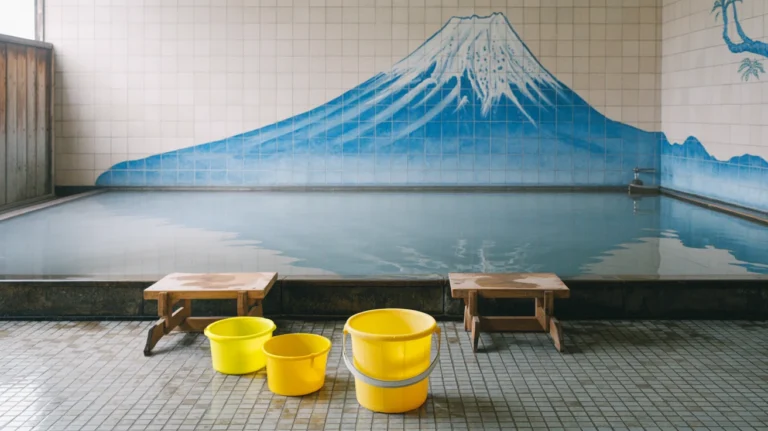
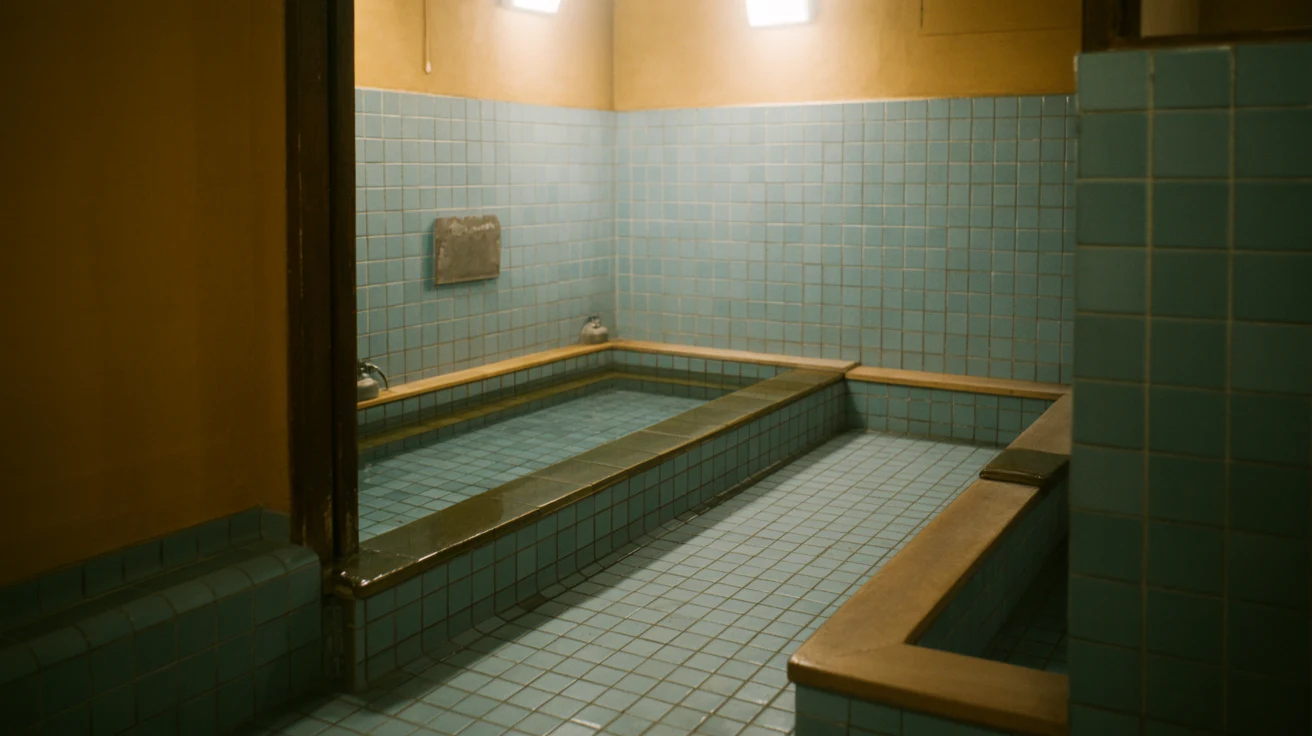
A sento is a public bathhouse heated with ordinary tap water, not spring water. That’s the whole distinction, and it’s why sento are cheap and everywhere while onsen are geological accidents. They exist because most older Tokyo housing had no bath; they survive because they’re good, cheap, and social. Some sit on real hot spring sources, confusingly called onsen sento. Super sento are large modern spa complexes with food courts and lounges. For the legal price cap, the layout inside and the etiquette, see how a sento works.
| Ticket | Tokyo price |
|---|---|
| Adult (12+) | ¥600 (about $4) |
| Child (6–11) | ¥200 ($1) |
| Under 6 | ¥100 (under $1) |
| Sauna access | Small surcharge, varies by facility |
| Super sento | Typically ¥1,000+ ($6+), no price cap |
The ¥600 (about $4) adult rate is a regulated flat price across Tokyo, in force since 1 August 2026, set by the Tokyo Sento Association. It has climbed year after year, from ¥480 in 2021 through ¥500, ¥520 and ¥550, driven by fuel costs. Other prefectures sit roughly in the ¥490–¥550 ($3) band. Hundreds of sento are still operating in Tokyo.
The “Foreign Visitors WELCOME! SENTO” campaign runs at 63 participating Tokyo bathhouses, marked by a noren curtain with the campaign logo, offering multilingual support and cashless payment. Tokyo Tourist Information Centers issue a coupon that drops entry to ¥300 ($2). For ¥300 ($2) you get a bath, a piece of ordinary Tokyo life, and change from a coin.
Tattoos: the real situation
Roughly half of Japanese bathhouses still refuse tattooed guests. That’s the honest headline, and no amount of optimistic travel blogging changes it. The ban comes from the postwar association between full-body irezumi and yakuza membership; facilities banned tattoos to exclude gangs and signal safety to everyone else. Among Japanese under 40 that association has largely dissolved, but institutional policy moves slower than opinion, especially at rural onsen.
The baseline is a 2015 Japan Tourism Agency survey of 3,768 facilities with 581 responses: 56% refused tattooed guests, 31% allowed them without conditions, 13% allowed them with cover stickers. As of 2025 the working estimate – drawn from facility directories, not a new government survey, so treat it as an estimate – is roughly 20% unconditional acceptance, 30% cover-sticker acceptance, and 50% still prohibiting.
Two things have shifted. The Japan Tourism Agency issued non-binding 2024 guidance recommending facilities either lift bans or provide alternatives – private baths, cover stickers, multilingual signage – and asked operators to tolerate small tattoos of 10cm or less. Separately, Hoshino Resorts dropped tattoo-only restrictions at group level in 2024, covering around 24 KAI-brand properties including KAI Hakone, though large traditional irezumi may still be flagged at staff discretion.
| Option | How it works |
|---|---|
| Kashikiriburo (private bath) | Bookable by the hour, standard at most mid-range and higher ryokan; no communal exposure |
| In-room bath at a ryokan | Your own bath, nobody else’s opinion involved |
| Cover-up tape | Waterproof skin-tone patches; accepted at some facilities for small tattoos |
| Tattoo-friendly directories | Search “タトゥーOK”; tattoofriendlyonsen.com lists 19 verified venues in Tokyo prefecture alone |
| Tokyo sauna facilities | Generally the most tolerant tier – Shibuya Saunas allows tattoos; Sauna Tokyo allows them with an extra fee |
| Sento | Far more lenient than onsen resorts as a category, but facility-by-facility |
Kinosaki Onsen is frequently cited as a town-wide leader in tattoo-friendly reform. Wherever you go, call or email ahead. English-language guides go stale fast, and “kashikiri OK” is the phrase that solves most problems.
Etiquette you actually need
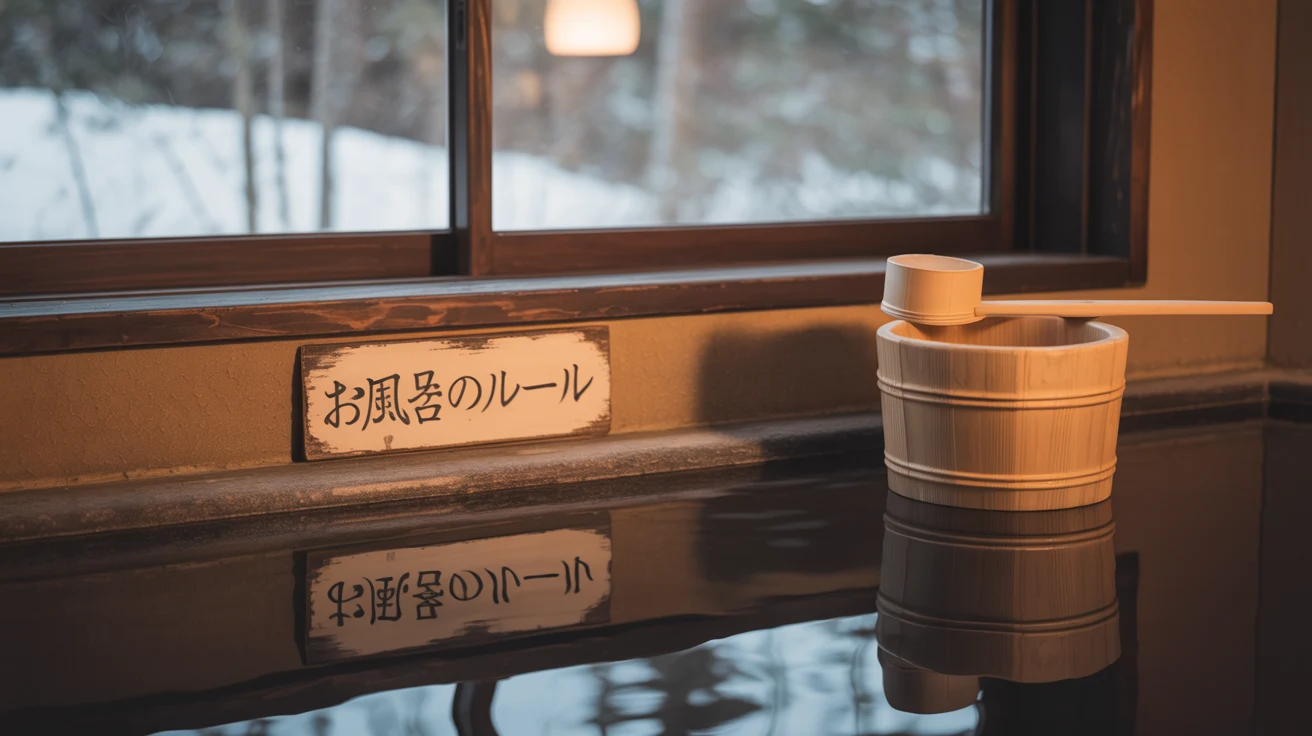
Japanese bathing rules are stricter than Finnish ones and enforced by silent consensus rather than signage. The official Japan Travel onsen guide covers the basics; these are the ones that matter most for visitors.
- Wash completely before entering any bath. Sit at an individual station with a stool, bucket, and handheld shower. Soap and shampoo are provided. This is not a rinse – it’s a full wash, and skipping it is the one offense people genuinely react to.
- No swimwear. Traditional onsen and sento are fully nude. Swimwear is considered unhygienic. The exception is modern onsen theme parks like Yunessun in Hakone, which have swimwear zones.
- The small towel never touches the water. Fold it on your head or leave it on the bath edge.
- Tie long hair up. Hair out of the water, always.
- No phones or cameras anywhere in the bathing or changing areas. There is no Wi-Fi consideration here, no discreet exception, no “just one photo of the empty bath.” Taking pictures is a privacy violation and gets you removed.
- Rinse again between baths if you’ve been out cooling down.
- Towel off before the rest area so the benches stay dry, and wipe your sweat off the sauna bench before you leave the room.
- Rinse your washing station and put the stool and bucket back.
- Keep your voice down. These are quiet rooms.
- Never bathe after drinking. Hot water and alcohol is a genuine health risk, not a rule about manners.
Temperature is worth calibrating in advance: 38–40°C (100–104°F) is lukewarm and good for beginners, 40–42°C (104–108°F) is the standard range you’ll meet most often, 42–44°C (108–111°F) is for experienced bathers, and above 44°C is short dips only. Get out immediately if you feel dizzy. Compared with the Finnish approach documented by the Finnish Sauna Society, the Japanese version front-loads far more ritual before you ever get in the water.
Konyoku – mixed-gender bathing – still exists at some traditional onsen but is increasingly rare. Where it survives, women typically wear a thin cotton cloth and men bathe nude. Eyes forward.
Which trip should you take?
| If you want | Go | Budget |
|---|---|---|
| The single best cold plunge in Japan | Sauna Shikiji, Shizuoka | ¥1,000–¥1,700 ($6–11) entry |
| Modern Tokyo sauna culture, tattoos included | Shibuya Saunas or Sauna Tokyo (men only) | ¥2,600 ($16) for 120 min at Sauna Tokyo |
| The full traditional overnight | Hakone ryokan | ¥20,000–¥40,000 ($125–250)/night for 2 at entry level |
| Hot spring variety and volume | Beppu, Kyushu | ¥150–¥1,160 ($1–7) per bath |
| Historic onsen town atmosphere | Kusatsu, Gunma | ¥800–¥1,100 ($5–7) per bath |
| Everyday Tokyo, cheapest possible | Any campaign sento | ¥600 (about $4), or ¥300 ($2) with the tourist coupon |
For a first trip, the sequence that works is Tokyo sento and a dedicated sauna facility for two or three days, then a night or two in Hakone. That gives you the modern scene and the traditional one without a long domestic transfer. If you’re building a wider itinerary, Japan slots naturally into a route through the region’s other bathing cultures, and it holds up against any of the major global sauna destinations.
Common questions
What is the best sauna in Japan?
Sauna Shikiji in Shizuoka City is widely regarded as the country’s top sauna and treated as a pilgrimage site by Japanese enthusiasts. Its reputation rests on the cold plunge, which uses ultra-soft natural underground water from the Abe River system. Entry is ¥1,500 ($9) for men on weekdays and ¥1,000 ($6) for women, and it’s open 24 hours.
Are saunas in Japan tattoo-friendly?
Modern dedicated sauna facilities in Tokyo are far more tolerant than traditional hot spring resorts. Shibuya Saunas allows tattoos, and Sauna Tokyo allows them for an extra fee. Across Japanese bathhouses generally, an estimated half still prohibit tattoos, so always confirm with the specific facility before traveling.
How much does a Japanese public bathhouse cost?
Entry to a public bathhouse in Tokyo is a regulated flat ¥600 (about $4) for adults aged 12 and up, ¥200 ($1) for children 6–11, and ¥100 (under $1) under 6. Sauna access usually carries a small surcharge on top. Tokyo Tourist Information Centers issue a visitor coupon that reduces entry to ¥300 ($2) at participating bathhouses.
How much is a night at a Hakone hot spring inn?
Entry-level traditional inns with communal hot spring baths run roughly ¥20,000–¥40,000 ($125–250) per night for two people with dinner and breakfast included. Mid-range properties with a private or in-room bath run ¥40,000–¥80,000 ($250–505), and premium properties exceed ¥100,000 ($630). The average two-night stay for two comes to about ¥147,100 ($925) total.
What is totonou?
Totonou is the Japanese term for the state of deep mental and physical settling reached after completing the sauna, cold plunge, and outdoor rest cycle. It became the central concept of Japan’s current sauna boom after a 2019 TV drama popularized it. The rest phase, sitting in outside air for 5–10 minutes, is where it’s understood to happen.
Do I need to be naked in a Japanese bath?
Yes, at traditional hot springs and public bathhouses. Swimwear is considered unhygienic and is not permitted in the water. The exceptions are modern bathing theme parks such as Yunessun in Hakone, which have designated swimwear-permitted zones.