Sento: Japan’s Neighborhood Bathhouse, Explained
A sento is the bath you walk to in sandals. It’s a neighborhood public bathhouse. Tiled washing stations, a couple of hot tubs, lockers, a mural, and in Tokyo it costs 600 yen ($4) for anyone aged 12 and over. It costs exactly that because the governor says so.
That price cap is the thing most guides skip, and it’s what makes a sento a sento. Legally it isn’t a spa, a wellness facility, or a hot spring. It’s a “general public bath” (ippan kōshū yokujō), a regulated utility for washing people, and the fee has been held down by prefectural order since long before anyone described bathing as a trend.
What legally counts as a sento
Under Japanese law, a general public bath is one whose admission fee is capped by the prefectural governor under a 1957 health ministry ordinance, and whose location is regulated by prefectural ordinance. Tokyo’s cap went to 600 yen ($4) for adults on 1 August 2026, up from 550, after an accounting survey of bathhouses and deliberation by the Tokyo Public Bath Countermeasures Council. Children aged 6–11 pay 200 yen ($1), under-6s 100 yen (under $1). Kyoto Prefecture set its adult cap at about 550 yen ($3) from 1 April 2025.
It’s a ceiling rather than a fixed price, so a bathhouse may charge less. In practice they charge the cap. There is a standing government body whose job is the price of a bath, which tells you how Japan classifies hot water: infrastructure, not luxury.
| Category | Legal status | Price |
|---|---|---|
| Sento | General public bath | Capped by the prefectural governor (Tokyo: 600 yen ($4) adult) |
| Super sento / health land | “Other public bath” | No cap. The operator sets it |
| Hotel, sports club and sauna facilities | “Other public bath” | No cap |
That second row matters when you’re reading listings. Super sento are large leisure complexes with restaurants, relaxation rooms and a dozen baths, and they’re not sento in the legal sense. Japan’s health ministry counted 2,730 general public baths against 20,938 “other” public baths at the end of FY2024, though that second figure sweeps in hotel baths, sauna facilities and sports-club showers, so it isn’t a count of super sento.
Sento versus onsen, briefly
The Hot Springs Act of 1948 defines an onsen as water emerging from underground that is either at least 25°C (77°F) at source or contains one of a listed set of minerals above a threshold concentration. Either condition alone is enough: cool water with the right chemistry qualifies, and so does plain hot water with none of it.
Most sento heat ordinary water in a boiler, which is the usual line drawn between the two. But it’s a line about water, not about law: Daikokuyu in Sumida is an association-listed sento that pumps natural hot-spring water and still charges the capped Tokyo fee. A bathhouse with “onsen” in its name may be a sento, and a sento may genuinely be an onsen.
From 1591 to the era of the home bathroom
The first recorded bathhouse in Edo opened in 1591, near the Zenigame Bridge, close to where the Bank of Japan stands today. Records from 1810 list 523 of them. Private baths were discouraged as a fire risk in a city built of wood, which pushed the whole population into shared water.
Edo bathhouses were mixed. The shogunate tried repeatedly to stop that and largely failed; what finally took was the Meiji government’s ban on mixed bathing in cities in February 1869, driven in part by a wish to look respectable to Western visitors. Even then, the Tokyo Sento Association notes it took until the middle of the Meiji period to actually end.
The real boom came after the war, for the plainest possible reason: homes had no bathrooms. In 1968, only 42.2% of Tokyo households had a bath of their own. By 2008 it was 97.6%. The sento’s customer base was plumbed out of existence one apartment at a time.
The decline, in official numbers
Tokyo’s 1968 figure was its postwar high. By the end of December 2025 the city was down to 417: 382 in the 23 wards and 35 in the outer cities, from 430 a year earlier. That’s roughly one bathhouse left for every six and a half that existed in 1968. Nationally, the health ministry’s series starts at 16,866 general public baths in 1977 and has fallen every year since, reaching 2,730 at the end of FY2024, a drop of 117, or 4.1%, in twelve months.
The counter-trend is in the same Tokyo dataset. Estimated daily bathers per sento fell to 120 around 2012–2014, then climbed steadily to 180 in 2025. Fewer bathhouses, each with more people in them. The city publishes the figure without explaining it, and it’s an estimate calculated from admission revenue, so treat the direction as solid and the cause as an open question.
What you actually see inside
Shoes come off at the entrance and go into a shoe locker; you take its key, often a wooden plate, with you. You pay at either a modern front desk or a bandai, a raised attendant’s booth positioned to overlook both changing rooms at once. Clothes go in a locker, and the locker key comes into the bath with you, usually on a wrist coil.
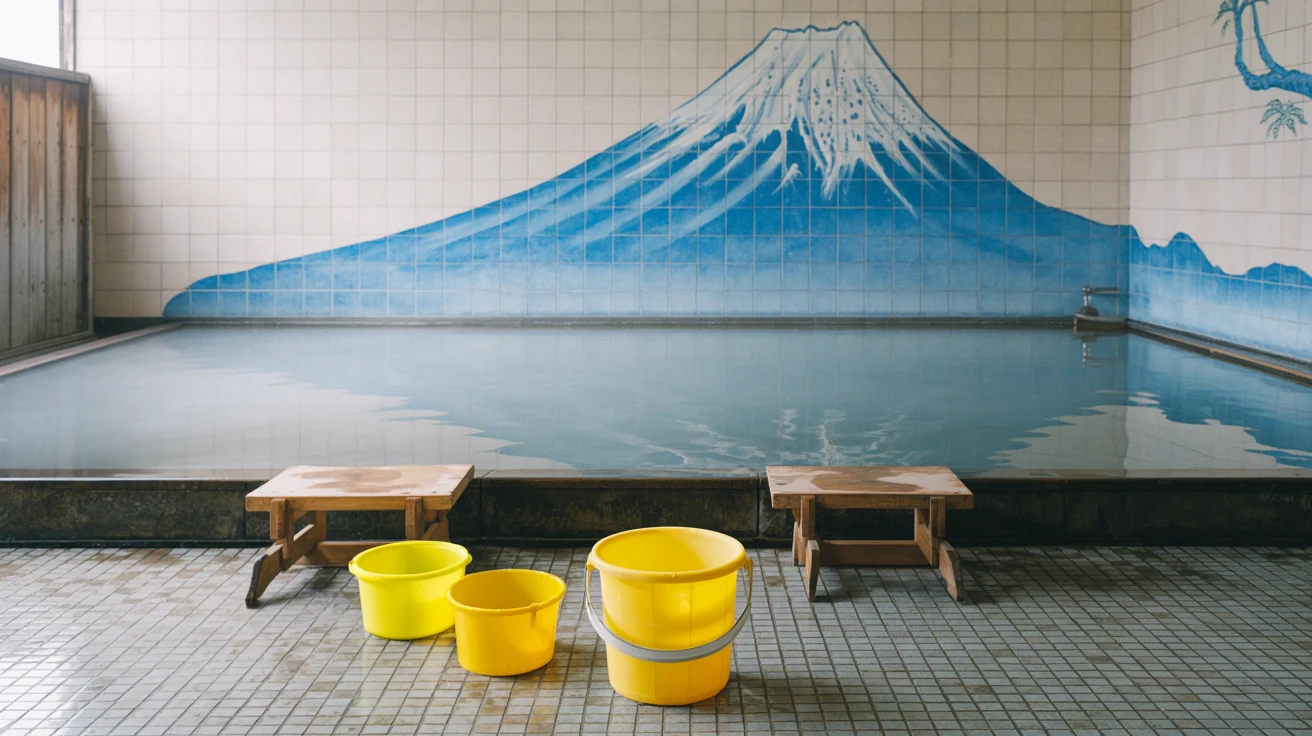
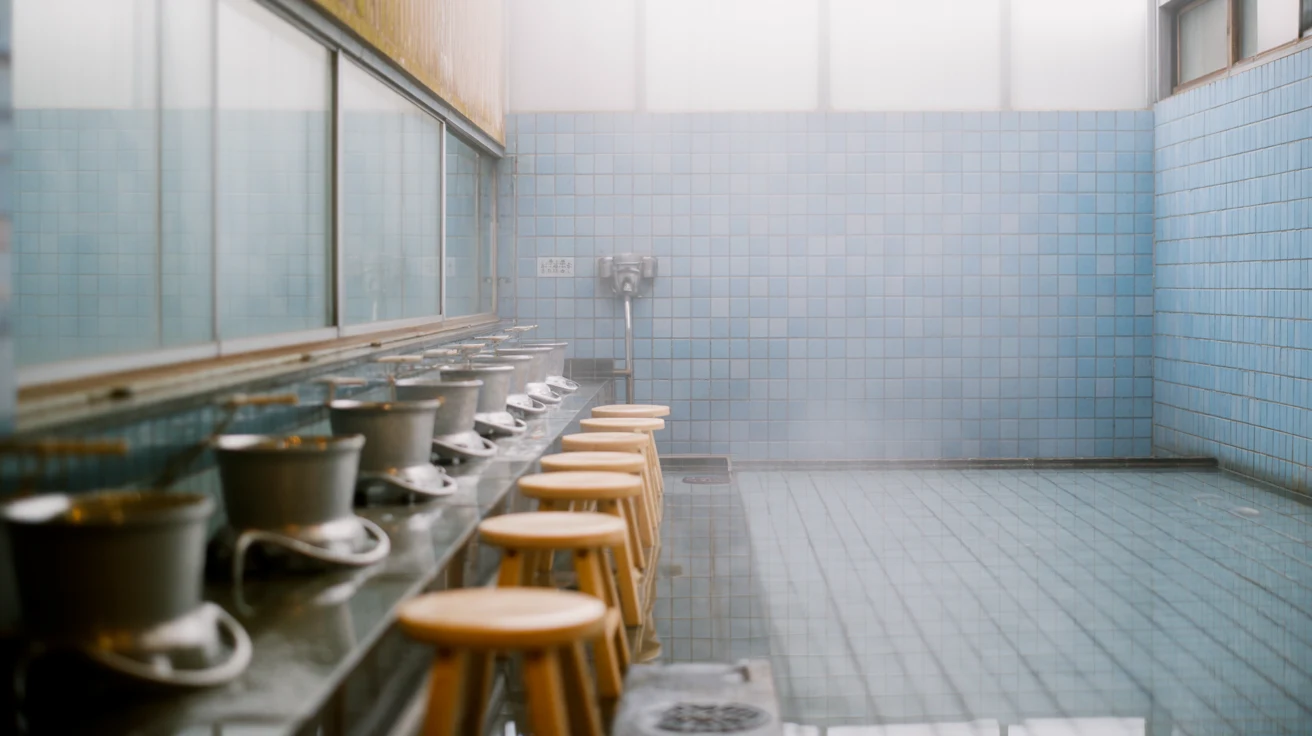
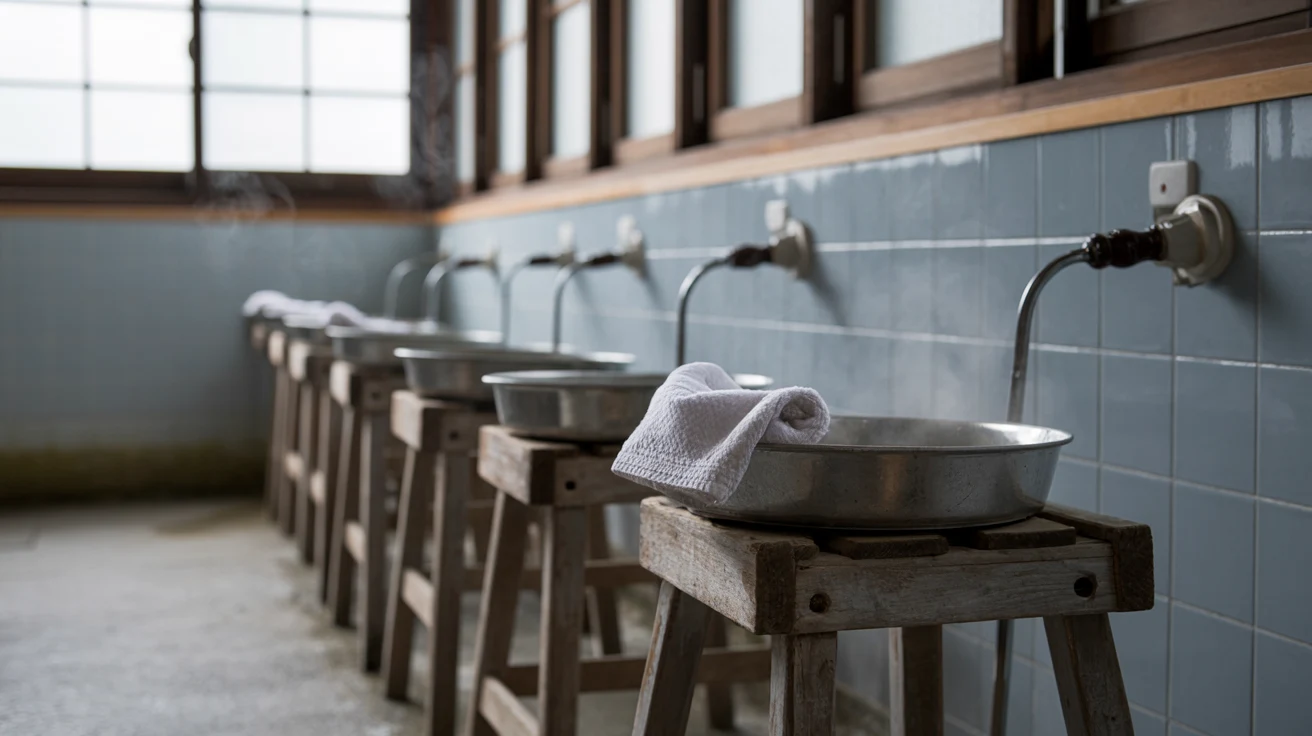
Inside the bath hall: rows of low washing stations with a stool, a bucket and a handheld shower; one or more hot tubs against the far wall; frequently an electric bath, a cold bath, and in Tokyo often a painted Mount Fuji looming over all of it. That mural tradition started in 1912 at Kikai-yu, a bathhouse in Kanda, when the owner commissioned the painter Kawagoe Kōshirō to fill the blank board wall. Kikai-yu closed in 1971 and a plaque marks the site. Only a handful of painters still do this work.
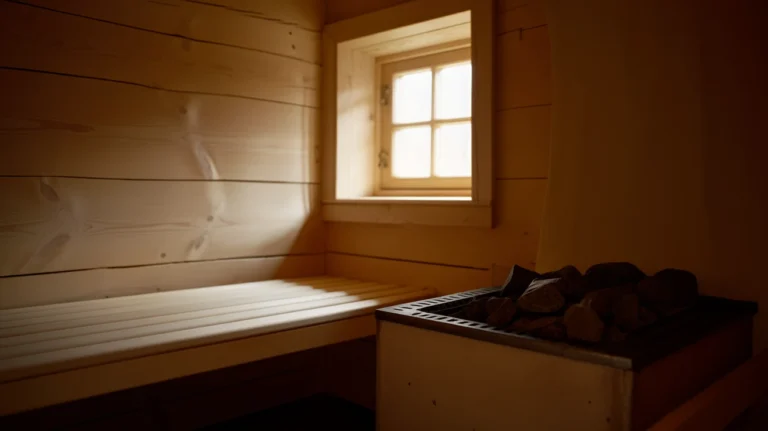
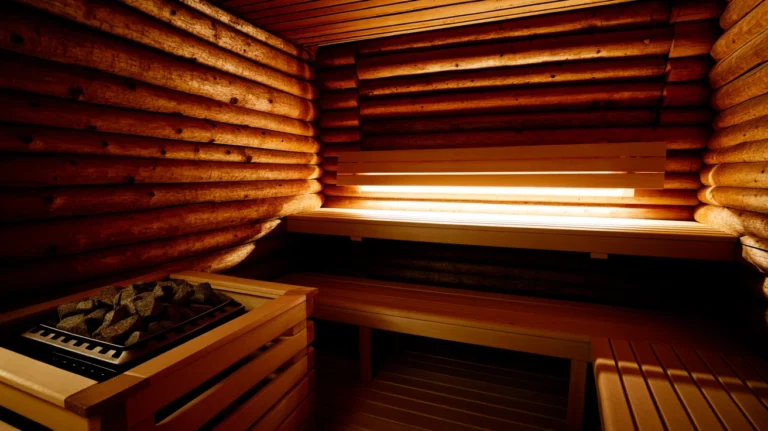
The sauna is usually an add-on, not part of admission. At Daikokuyu, for instance, the sauna beside the large outdoor bath costs 370 yen ($2) on weekdays and 400 at weekends, and the carbonated-bath-side sauna 300 or 330 yen ($2), all on top of the entrance fee. Towels, soap and shampoo are sold at the counter at most sento; some hand them out free.
The etiquette, which is shorter than you think
The Tokyo Sento Association’s own rules come down to five things. Rinse and wash yourself, seated at a washing station, before you get into shared water. Keep your small towel out of the tub. Tie long hair up so it stays out of the water too. No swimsuits and no underwear: bathing is nude, and that isn’t negotiable. Don’t splash, and don’t hold a loud conversation.
Yes, you will be naked. So will everyone else. Nobody is looking at you; they came to get warm and go home. Tokyo’s rules also bar children from around age seven upward from bathing on the opposite sex’s side, so families with older kids split at the entrance.
Tattoos: the best odds you’ll get
Japan’s national tourism organization states that tattoos are typically accepted in public baths and recommends sento as the workaround when an onsen turns you away, while advising you to double-check first. “Generally” is the correct word here. There’s no association-wide policy, and each bathhouse sets its own rule.
The much-quoted “56% of facilities refuse tattoos” figure needs care. It comes from a June 2015 Japan Tourism Agency survey of 3,768 hotels, ryokan and similar lodgings, of which 581 replied: a 15% self-selected response, eleven years old, and about accommodation rather than neighborhood bathhouses. Of those respondents, 56% refused tattooed guests, 31% didn’t, and 13% allowed them under conditions such as covering the tattoo with a patch.
In March 2016 the same agency told the main hotel, ryokan and spa industry bodies that refusing someone a bath solely because they have a tattoo is “not appropriate,” and noted that a tattoo creates no hygiene problem. That’s guidance, not a prohibition on refusals; facilities still decide. Super sento, sitting outside the regulated category, are the ones most likely to say no.
Two worth going out of your way for
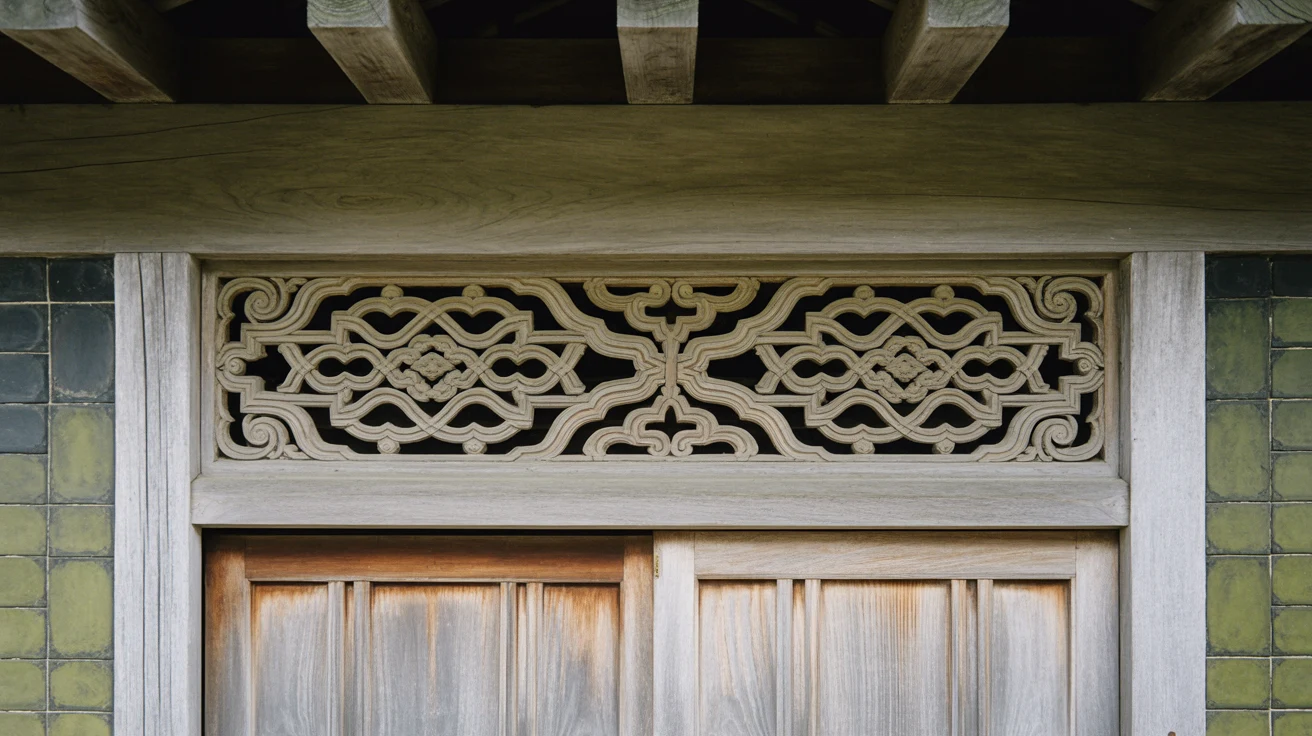
Funaoka Onsen in Kyoto’s Kita ward is a sento despite the name. It began as the bath of the Funaokarō restaurant-inn in the Taishō era, and its changing room has been a nationally Registered Tangible Cultural Property since 1 July 2003: a two-storey wooden building with the entrance and attendant’s booth at the front, carved transoms, and a decorated ceiling. It has a sauna, a cold bath, an outdoor bath and an electric bath, and it’s closed on Tuesdays.
Daikokuyu in Sumida, about ten minutes on foot from Tokyo Skytree, is the counter-example on water: natural hot spring, a daily medicinal bath, a large outdoor bath, a steam salt sauna, a far-infrared sauna and a high-concentration carbonated bath. It runs from mid-afternoon straight through to 10:00 the next morning, and also closes Tuesdays. For a wider shortlist, see the best saunas and onsen in Japan. Hours and closing days move. Check the association listing before you go, not a blog post.
Why the sauna keeps showing up
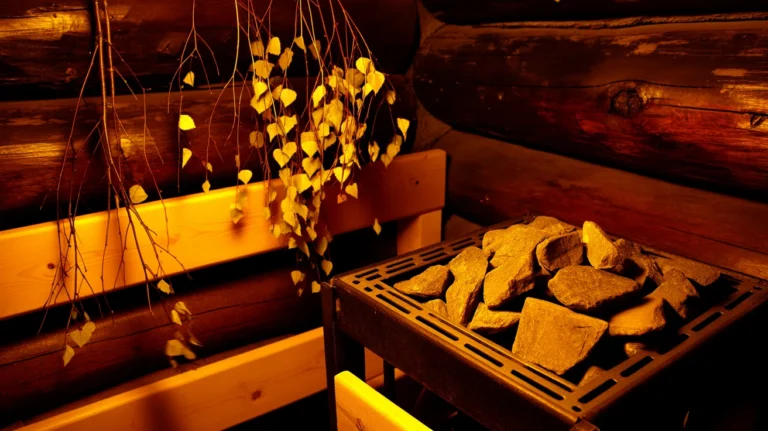
Japan’s current sauna enthusiasm is usually credited to Katsuki Tanaka’s manga Sadō and its 2019 television adaptation, which put the word totonou (the clear, settled state that follows cycles of heat, cold water and rest) into general use. Sento were well placed to absorb it: many already had a sauna cabin and a cold bath a few steps apart.
The practice is built around the cycle rather than around steam. There’s no ladle culture here, no löyly (the burst of steam when water hits the hot stones), and the cold bath does the work that a lake does in Finland. Set against other sauna traditions, it’s closer to a rhythm than to a ritual of the room itself.
Common questions
What is the difference between a sento and an onsen?
A sento is a legally defined neighborhood public bath whose admission fee is capped by the prefectural governor; it usually heats ordinary water. An onsen is defined by the water itself: under the 1948 Hot Springs Act, water that is at least 25°C at source or contains one of a listed set of minerals above a threshold. Some bathhouses are both: a licensed sento can pump genuine hot-spring water and still charge the capped fee.
How much does a sento cost?
In Tokyo the capped adult fee has been 600 yen ($4) since 1 August 2026, with 200 yen ($1) for children aged 6–11 and 100 yen (under $1) for under-6s. Kyoto’s adult cap is about 550 yen ($3), set in April 2025. Caps are set prefecture by prefecture, so the price changes when you cross a border, and a sauna is often an extra charge on top.
Can you go to a sento with tattoos?
Usually, yes. Japan’s national tourism organization says tattoos are typically accepted at public baths and suggests sento as the option for tattooed visitors, while advising you to check the individual bathhouse. Large commercial super sento are more likely to refuse. Government guidance from 2016 told the lodging and spa industry that refusing a bath solely because of a tattoo is “not appropriate,” but it remains guidance, not a rule.
Do you have to be naked in a sento?
Yes. The Tokyo Sento Association states that swimsuits and underwear cannot be worn. You undress fully in the changing room, carry only a small towel and your locker key into the bath hall, and keep that towel out of the water. Men’s and women’s sides are separate.
Do I need to bring my own towel and soap?
Not necessarily. Most sento sell towels, soap and shampoo at the front desk, and some provide them at no charge. Bringing your own is cheaper and standard practice among regulars: a small towel for washing and a larger one for drying.
Are sento disappearing?
The number is, sharply. Tokyo had 2,687 bathhouses at the end of 1968 and 417 at the end of 2025, and the national count of general public baths fell 4.1% in FY2024 alone to 2,730. The survivors, though, are busier: Tokyo’s estimated daily bathers per sento rose from 120 in the mid-2010s to 180 in 2025.