Japanese Onsen vs Sauna: Different Worlds
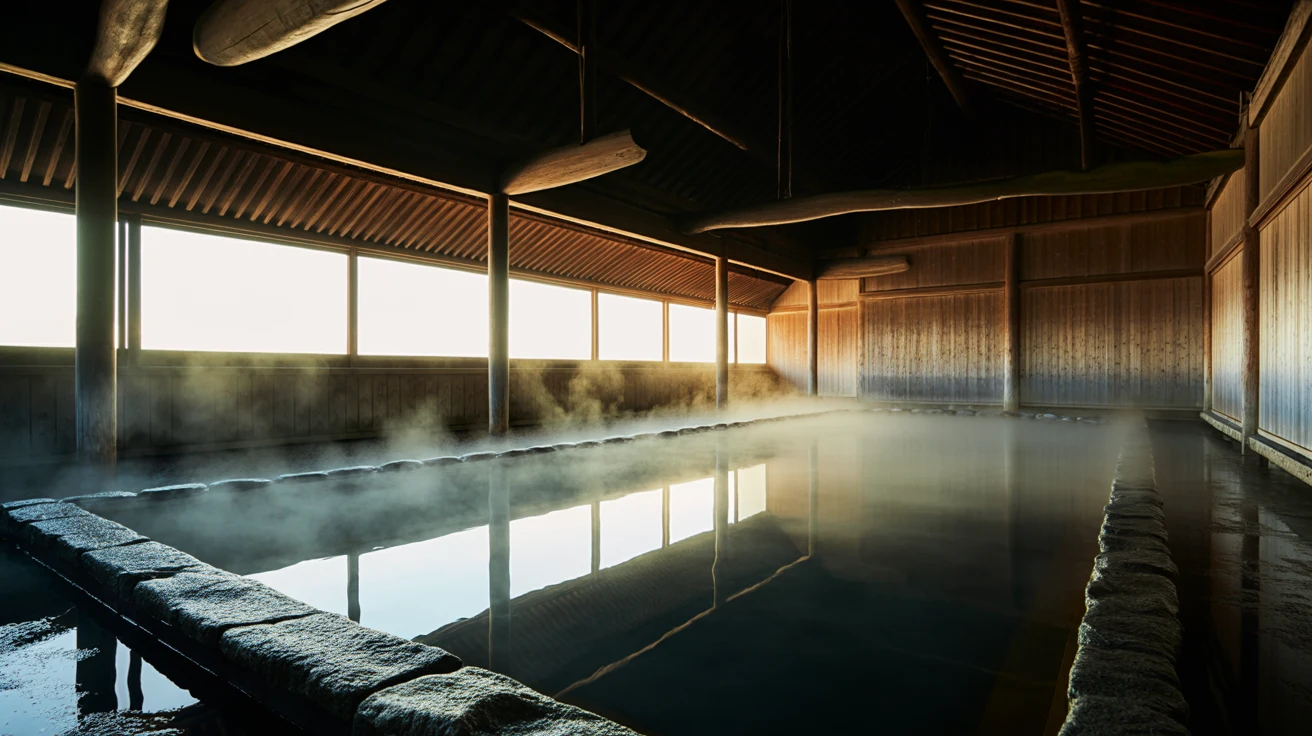
An onsen is not a sauna. It’s a bath. You sit in naturally heated mineral water from a volcanic spring, not in a hot room full of steam, and the entire experience is built around soaking rather than sweating. If you show up in Japan expecting Finnish löyly, you’ll be confused. If you show up in Finland expecting to soak in a mineral pool, you’ll be equally confused.
Japan runs two parallel bathing worlds that most visitors blur together: the traditional communal bath, and a modern, fast-growing sauna scene that borrows heavily from Finland. They overlap in the same buildings but answer completely different needs. Here’s how the pieces fit.
Onsen vs sento: the legal line
The difference between an onsen and a sento is the water, and in Japan it’s written into law. An onsen must use natural hot spring water containing a defined level of dissolved minerals, drawn from a geothermal source. A sento is a public bathhouse that heats ordinary tap water. Both are communal, both follow the same etiquette, but only one comes out of the ground warm.
This matters because “onsen” is a protected claim, not a marketing word. A facility can’t call itself an onsen unless the spring water meets the standard set out in the country’s Hot Spring Law. The official Japan travel guidance spells out the distinction for visitors, and it’s worth knowing before you pay: onsen entry usually costs more, and the mineral content is the reason.
| Feature | Onsen | Sento |
|---|---|---|
| Water source | Natural hot spring, mineral-rich | Heated tap water |
| Legal status | Protected term (Hot Spring Law) | Public bathhouse license |
| Typical setting | Resort towns, rural, hotels | Urban neighborhoods |
| What you do | Soak | Soak |
The etiquette: wash first, no swimsuit
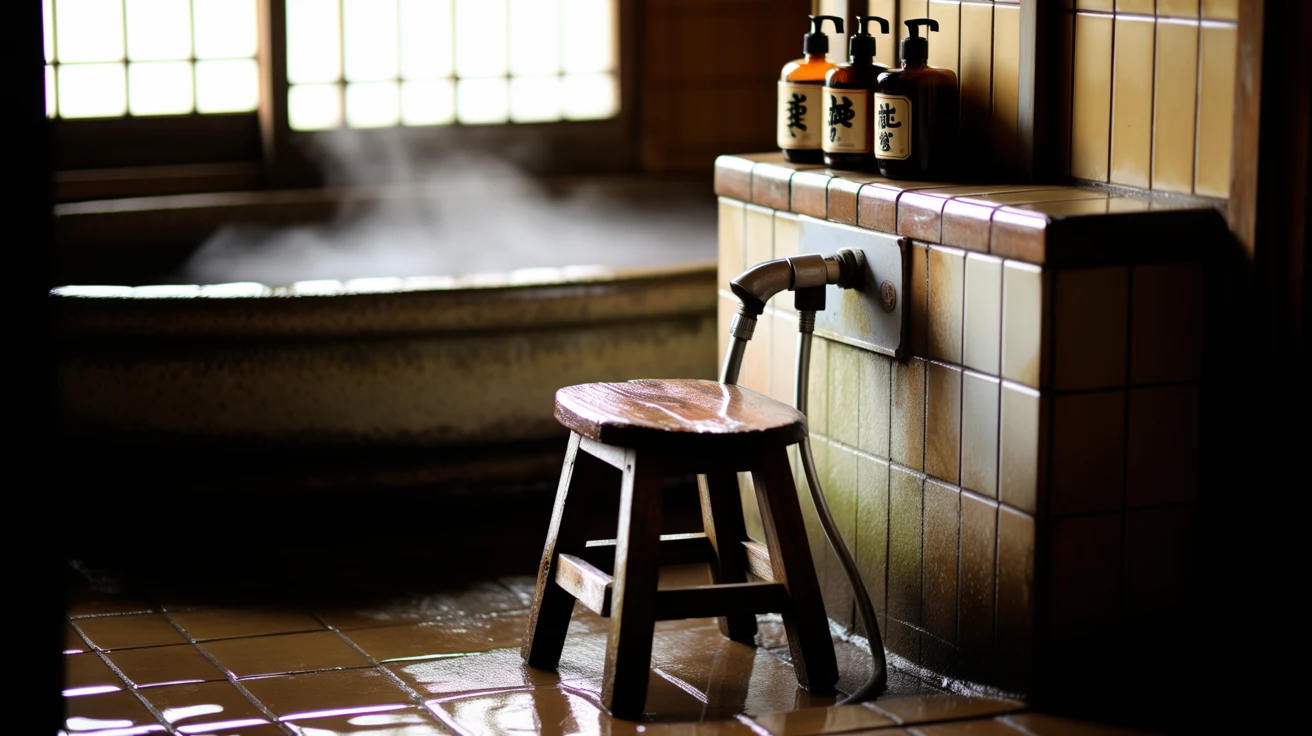
Japanese bathing runs on one non-negotiable rule: you clean yourself completely before you enter the shared water. There are washing stations with stools, handheld showers, soap, and shampoo. You sit, you scrub, you rinse every trace of soap off, and only then do you get into the bath. The communal water is for soaking a clean body, not for washing a dirty one.
You bathe naked. Swimsuits are not allowed in traditional onsen and sento, which surprises a lot of Western visitors expecting a spa. The only thing you bring into the bath area is a small modesty towel, and even that doesn’t go in the water. People rest it on their head or set it at the edge. Baths are almost always separated by gender.
If this sounds strict, it’s the same instinct behind sauna etiquette in Finland, where nudity is normal and the unwritten rules matter more than the posted ones. Different water, same underlying idea: the space is shared, so you don’t foul it.
Tattoos: still a real problem
This is the rule that catches travelers off guard. Many Japanese onsen and sento still refuse entry to anyone with visible tattoos, full stop. The association is historical: tattoos are linked to organized crime in Japan, and a lot of facilities maintain a blanket ban rather than judge case by case. A small floral wrist tattoo and a full back piece can get the same reaction at the door.
It’s uneven. Some facilities have relaxed the policy for foreign visitors, some provide cover-up patches for small tattoos, and a growing number of tattoo-friendly onsen advertise themselves specifically to reassure guests. But the ban is common enough that you can’t assume. Check before you travel, or book a private bath, which many inns offer for exactly this reason.
Japan’s modern sauna boom
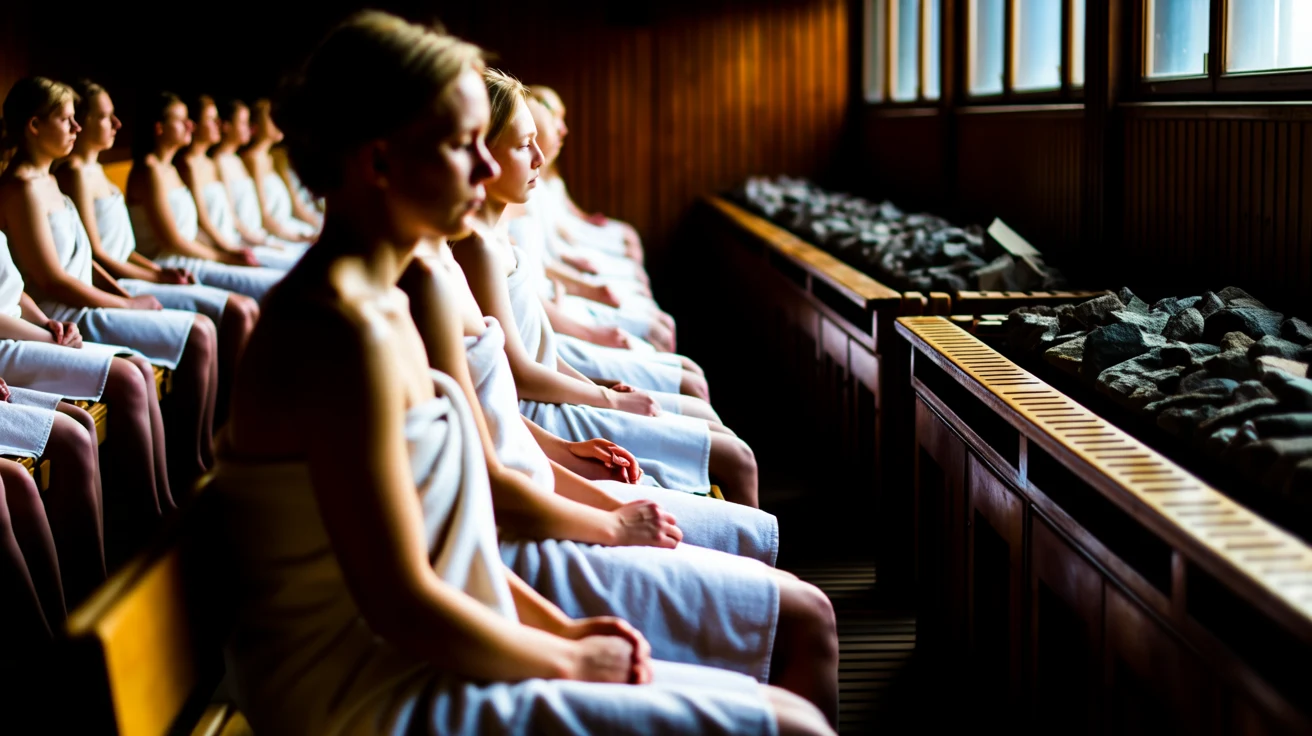
Here’s the part most onsen guides miss: Japan is in the middle of a genuine sauna craze, and it’s a separate thing from the onsen tradition. The word for the deep post-sauna calm, “totonou,” has become a cultural touchstone, driven by a hit manga and TV series about a salaryman who discovers the ritual. Dedicated sauna facilities, many built around the Finnish model of hot room plus cold plunge, have opened across the country.
These modern facilities often sit inside the same complex as an onsen or sento, so you’ll do a heat round, an avanto-style cold dip, and then soak in the mineral bath afterward. The Japanese sauna scene has also produced its own touches: precisely timed cold water, chilled outdoor “air baths,” and an almost engineering-grade attention to the cool-down. The Finns invented the ritual; the Japanese wrote the manual and added a stopwatch.
How it compares to Finnish and European sauna
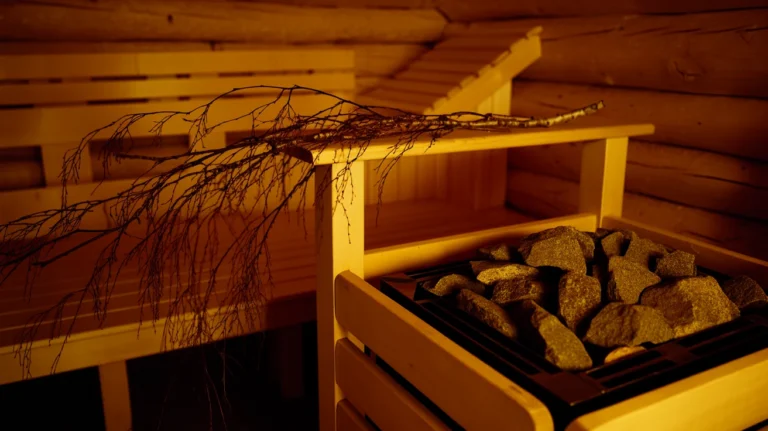
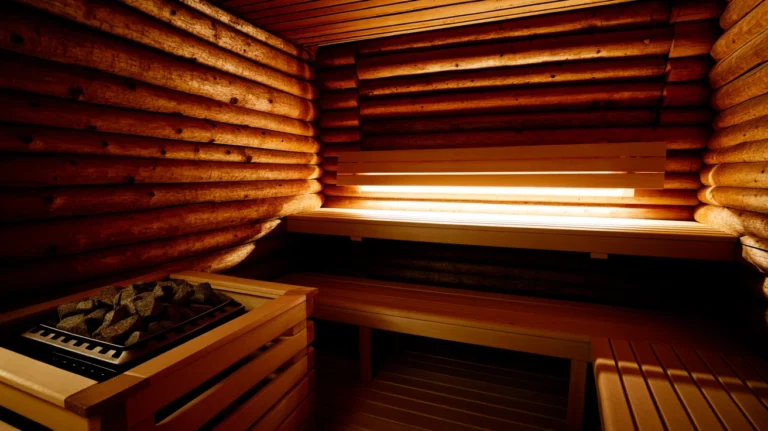
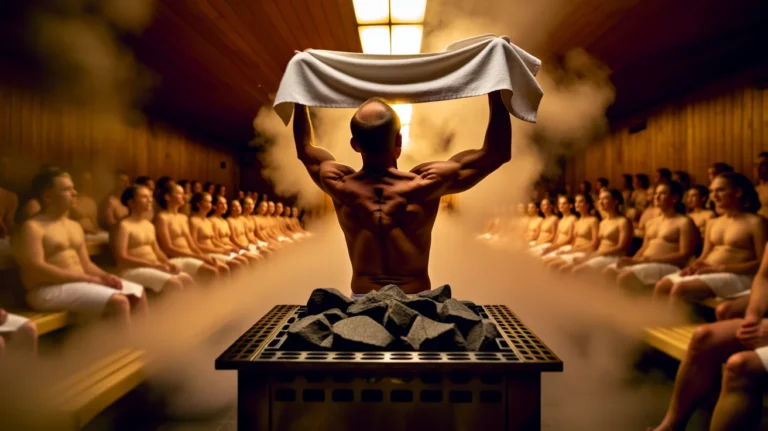
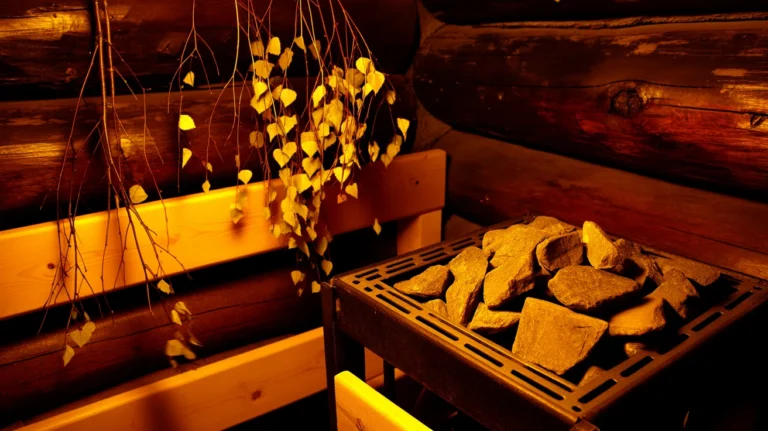
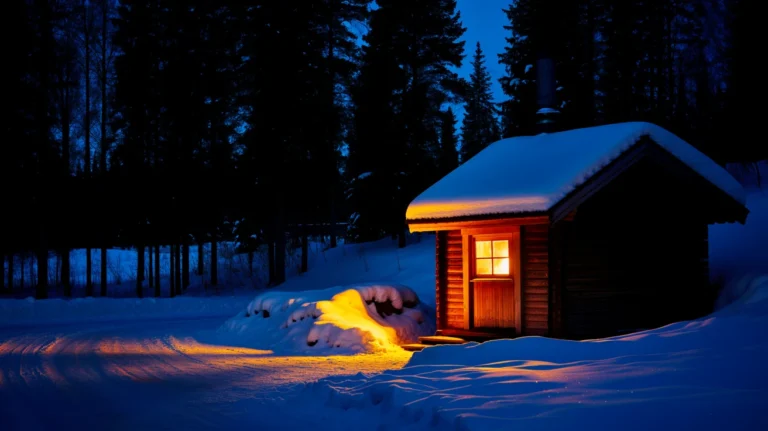
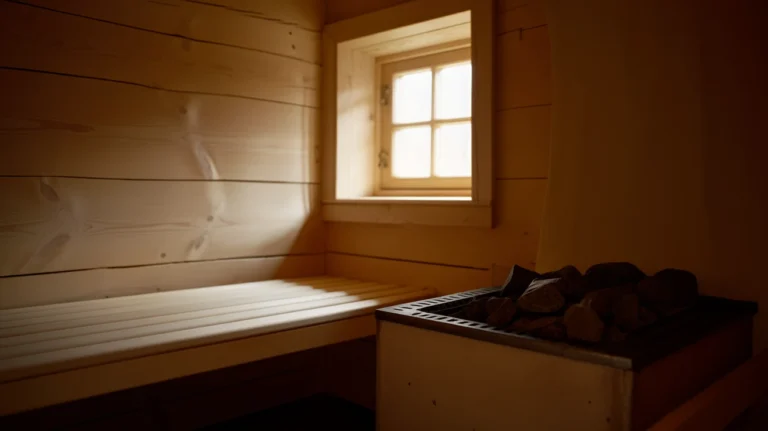
The core difference is soaking versus sweating. A Finnish sauna is a wood-paneled hot room at 80-90°C (176-194°F) where you throw water on hot stones to make löyly, the burst of steam that’s the whole point. An onsen has no hot room, no stones, and no steam ritual. It’s mineral water you sit in. They aren’t competing versions of the same thing; they’re different traditions that both happen to involve heat and getting undressed.
Where they line up is the culture around them. Both treat communal bathing as ordinary and social rather than sexual or shameful, both demand you arrive clean, and both build in a cool-down. Japan’s modern sauna scene is where the two worlds actually merge, importing the Finnish hot room and pairing it with the Japanese soak. For the tradition on the Finnish side, the Finnish Sauna Society lays out what a real sauna is and isn’t.
| Japanese onsen | Finnish sauna | |
|---|---|---|
| Heat source | Mineral spring water | Hot air from a stove |
| What you do | Soak in water | Sit and sweat |
| Steam / löyly | None | Central to the ritual |
| Temperature | Warm bath, roughly 40°C | 70-100°C air |
| Clothing | Naked, no swimsuit | Naked (traditionally) |
If you’re comparing across Asia, the closest cousin is the Korean jjimjilbang, which bundles baths, heated rooms, and communal lounging into one all-day complex. That’s a different structure again, but the family resemblance is clear once you’ve mapped out the whole world of sauna cultures.
FAQ
What’s the difference between an onsen and a sento?
An onsen uses natural hot spring water that legally must contain a defined level of minerals, drawn from a geothermal source. A sento is a public bathhouse that heats ordinary tap water. The etiquette is identical; the difference is entirely in where the water comes from.
Can I go to a Japanese onsen with tattoos?
Often no. Many onsen and public bathhouses still refuse entry to anyone with visible tattoos, due to a historical association with organized crime. Some facilities have relaxed the rule or offer cover-up patches for small tattoos, and tattoo-friendly onsen exist, but you should check in advance or book a private bath.
Is Japanese sauna similar to Finnish sauna?
Yes, the modern Japanese sauna scene is closely modeled on the Finnish hot room plus cold plunge, and it’s booming as its own trend separate from onsen bathing. It adds distinctly Japanese touches like precisely timed cold water and chilled outdoor air baths. The traditional onsen, by contrast, is a mineral-water soak with no steam ritual at all.
Do I have to be naked in a Japanese onsen?
Yes. Swimsuits are not allowed in traditional onsen and sento; you bathe naked and baths are almost always separated by gender. You may carry a small modesty towel, but it stays out of the bath water.
Do I wash before getting in?
Always. You wash and rinse your whole body completely at the seated shower stations before entering the shared bath. The communal water is only for soaking a clean body, and skipping this step is the most serious etiquette breach you can commit.