Budapest Thermal Baths: Which One to Visit and What to Expect
Three Budapest baths are worth planning a day around in 2026: Széchenyi for the enormous outdoor pools and the Neo-Baroque yellow wings, Rudas for the 16th-century Ottoman dome and a rooftop pool over the Danube, and Lukács for a working bath where the crowd is mostly local. That’s the short answer, and two famous names are deliberately missing from it.
Gellért closed on 1 October 2025 for renovation (its own site plans a reopening in 2028) and Király has been shut since 15 March 2020, with no reopening date announced. Half the English-language guides online will still send you to Gellért. Some of them describe the Art Nouveau mosaics in loving detail. It has been closed for nearly a year.
Which bath to pick
All three are a soak-first experience. You spend most of the visit in mineral water at body temperature or above, and the saunas are side rooms you use between pools rather than the center of the evening. Pick based on what you want the day to feel like.
| Bath | What you go for | 2026 day ticket | Hours |
|---|---|---|---|
| Széchenyi | Huge outdoor pools, Neo-Baroque architecture, the biggest crowds | 13,200 Ft ($41) Mon–Thu, 14,800 Ft ($46) Fri–Sun (with locker) | Mon–Thu 07:00–20:00, Fri 07:00–22:00, Sat–Sun 08:00–20:00 |
| Rudas | Ottoman octagonal pool under a dome, 36°C rooftop pool, Friday and Saturday night bathing | 12,000 Ft ($37) Mon–Thu, 15,000 Ft ($47) Fri–Sun (all zones) | Mon 06:00–22:00, Tue–Sun 06:00–20:00 |
| Lukács | A quieter neighborhood bath with a long medical history | Check the official site | Daily 07:00–19:00, Tue until 22:00 |
Széchenyi and Rudas both have a hard 14+ age limit, so this is not a family day out. If you only have one afternoon and want the picture everyone recognizes, go to Széchenyi. If you care more about the bathing than the photograph, go to Rudas.
Why Budapest has so many baths
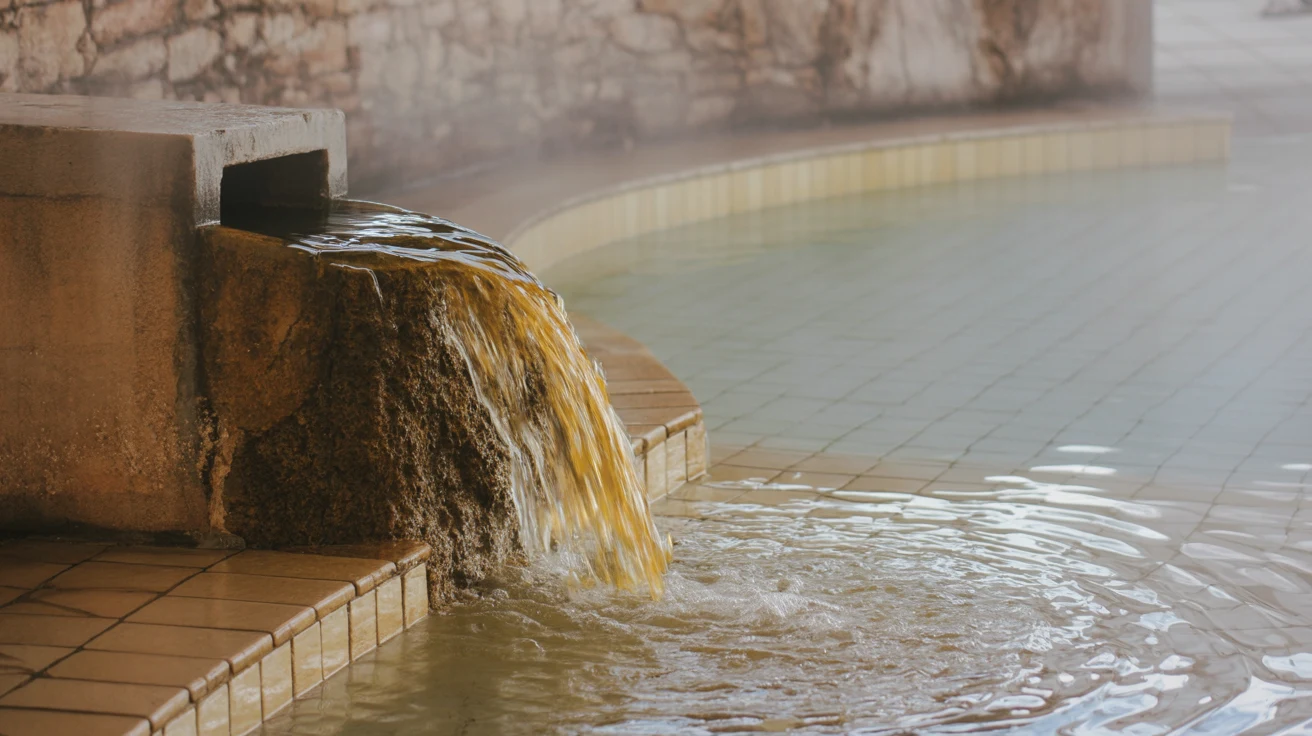
The geology did most of the work. Budapest Spas cPlc, the city-owned operator, says the city’s spas receive around 70 million liters of thermal water a day at 21–78°C (70–172°F), from 123 natural hot springs and drilled wells. That number counts wells alongside springs, which is why you’ll see lower figures quoted elsewhere. This is the operator’s own count.
Roman legionaries at Aquincum, on the Buda side of the Danube, used the springs long before anyone built a dome over one, and ruins of their baths are still visible. The bathing culture that survives today comes mostly from Ottoman rule in Buda, 1541 to 1686, when the Turks built the domed baths that Rudas and Király still occupy. Budapest officially became a City of Spas in 1934, which is roughly when the city started treating its water as a tourist asset rather than a municipal utility, and it’s a fair reason the place ranks with the great bathing destinations anywhere.
Széchenyi: the one on the postcards
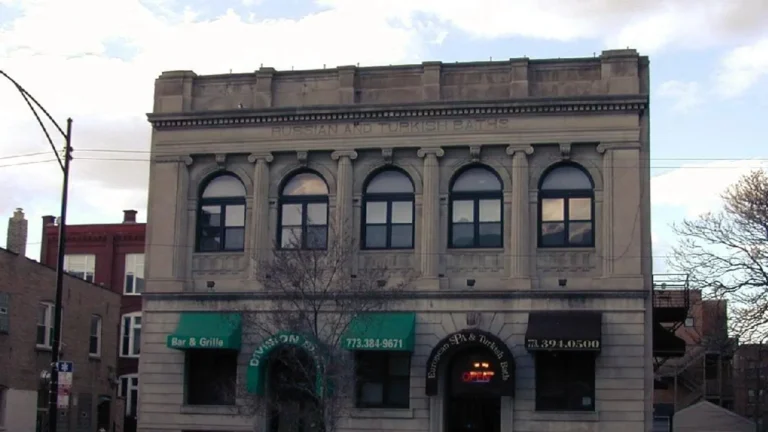
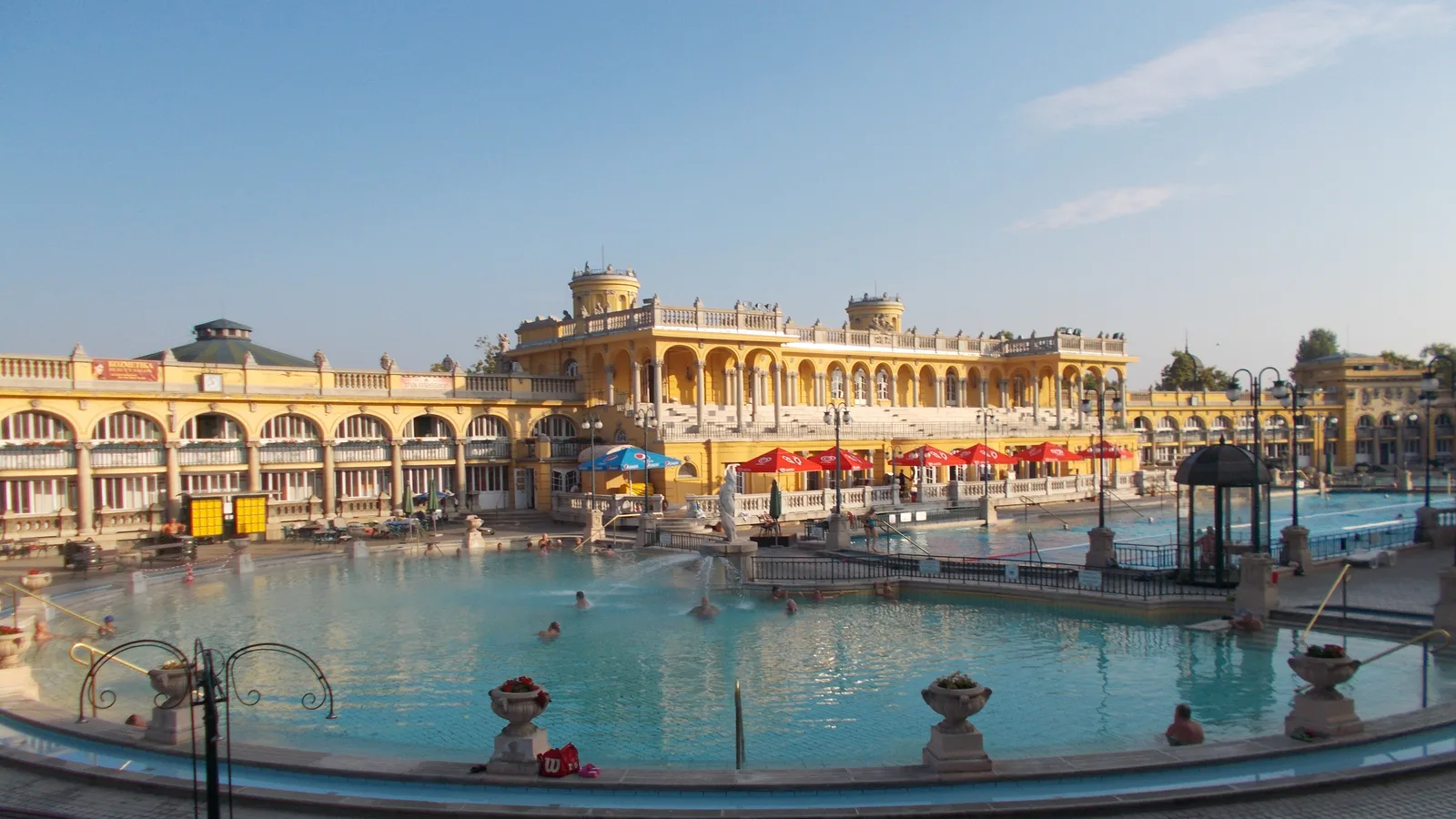
Széchenyi opened on 16 June 1913, designed by Győző Czigler in Neo-Baroque style and expanded in 1927 with the public bathing sections and the outdoor areas you see today. Its official site calls it one of the largest spa complexes in Europe, and the water comes up from deep wells at 74°C and 77°C before being cooled to usable temperatures.
The three outdoor pools are the draw: a 50 m swimming pool at 26–28°C (79–82°F), a leisure pool at 32–34°C (90–93°F), and the thermal pool at 36–38°C (97–100°F), the one the bath itself describes as the famous place for playing chess. The chess boards are real, the players are regulars, and they have been photographed more often than most Hungarian politicians.
Inside there are fifteen more pools, including an indoor medical pool running 28–40°C with a posted recommended bathing time of 20 minutes, plus plunge pools at 18°C and 40°C and the sauna and steam section. Since 1 August 2025 children under 14 are not admitted at all, except with a specialist’s medical certificate.
Winter is when the steaming outdoor pools look best in photos and when getting out of them is least pleasant. Once you leave the water you are standing in freezing air in a wet swimsuit, and the walk from the outdoor pools to the indoor saunas is a cold one. I’ve done it. Bring a robe or a towel big enough to wrap around yourself, keep your slippers at the pool steps, and plan your sauna rounds so you make that walk as few times as possible. I did this in my previous visit to Budapest. Enjoying the warm pools was nice, but walking around the beautiful area in January not so much.
Rudas: the Ottoman dome and the rooftop pool
Rudas is the better bath for anyone who came for the bathing itself. Its Turkish section was built in the 16th century under Ottoman rule: an octagonal pool under a 10 m dome supported by eight pillars, with smaller corner pools around it. This is the same building type as a hammam, adapted to a city sitting on hot springs, so instead of a heated marble slab, the heat arrives through the water.
The Turkish bath’s six pools run 16, 28, 30, 33, 36 and 42°C, which is a genuinely useful spread: you can work up through them and then drop into the 16°C one without anyone handing you a protocol. The separate rooftop panorama pool sits at 36°C, 90 cm deep, capacity sixteen people, with the Danube and the city below it. There’s also a 20.5 m swimming pool at 29°C (84°F) from 1896 where a cap is required, and a drinking hall serving the Hungária, Attila and Juventus springs.
The gender schedule catches people out. Currently the Turkish bath is women only on Tuesday, men only on Wednesday, and mixed on Monday and Thursday through Sunday. Older guides describing men-only weekdays with a single women’s day are out of date; check the official site before you plan around it.
Lukács: the locals’ bath
Lukács is where you go if the idea of queuing behind a stag party makes you tired. It is not an Ottoman bath (during the Turkish period the water here powered gunpowder mills and was used for grinding wheat) and its history runs back to the 12th-century Knights of St John, with the modern bath rebuilt from 1884 under Fülöp Palotay and a drinking cure hall added in 1937. The courtyard is lined with marble plaques left by grateful guests over the decades, which tells you more about the place than any brochure.
It’s open daily 07:00–19:00, and until 22:00 on Tuesday. One thing to know before you go: the official site currently lists the wellness plunge pool as out of service, and the private bathing and accessible changing rooms are under renovation. If the cold pool is the reason you were going, call ahead.
The sauna side of a Budapest bath
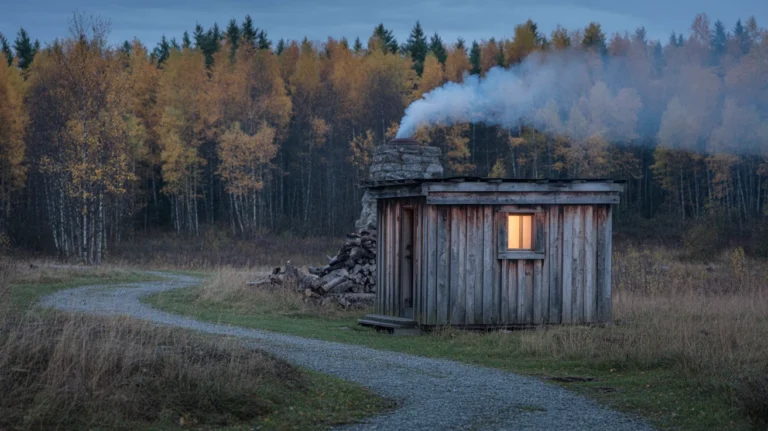
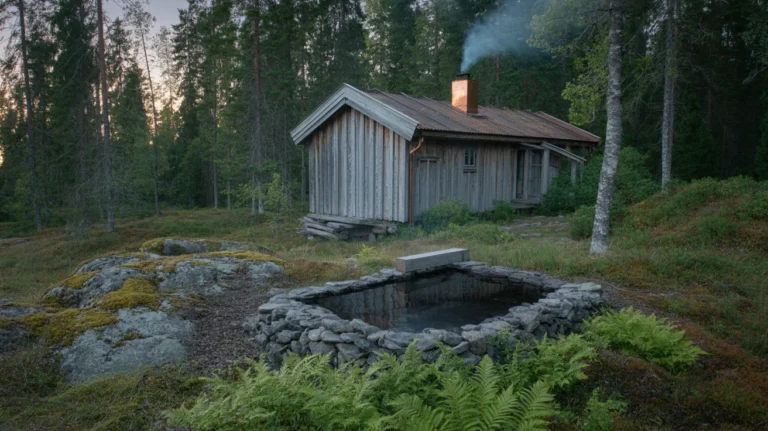
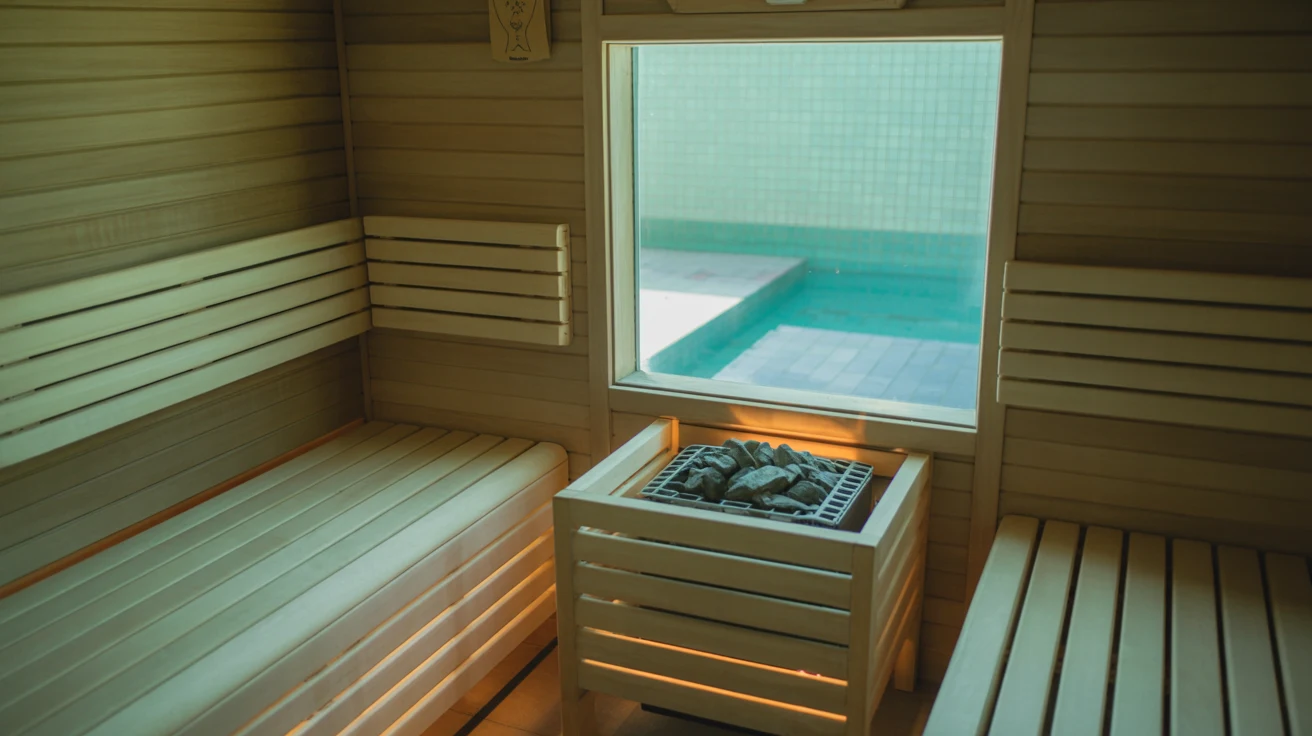
Every big Budapest bath has Finnish saunas, steam cabins and cold plunge pools, and if you arrive expecting them to work like a Finnish sauna evening you’ll be mildly disoriented. In Finland the hot room is the event and everything else, the shower, the lake, the beer, orbits it. In Budapest the thermal water is the event, and the saunas are rooms you pass through on the way between pools.
Rudas has the best spread. Its Sauna World lists two Finnish saunas at 90–100°C (194–212°F) and 60–70°C, an aroma cabin at 40–50°C, a steam room at 45–50°C and a salt cabin at 25–30°C. The Turkish bath area has three more Finnish saunas at 45, 55 and 72°C plus a steam cabin. Széchenyi has saunas and steam rooms too, though the bath’s own pages don’t publish temperatures for them.
What you won’t get is the ritual side: no scheduled towel ceremonies, no attendant fanning the room, and löyly (the steam that rises when water hits hot stones) is not the organizing principle it is further north. If that’s what you’re after, German thermal spas run the ceremony far more formally. Budapest’s contribution is the mineral water, and it’s a good one.
Tickets, towels and the rules that catch people out
Buy online, either from the baths’ own webshops or from a reseller: GetYourGuide and Tiqets both sell Széchenyi entry. Széchenyi’s tickets can be booked up to 180 days ahead, and online tickets can’t be changed or refunded, so don’t buy a fixed date three months out on a maybe. At the door you swap your QR code for a wristband that locks your locker or cabin, and you keep it until you leave.
The locker-versus-cabin choice is small money and worth thinking about: a locker fits a backpack, a cabin is a private changing room that holds more, and at Széchenyi the cabin is a 1,000 Ft ($3) supplement on the day ticket. A safe is 1,100 Ft ($3) on top.
Széchenyi doesn’t rent towels. It sells them, for 6,900 Ft ($21), to visitors who assumed it rented towels. Slippers are 4,200 Ft ($13), a bathrobe 12,600 Ft ($39), all purchases, no rental. Bring a towel and flip-flops. Slippers are mandatory throughout the building anyway, and a swim cap is required only where a pictogram says so, which in practice means the lap pool at Széchenyi and the swimming pool at Rudas.
On clothing: proper swimwear only in the mixed pools, swimsuit, bikini, swim shorts, burkini. Jeans, leggings, sports bras and underwear are all refused. Prices are quoted in forints only, and the official pages list no euro equivalents, so expect resellers’ euro pricing to differ from the gate price.
Finally, timing. Weekday mornings are the difference between a bath and a waiting room. Széchenyi’s cash desks close an hour before the building does, last entry is an hour before closing, and the pools clear 20 minutes early, so a 19:00 arrival on a Tuesday buys you about forty minutes of water.
Common questions
Which Budapest thermal bath is best?
Széchenyi is the best choice for a first visit: three large outdoor pools at 26–28°C, 32–34°C and 36–38°C, fifteen indoor pools, and the Neo-Baroque building everyone photographs. Rudas is better if you want the historic bathing experience: a 16th-century Ottoman octagonal pool under a 10 m dome, six pools at different temperatures, and a 36°C rooftop pool over the Danube. Lukács is the quieter, more local option.
Is Gellért Baths open?
No. Gellért closed on 1 October 2025 for renovation and its official site lists a planned reopening in 2028. Many travel guides still recommend it, but there is no way to visit in 2026. Király Bath has also been closed since 15 March 2020, with no announced reopening date.
How much does Széchenyi Baths cost?
The 2026 day ticket with a locker is 13,200 Ft ($41) Monday to Thursday, 14,800 Ft ($46) on Friday and weekends, and 15,800 Ft ($49) on holidays and peak days. A cabin instead of a locker adds 1,000 Ft ($3). The “Good morning Budapest” ticket, for entry before 9 am, is 10,500 Ft ($33) Monday to Thursday and 11,800 Ft ($37) on Friday. Prices checked September 2026.
Do you need a swimsuit in Budapest baths?
Yes, in all mixed pools. Széchenyi allows proper swimwear only, swimsuit, bikini, swim shorts or burkini, and refuses jeans, leggings, sports bras and underwear. Slippers are mandatory throughout the building, and a swim cap is needed only in the lap pool at Széchenyi and the swimming pool at Rudas.
Can children visit Budapest’s thermal baths?
Not the two main ones. Since 1 August 2025, Széchenyi does not admit children under 14 except with a specialist’s medical certificate, and Rudas also has a 14+ rule. If you’re traveling with kids, check the individual bath’s policy before booking anything.
When is the best time of day to go?
Early on a weekday. Széchenyi opens at 07:00 Monday to Friday and Rudas at 06:00, and both are markedly quieter before mid-morning. Note that cash desks close an hour before the bath does, last entry is an hour before closing, and the pools have to be cleared 20 minutes early, so a late arrival buys you much less water than the closing time suggests.