Best Sauna Destinations Worldwide: Where to Go
Most people’s first real sauna is an accident of geography, a hotel amenity, or a gym afterthought. A sauna trip is the opposite: you go somewhere specifically to sit in heat the way locals have for centuries, and it recalibrates your whole sense of what the practice can be. After you’ve felt löyly (the burst of steam when water hits the stones) in a Finnish waterfront sauna, been scrubbed raw on a marble slab in Istanbul, and jumped off a Swedish pier into the winter sea, the dry box at your gym stops counting as a sauna at all.
This is the survey. Below I map the world’s great sauna cultures, what each one actually feels like, and how to plan a trip around them. For the venue-by-venue detail, the buy-the-ticket specifics, and the etiquette deep dives, I point you to the country guides that carry the full treatment.
Finland: the homeland
Every other entry on this list is, in some sense, a variation on Finland. Sauna culture here dates back an estimated 7,000 to 10,000 years, and it was inscribed on UNESCO’s Intangible Cultural Heritage list in 2020. The numbers are hard to overstate: roughly 3.2 million saunas for about 5.5 million people, and almost 90% of Finns use one at least once a week.
What makes Finland the homeland is not the equipment but the attitude. The sauna is treated as a serious, quiet, essentially sacred space, historically used for birth, healing, and death. The best saunas in Helsinki are the easiest way in for a visitor: the city has more than 60 public saunas, from the wood-heated Kotiharjun (open since 1928) to design-forward waterfront venues, all integrated into the official tourism infrastructure and reachable without a single local connection. Beyond the capital, the wood-fired lakeside saunas across Finland are where the tradition lives closest to its roots. Tampere, about two hours north of Helsinki by train, was named Sauna Capital of the World in 2018 and counts close to 70 public saunas of its own, and the guide to the best saunas in Tampere covers where to start.
Germany: the Saunalandschaft tradition
Germany runs sauna as a national wellness system, not a folk custom. There are roughly 2,300 public saunas, most attached to spas and sports complexes, and industry figures put usage at over 30 million people a year. The German health insurance system can even prescribe a multi-week spa cure for chronic or stress-related conditions, which tells you how the culture treats heat: as medicine.
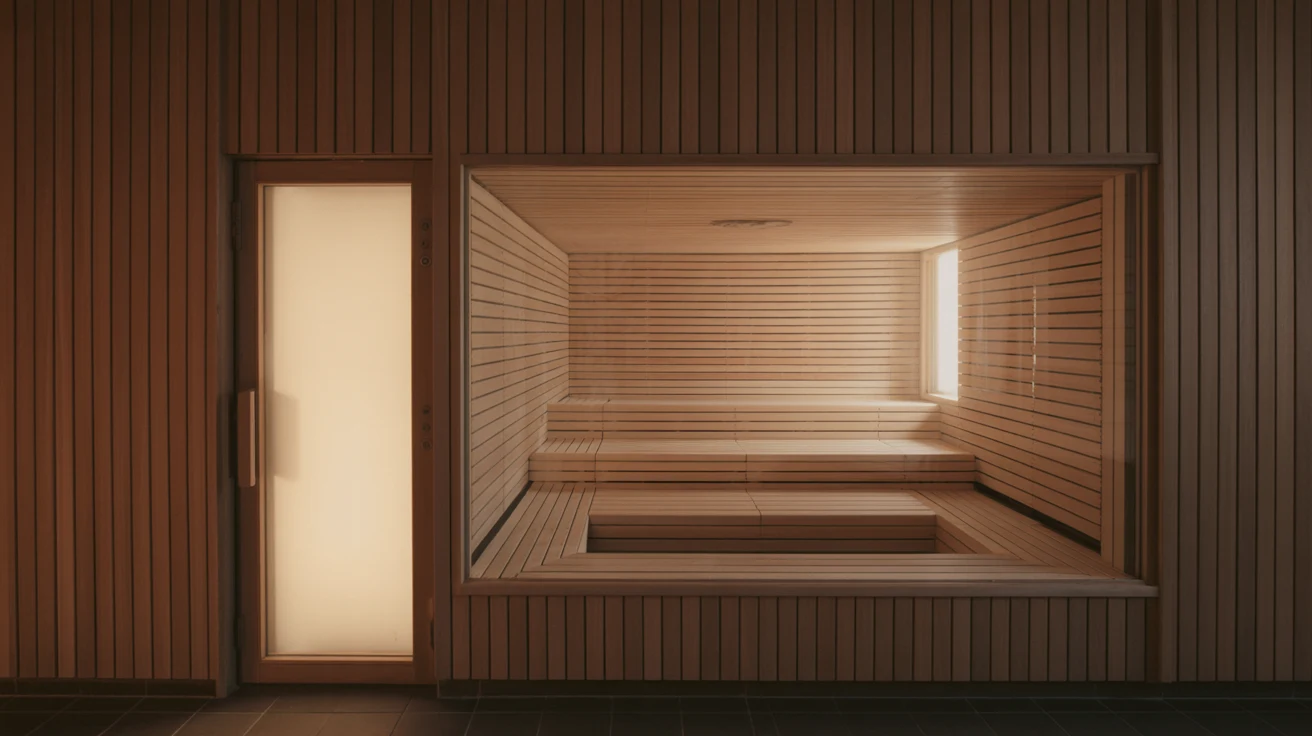
Two things define the German experience. First, it is strictly textile-free: swimwear is banned in the sauna zones for hygiene, a large towel under you is mandatory, and the mixed-sex nudity is entirely non-sexualized. Second, the Aufguss (a ritual infusion where a trained sauna master pours scented water on the stones and circulates the heat with choreographed towel work) turns a sauna round into a scheduled 10 to 15 minute performance, door closed throughout. There is even a world championship for it. The spa landscapes across Germany range from Roman-Irish thermal baths in Baden-Baden to tropical-themed sauna parks in Berlin.
Japan: onsen roots, modern sauna boom
Japan’s bathing culture is ancient, built on onsen (natural hot springs), but its dry-sauna obsession is recent and accelerating fast. The modern sauna arrived with Finnish athletes at the 1964 Tokyo Olympics, and a third national boom kicked off around 2019 after a manga and TV drama popularized it. As of 2024, the Japan Sauna Institute counted 17.8 million regular sauna users and over 10,000 facilities nationwide, growing by roughly a million new enthusiasts a year.
The organizing idea is totonou (a state of mental and physical bliss reached through the sauna-cold plunge-rest cycle; the word means “to be in order”). Japanese sauna is precise about the sequence, and many facilities pair modern Finnish-style dry rooms with the onsen tradition next door. The urban and onsen-adjacent saunas across Japan cluster in Tokyo and Osaka, most of them gender-segregated.
Estonia: smoke sauna heritage
Southeastern Estonia holds one of the oldest surviving sauna cultures on earth. The smoke sauna tradition of Võromaa, kept alive by the Võro community, was inscribed by UNESCO in 2014, six years before Finland’s own listing. The chimney-less room fills with smoke as it heats, then clears, leaving the walls black and the air heavy with a scent no electric heater will ever produce.
What sets the Estonian version apart is ritual depth. The sauna is also where families smoke meat, pass craftsmanship to children, and observe a customary Saturday and pre-festival rhythm. Families take turns hosting each other. It is less a wellness stop than a family institution, and the Võromaa farmsteads around Võru offer guided experiences with Tartu as the nearest city.
Russia: the banya tradition
The banya (the Russian steam bath, and one of the country’s most durable institutions) shows up in the 12th-century Primary Chronicle and has outlasted every regime since. Its layout is three rooms: a relaxing anteroom, a washing area, and the steam room at the heart of it, often pushing past 90°C (194°F) with humidity up to 60%.
The central ritual is being gently beaten with a vasta (a leafy bundle of birch or oak branches; called a birch whisk in English, and known here as a venik), which improves circulation and scrubs the skin. Wool felt hats protect your head from the heat, and a cold plunge between rounds is not optional. Socially, the steam bath has always been a place for storytelling, celebration, and settling arguments. Moscow’s Sanduny, the most renowned public bathhouse in the country, still operates. You can read more on the banya’s history and structure before you go.
Turkey: hammam culture
The hammam is the Ottoman contribution to global bathing, and Istanbul alone still has over a hundred historic ones, many operating continuously for four or five centuries. Several were designed by Mimar Sinan, the great 16th-century imperial architect, with star-shaped dome skylights dropping light onto the marble. Ottoman rule also reached Buda, and Budapest’s thermal baths still include Rudas, a working 16th-century domed bath.
The sequence is unlike anything on this list: you undress, warm up in a tepid room to open your pores, then lie on the göbek taşı (the central heated marble slab) to sweat before an attendant gives you a coarse-mitt exfoliating scrub and a foam massage. It is a service performed on you, not a solitary sweat. Entry at major historic venues starts from around €36 ($41), though prices vary widely by package. The historic hammams of Istanbul are the definitive introduction. For orientation on customs, GoTürkiye’s guide to traditional hammams is a solid start.
Sweden: kallbadhus and lake bastu
Sweden’s bastu (the Swedish word for sauna, from “bath house”) traces to the indigenous Sami people of the north and is woven into ordinary life, with shared saunas built into apartment buildings. But the signature Swedish institution is the kallbadhus, the pier-based “cold bath house” offering saunas, nude sea swimming, and sun decks, open year-round.
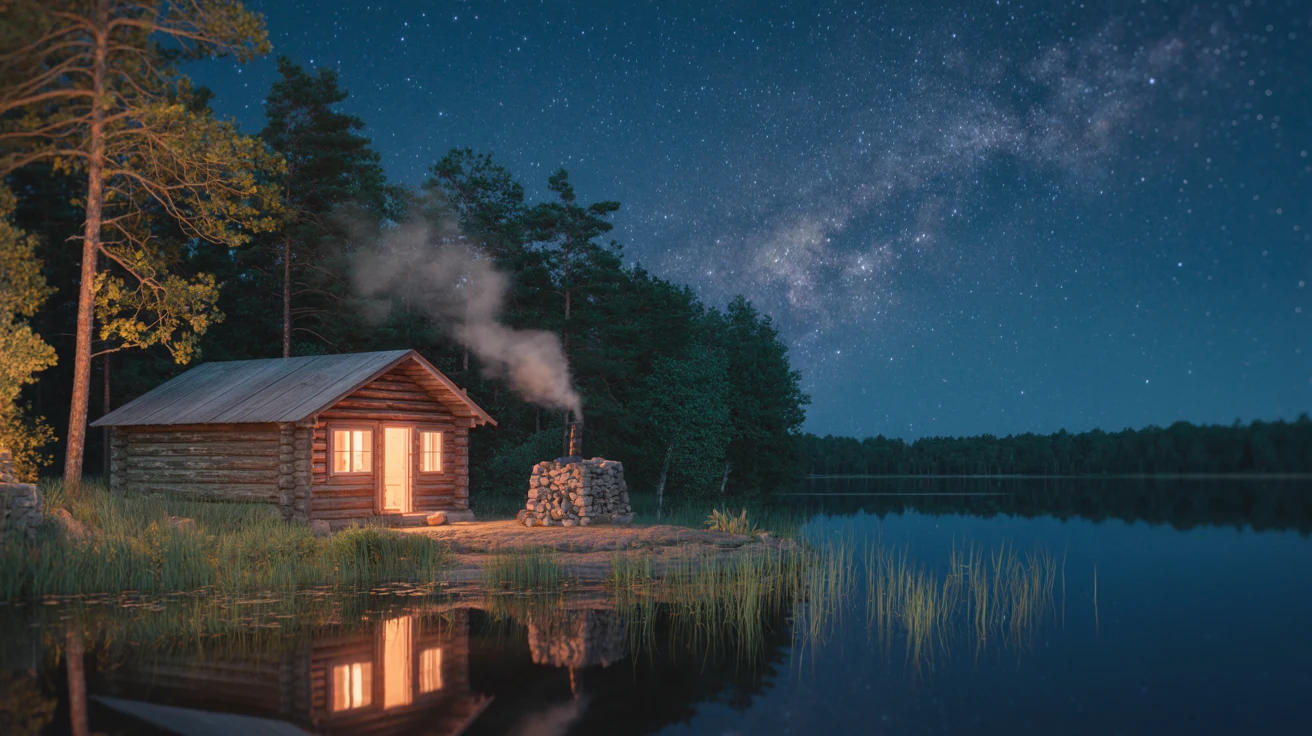
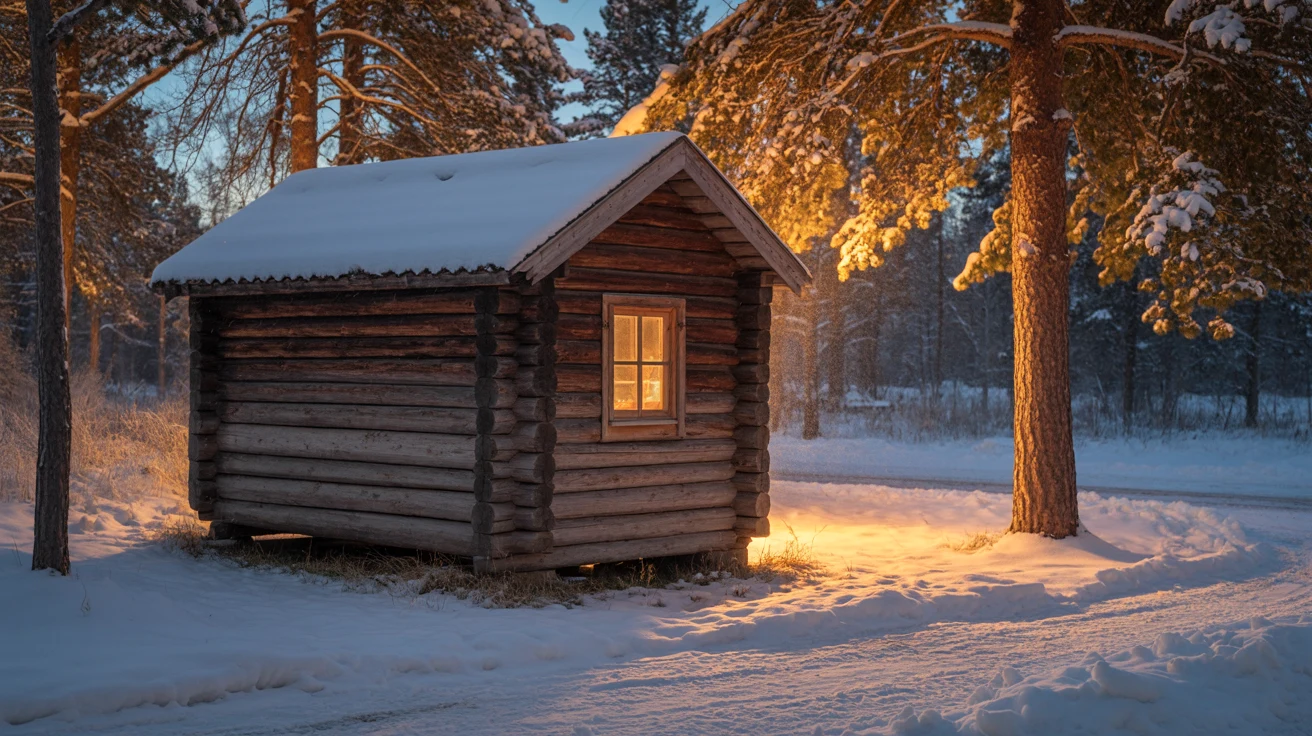
The ritual is heat, then a walk out onto the pier, then a jump into the sea even in winter, then back to the heat. Ribersborgs Kallbadhus in Malmö, inaugurated in June 1898, is the classic example, with separate sections and one mixed sauna. Many Swedish saunas also observe a strict silent policy. In rural Sweden, the summer lake sauna, a small wood-heated hut by the water, does the same job with fewer rules. The kallbadhus and lake saunas across Sweden cover the range from Malmö to the countryside outside Stockholm.
United States: the best US sauna cities
The US sauna scene is expanding faster than almost anywhere, with the sauna and bathhouse market projected to grow by $150 million over four years. The action concentrates in cities with Scandinavian heritage. Duluth, Minnesota styles itself the “Capital of Sauna” thanks to one of the highest concentrations of Finnish immigrants in the country, a legacy traced in the history of American sauna culture. Minneapolis and Seattle round out the leading cities.
The defining American innovation is the floating sauna, which pairs Nordic heat-cold ritual with waterfront access and has opened from Minnesota to New York. Seattle’s waterfront venues charge roughly $32 to $40 per seat, with cold-plunge options that range from a ladder into the lake to a private plunge. The best US sauna cities and floating saunas map the whole trend.
Iceland: geothermal pools
Iceland is the outlier here, because its bathing culture is geothermal rather than sauna-native. Volcanic geology delivers naturally heated mineral water at usable temperatures across the island. The Blue Lagoon, on the Reykjanes Peninsula about 23 km from Keflavík Airport, is the world’s most famous geothermal spa, its milky-blue seawater sitting at 37 to 40°C (98 to 104°F) across a 10,000-square-meter site. Advance booking is genuinely required, often days to weeks ahead.
The newer Sky Lagoon, opened near Reykjavik in 2021, offers an ocean-view alternative with a seven-step ritual that runs through sauna, cold mist, steam, and cold plunge; its Sér ticket runs ISK 18,990 (roughly USD 135 to 140 at 2024 rates). Every Icelandic town also has a geothermally heated public pool, which is the real daily institution.
How to plan a sauna trip
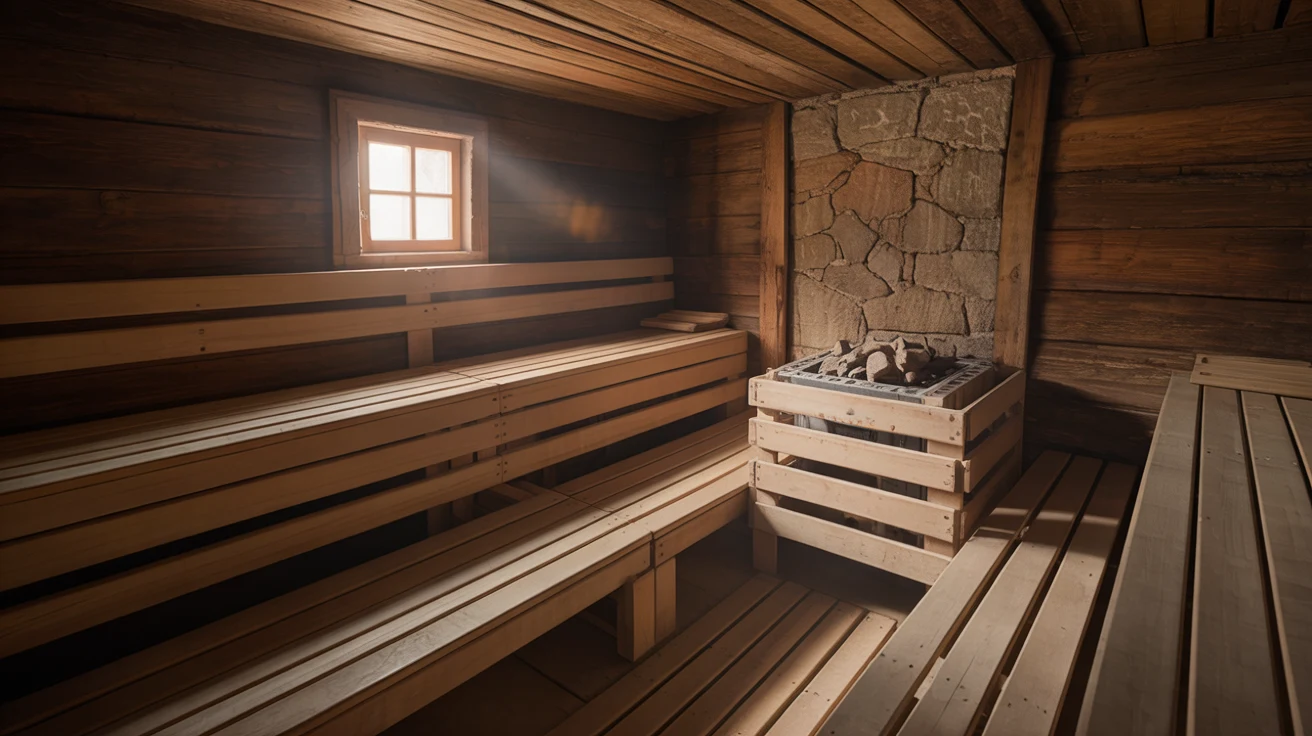
A good sauna trip starts by choosing the style you actually want to feel, because these traditions are not interchangeable. Finnish wood-fired heat, textile-free German infusion sessions, Estonian smoke sauna, Turkish scrub-and-massage, Russian steam, Japanese totonou sequencing, Icelandic geothermal soaking, and Swedish or American waterfront plunging are genuinely different experiences that happen to share a heated room.
For a first-timer, Helsinki and Berlin are the two easiest entry points, and it is worth being explicit about why. Both have multiple world-class public venues accessible to tourists, no meaningful language barrier, and sauna culture documented in English as part of the official tourism offer. Everything else on this list rewards a little more preparation. If you would rather build a trip around a date, the guide to sauna festivals and events covers the gatherings worth planning around.
| Destination | Signature style | Dress code | Book ahead? |
|---|---|---|---|
| Finland | Wood-fired löyly, lake plunge | Nude, shower first | Premium venues yes; free ones no |
| Germany | Textile-free infusion ritual | Nude, towel on bench, flip-flops | Walk-in; plan around session times |
| Japan | Sauna-cold-rest sequencing | Gender-segregated, no towel inside | Varies; some tattoo restrictions |
| Estonia | Smoke sauna, family ritual | Nude | Yes, guided farmstead experiences |
| Russia | High-humidity steam, whisk beating | Nude/same-sex, felt hat | Often cash-based |
| Turkey | Marble-slab scrub and massage | Cloth wrap, attendant service | Yes in peak season |
| Sweden | Pier sauna, sea plunge | Nude, separate + one mixed sauna | Recommended |
| USA | Floating waterfront sauna | Swimwear common | Yes, per-seat booking |
| Iceland | Geothermal lagoon soak | Swimwear | Essential, often weeks ahead |
Two structures work especially well. A Helsinki weekend lets you stack a design sauna, a traditional wood-heated one, and a sea pool in a single city. And a Tallinn-to-Helsinki ferry hop (two to three hours across the Gulf of Finland) puts both UNESCO-listed traditions, Estonian smoke sauna and Finnish wood sauna, in one trip. Pack a large towel everywhere, flip-flops for German spas, and cash for traditional neighborhood saunas. Skip alcohol beforehand and drink water throughout.
FAQ
Where is the best sauna in the world?
There is no single best, because the traditions are too different to rank against each other. If you want the deepest, oldest sauna culture, Finland is the homeland, with 3.2 million saunas and a UNESCO-listed tradition. If you want a specific standout venue, Helsinki’s waterfront saunas and Baden-Baden’s historic Roman-Irish bath in Germany are among the most celebrated in the world.
Where should I go for a sauna trip?
For a first dedicated sauna trip, Helsinki or Berlin are the easiest, because both have multiple world-class public saunas accessible to tourists, English is widely spoken, and sauna culture is part of the official tourism infrastructure. Once you know what you enjoy, Estonia, Turkey, Japan, and Sweden each reward a more deliberate trip built around their specific style.
What countries have the best sauna culture?
Finland, Germany, Estonia, Russia, Turkey, Sweden, and increasingly Japan all have distinct, deeply rooted heat-bathing cultures. Finland and Estonia hold UNESCO Intangible Cultural Heritage status for their sauna traditions, while Germany runs the most developed public spa system and Turkey preserves centuries-old Ottoman hammams.
Do I have to be naked in a sauna abroad?
It depends on the country. Finland, Germany, Sweden, and Russia are typically nude, though Germany and Sweden usually separate this by mandatory towels and same-sex or mixed-sex zoning. Turkey uses a cloth wrap, and Icelandic geothermal lagoons and many US floating saunas expect swimwear. Check the venue’s rules before you go.
Do I need to book sauna venues in advance?
For premium and famous venues, yes. Iceland’s Blue Lagoon often needs booking days to weeks ahead, and popular Helsinki and Turkish venues fill up in peak season. Free or volunteer-run saunas, like some Helsinki community saunas, take no booking at all.