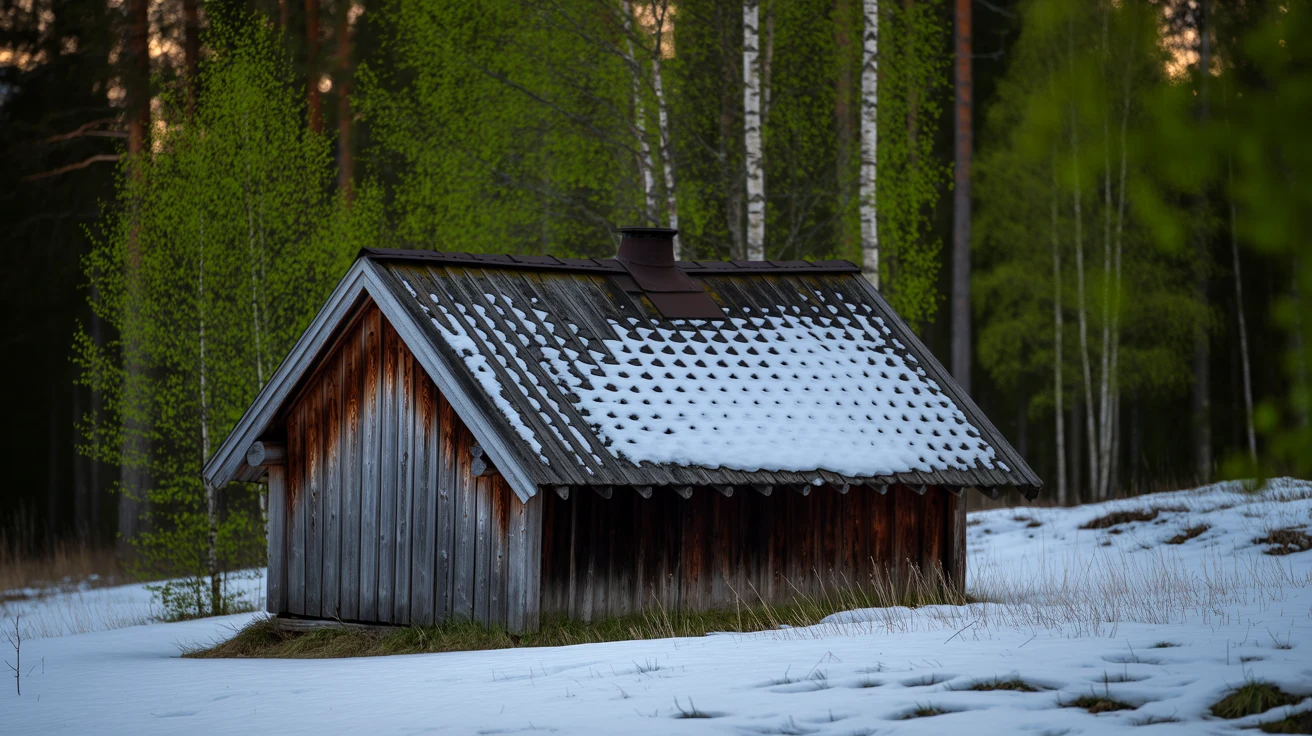
Sauna Through the Seasons: A Year-Round Guide
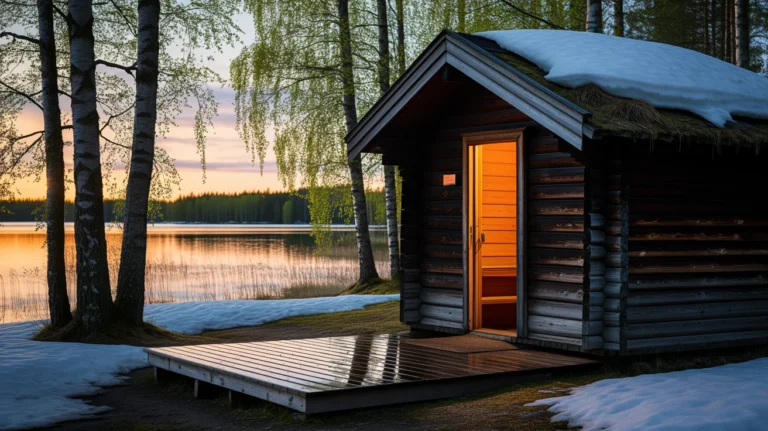
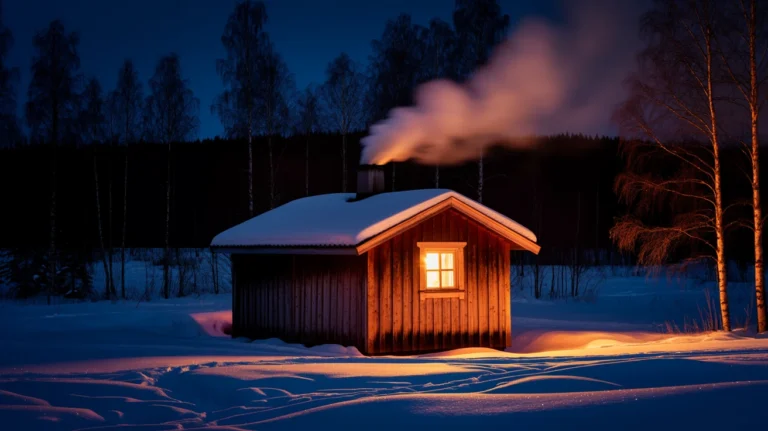
The same sauna is two different rooms depending on the month. In January you heat it against a black afternoon, run out into snow, and come back to steam that feels like the only warm thing in the world. In July you heat it more casually, sit with the door cracked to the lake, and cool off by walking into the water instead of clawing your way out of it. Finns do not pick one over the other. The contrast is the point.
Sauna in Finland runs year-round at a roughly once-weekly baseline, and the practice bends around the season rather than pausing for it. What changes is frequency, how you cool down, and the whole mood of the thing. This guide maps the year: what shifts, how the upkeep rhythm works for an outdoor room, and where the deep dives live. Each season below is a short orientation with a link to the full treatment.
How the sauna year actually moves
The weekly rhythm holds across all four seasons, but almost everything around it flexes. In the cold half of the year the sauna is a destination you retreat into; in the warm half it becomes a base camp for swimming. The heat-up time, the cooling method, the length of the sessions, and the number of people all drift with the calendar.
| Season | Typical use | Cool-down method | Atmosphere |
|---|---|---|---|
| Winter | Frequent, longer sessions | Snow, ice-hole, cold shower | Dark, insular, restorative |
| Spring | Steady, transitional | Cold shower, first lake dips | Lightening, shoulder-season |
| Summer | Lighter, lakeside | Lake swim, repeated dips | Bright, social, unhurried |
| Autumn | Ramping back up | Cold shower, cold lake | Reset, closing-down |
None of this is prescriptive. It is just what the weather does to a habit when you keep the habit for a whole year. The Finnish Sauna Society treats the sauna as an everyday fixture rather than a seasonal treat, and that everyday quality is exactly what lets it change shape without breaking.
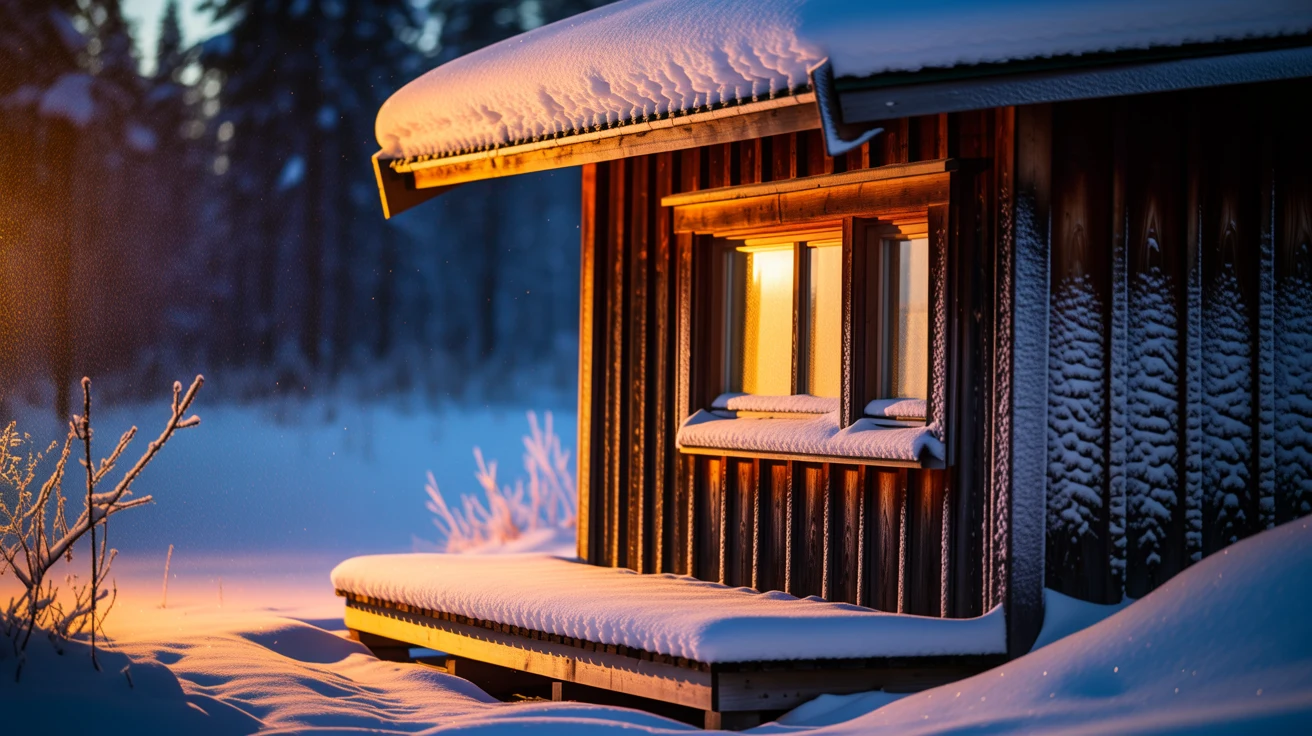
Winter: the hot-cold contrast at full strength
Winter is peak season, and it is peak season because of the temperature gap. Sitting at 80-90°C (176-194°F) and then stepping into sub-zero air makes both extremes sharper. The heat feels deeper because the cold outside is total; the cold feels clean because the heat sent you into it warm.
This is where snow-rolling and ice swimming come in. Yes, Finns really do roll in the snow between rounds. No, you don’t have to. The gentler version is a cold shower or a walk into the dark; the committed version is cutting a hole in the lake ice. If you want the full ritual, the winter sauna covers the round-by-round rhythm, and Finnish ice-hole swimming covers the cold end of it properly, including the safety you should not skip.
Summer: move it to the lake and go lighter
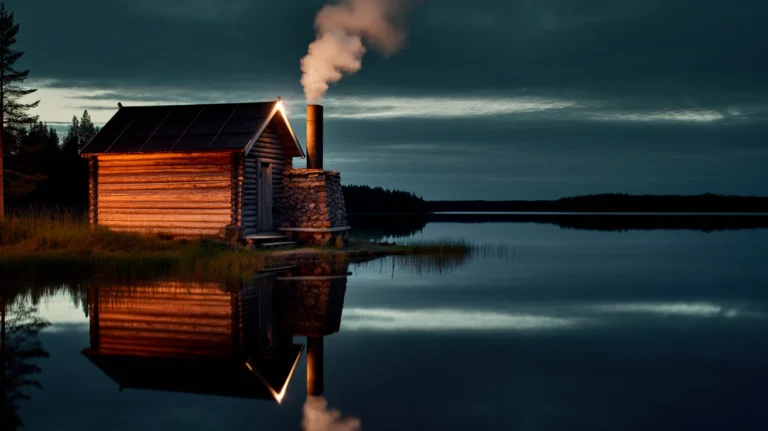
Summer does not stop the sauna, it relocates it. The heater still runs, but the sessions get shorter and the cool-down becomes the main event. Instead of forcing yourself out into cold air, you walk out of a warm room into warm evening light and step into the water. The summer sauna tends to run at the lower end of the range, with the door open and no particular hurry.
The rhythm inverts: in winter the sauna is the reward and the cold is the shock, while in summer the swim is the reward and the sauna is the warm-up. A lake swim after sauna in July is less about bracing yourself and more about staying in the water because it feels good. Sessions get lighter, evenings get longer, and nobody is counting rounds.
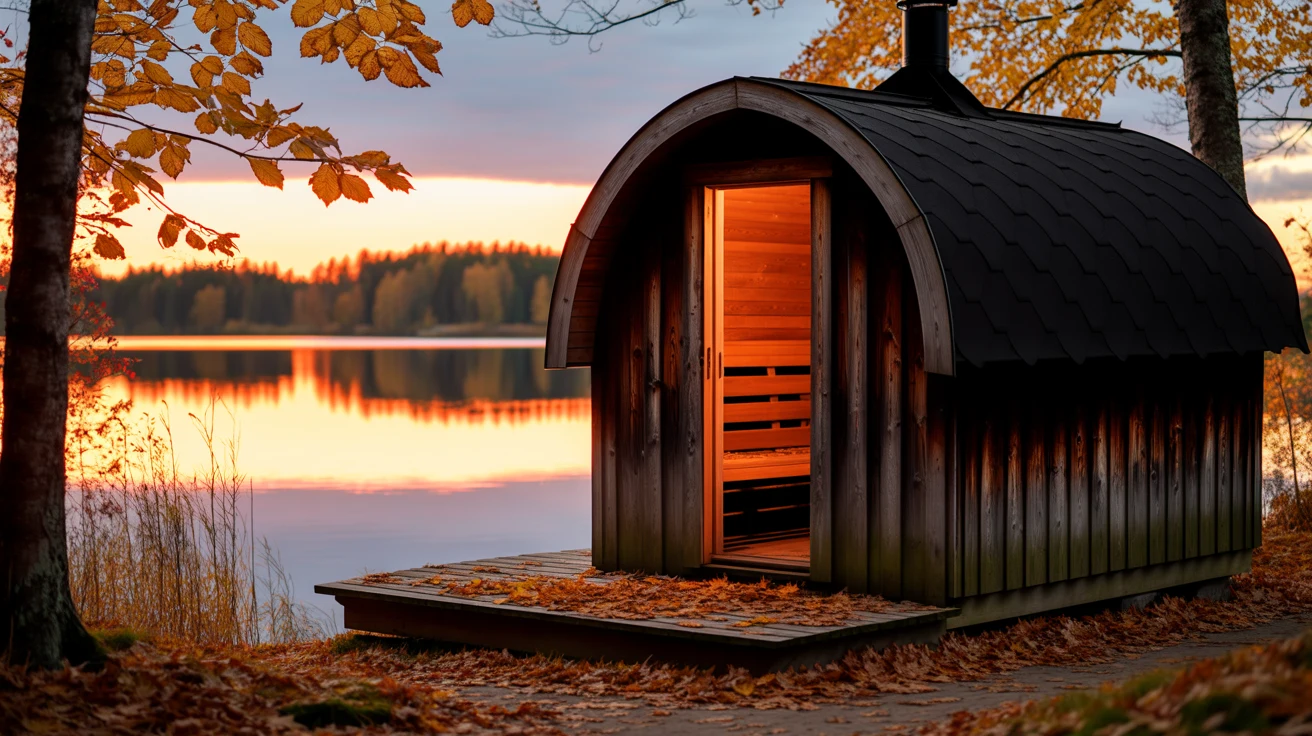
Autumn and spring: the transitions
The shoulder seasons are where the practice changes gears. Autumn is a reset, the point where the lighter summer routine tightens back into something more deliberate as the light drops and the water turns cold. Spring runs the same arc in reverse: the first tentative lake dips, the door starting to stay open again, the sessions loosening. Both live in autumn and spring sauna, which handles the in-between weather that is neither snow nor swimming season.
These months are underrated. The contrast is milder than winter and the atmosphere is calmer than summer, which for a lot of people is the sweet spot. There is no crowd, the water is cold enough to matter but not cold enough to frighten anyone, and the whole thing feels like maintenance in the best sense.
Seasonal upkeep: heating in the cold, closing up for the freeze
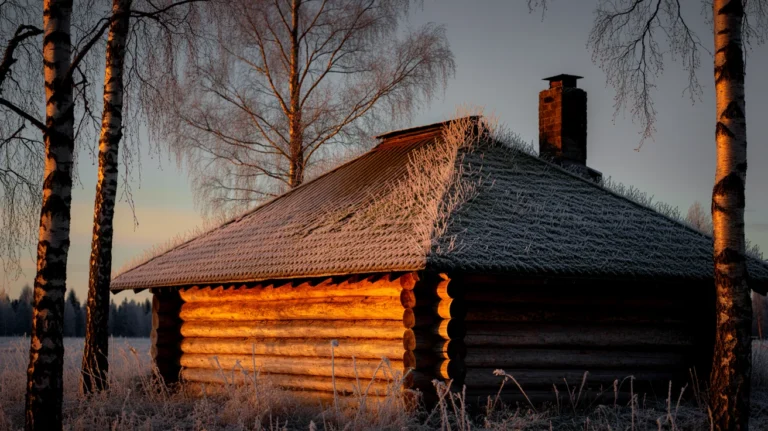
An outdoor sauna asks more of you than an indoor one, and most of that extra work is seasonal. In deep cold the room takes longer to come up to temperature, because the heater is fighting the outside air through every surface. A wood-fired stove that hits temperature in 30-45 minutes in autumn can want longer on a genuinely frozen day, so plan the fire earlier than you think you need to. The full timing logic lives in heating a sauna in cold weather.
The other half is winterizing. If your outdoor sauna will sit unused through hard freezes, standing water is the enemy: buckets, pipes, and anything plumbed can crack when it freezes and expands. Draining the water system and prepping the room properly is the difference between a smooth spring startup and an expensive one, and winterizing an outdoor sauna walks through the closing-up checklist.
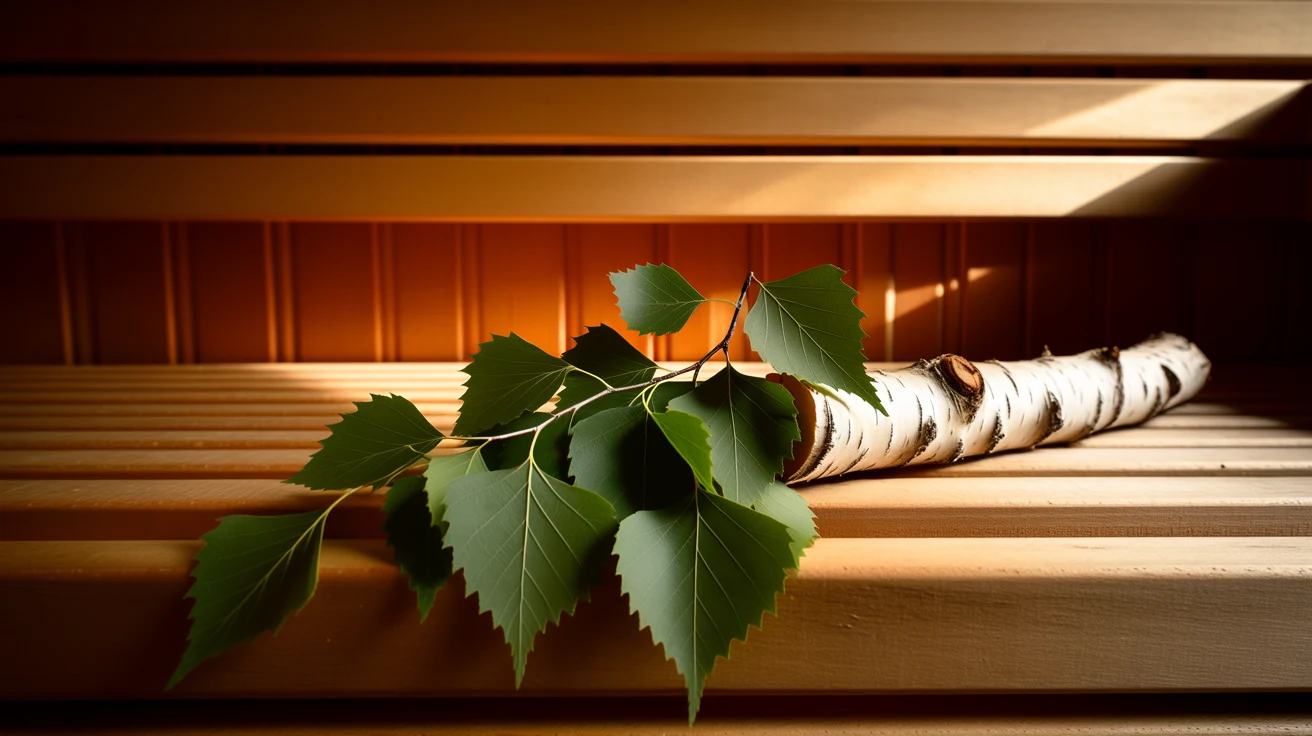
The seasons Finns build the year around
Two saunas each year carry more weight than any ordinary week. The Christmas sauna is a quiet, almost ceremonial one taken before the evening meal, and it is treated with a gravity the rest of the year does not demand. The midsummer sauna sits at the opposite pole of the calendar and the opposite mood: bright, near-endless daylight, a birch whisk cut fresh, and the year’s longest evening spent between the heat and the lake.
These two are the emotional bookends of the sauna year, one in the dark and one in the light, and they are worth their own reading rather than a summary here. The full traditions live in the Christmas sauna guide and the midsummer one linked above. Between them sits everything else in this guide: the ordinary weekly sauna that quietly changes shape month after month.
FAQ
Can you use a sauna in summer?
Yes, and in Finland people absolutely do. The main change is that summer sessions tend to run shorter and cooler, with the door open and a lake swim doing most of the cool-down work. The sauna does not close for the season; it just goes lighter.
Is winter the best time to sauna?
Winter is when many people find the experience at its most intense, because the gap between the hot room and the freezing air makes both extremes sharper. That contrast is the whole appeal for a lot of sauna-goers. It is not objectively “better,” but it is the season the practice is arguably built around.
How does sauna use change through the year?
The weekly rhythm holds year-round, but the details flex: winter brings longer sessions and cold-shock cool-downs like snow or an ice hole, while summer brings shorter, cooler sessions and lake swimming. Autumn and spring are the transitional gears between the two. Frequency stays roughly steady while atmosphere and cooling method shift.
Do you need to winterize an outdoor sauna?
If your outdoor sauna will sit unused through hard freezes, yes. The critical step is removing standing water from buckets, pipes, and any plumbing, since water that freezes and expands can crack fixtures and split wooden buckets. A room that stays in regular winter use needs less of this, but anything left cold and wet is at risk.