Summer Sauna: Lakeside Evenings and the Long Light
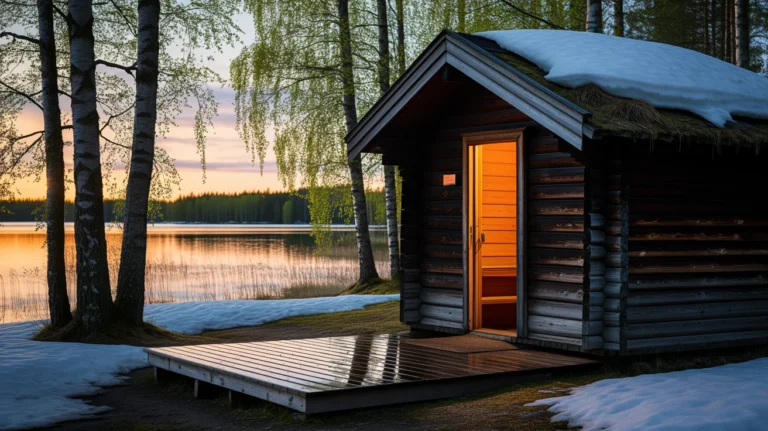
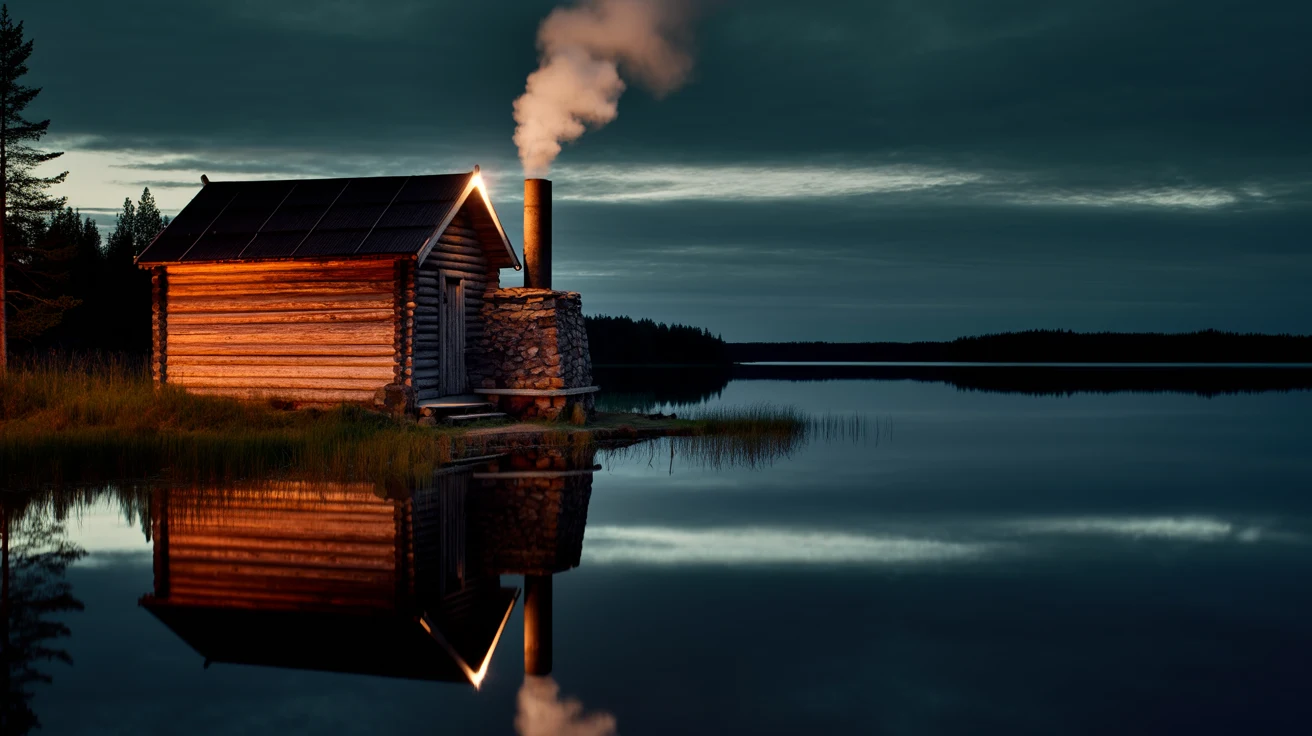
The Finnish summer sauna barely resembles its winter self. The heater still does the same job, but everything around it changes: sessions slide to nine or ten in the evening, the door stays open, and the cool-down is a lake instead of a shower. In a country where the June sun barely sets, the sauna stops being a place you retreat to for warmth and becomes the deck you gather on before the swim.
If you only know sauna as a winter ritual, summer will reorder your assumptions. The heat is no longer the reward. The water is.
The summer rhythm: later, lighter, by the water
Summer sessions run late. With daylight stretching past 11 p.m. across most of the country, and near-continuous light in the north, there’s no reason to heat the sauna at six. You eat, you sit outside, and the sauna gets going once the sun drops low and gold. The session becomes the punctuation at the end of a long, bright evening rather than a warm-up against the dark.
The frequency drops too. Where a Finn might sauna two or three times a week in winter, summer at the cottage can mean a single long, unhurried session that stretches across the evening because nobody is in a rush to go anywhere. It’s the same room, running cooler in your attention if not on the thermometer.
The seasonal peak is midsummer, when the cottage season opens in earnest around late June and the sauna gets its most ceremonial night of the year. That’s a tradition worth its own telling, so I’ll leave the midsummer details there. It’s one node in a wider pattern worth understanding if you follow the seasonal rhythm across the whole year.
The lake is the point
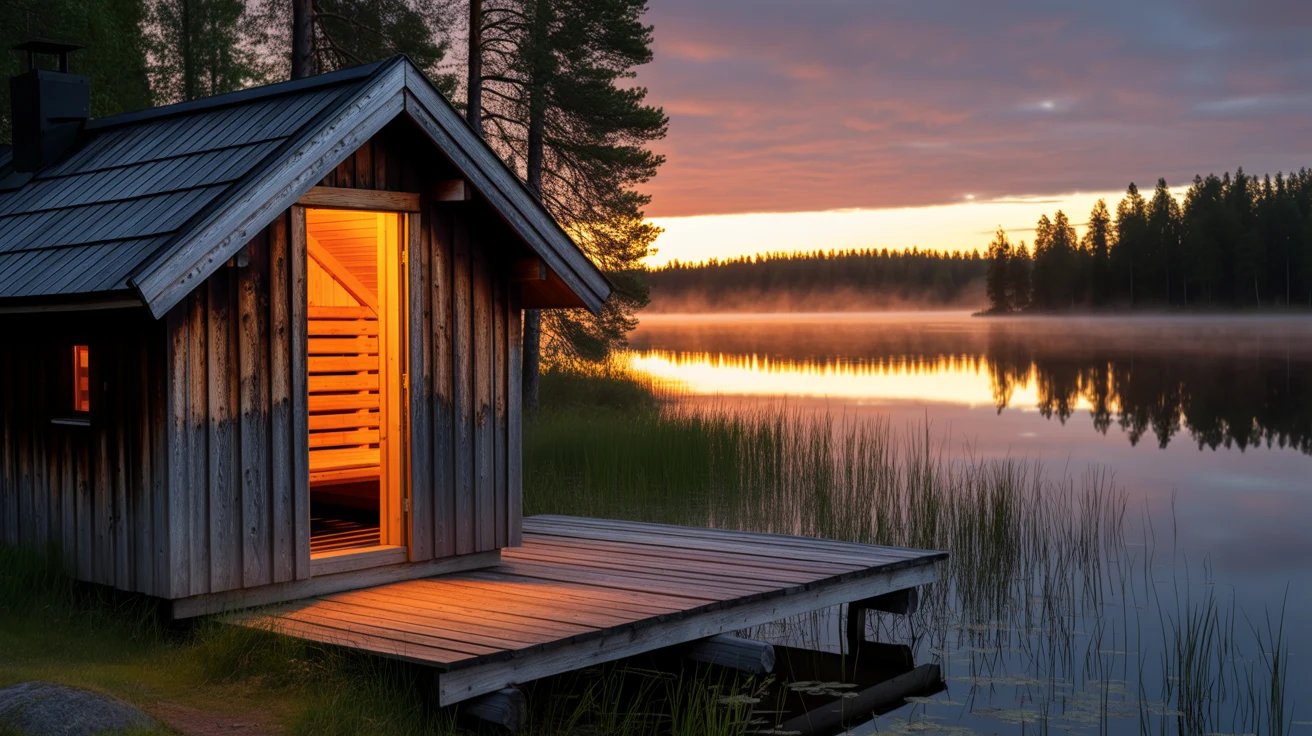
In winter you cool down with a bucket, a cold shower, or a hole cut in the ice. In summer none of that is necessary, because the lake is right there and it’s warm enough to stay in. This is the single biggest shift: the sauna is no longer the destination but the thing you do between swims.
You heat up, you walk to the dock, you go in. Then you sit on the warm boards dripping and talking, and after a while you go back into the heat to do it again. The lake swim carries its own technique and its own safety notes, especially around how your body handles the temperature swing, so I won’t duplicate that here beyond the obvious: don’t dive headfirst into unfamiliar water, and don’t go in alone after a heavy session.
Cottage weekends and the slower pace
The summer sauna is inseparable from the cottage sauna, the small lakeside building that anchors a Finnish summer weekend. Most of these are wood-fired, which suits the pace: you split the wood, you light the fire, and the 30 to 45 minutes it takes to heat is time you spend doing nothing in particular. That waiting is part of the point, not an inconvenience to engineer away.
The building type, its layout, and how the wood-fired heater works belong to that fuller cottage story. What matters for summer is the tempo. A cottage weekend has no schedule beyond the light, and the sauna sets the loosest possible clock: it’s ready when it’s ready, and you’re done when the lake stops calling you back in.
Is sauna worth it when it’s already hot?
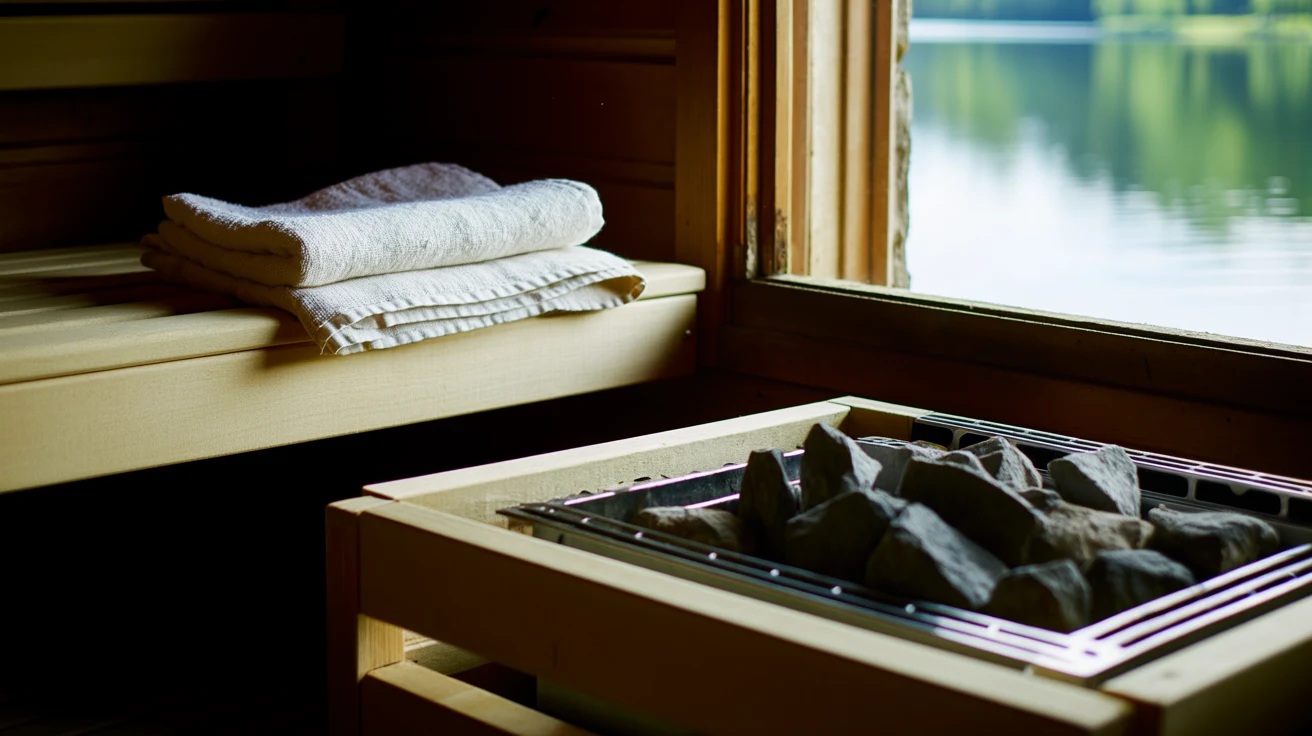
This is the honest question every visitor asks during a heatwave, and the answer is yes, though not for the reason you’d guess. Sitting in a 80°C (176°F) room when it’s already 28°C (82°F) outside sounds masochistic. The heat itself gives you less in summer than in winter, when a warm room is a genuine relief.
But the sauna was never only about the heat. It’s about the contrast, and the cool-down is the part your body actually remembers. Going from the heat straight into cool lake water produces the same sharp reset in July as it does in January. The lake is a few degrees cooler than the air, your skin has just been at 80°C, and the plunge lands hard and clean. In a heatwave the sauna still works because you’re not chasing the warmth. You’re buying the cold that follows it.
Practically, that means shorter rounds in hot weather. Ten minutes instead of fifteen, more time in the water, more time on the dock. Listen to your body, drink more than you think you need, and don’t treat a summer session as a test of endurance.
Fresh birch whisk season
Summer is also when the birch whisk is at its best. The vasta (a bundle of fresh birch branches used to gently switch the skin, called vihta in western Finland) is traditionally cut around midsummer, when the young leaves are soft, fragrant, and still tender enough not to sting. A whisk made from fresh summer birch smells like nothing else and is one of the small, specific pleasures of the season.
You can freeze or dry them to use through the year, but the fresh summer version is the reference standard everything else is measured against. The cutting timing, the varieties, and how to make one are covered in full in the whisk guide.
FAQ
Is it worth using a sauna in summer when it’s already hot?
Yes. The benefit in summer comes less from the heat and more from the cool-down that follows. Going from a hot sauna straight into cool lake or shower water produces a sharp, refreshing reset regardless of the outdoor temperature. In hot weather, run shorter rounds and spend more time in the water.
How do Finns cool down after a summer sauna?
In summer, cooling down almost always means swimming in a lake or the sea rather than using a cold tub or ice. The sauna sits by the water, and the session becomes a cycle of heating up, swimming, resting on the dock, and repeating. Warm summer lake water is still cool enough to deliver the contrast the body wants.
What time do Finns use the sauna in summer?
Later than in winter. With daylight stretching past 11 p.m. across much of Finland, summer sessions often start around nine or ten in the evening. The long light removes any reason to heat the sauna early, so it becomes the end-of-evening ritual before a final swim.
How often should you sauna in summer?
Less often and for shorter rounds than in winter. Many Finns drop to a single relaxed cottage session over a weekend rather than several a week, and individual rounds run shorter, often ten minutes instead of fifteen, with more time spent in the water between them.
When are birch whisks cut for summer sauna?
Fresh birch whisks are traditionally cut around midsummer in late June, when the young leaves are soft and fragrant but not yet stiff enough to sting. Whisks cut then can be used fresh or frozen and dried for use later in the year.