Vihta vs Vasta: The Finnish Birch Whisk
Some links on this page are affiliate links. If you buy through them, I earn a small commission at no extra cost to you. As an Amazon Associate I earn from qualifying purchases.
The internet will tell you that a vihta is a Finnish birch whisk used in the sauna. This is correct. The internet will also tell you that vasta is a Finnish birch whisk used in the sauna. This is also correct. They’re the same object – bundled fresh birch branches used for gentle self-flagellation between steam rounds. The only difference is which part of Finland you’re standing in when you say the word.
This distinction matters more to Finns than you’d expect. Ask someone from Helsinki whether they use a vihta or a vasta, and they’ll say vihta without hesitation. Ask someone from Kuopio the same question, and they’ll say vasta – and then quietly judge you for asking wrong. It’s a regional dialect split, not a product category, and understanding it tells you something real about Finnish sauna culture and how seriously Finns take their terminology.
Same Object, Different Word
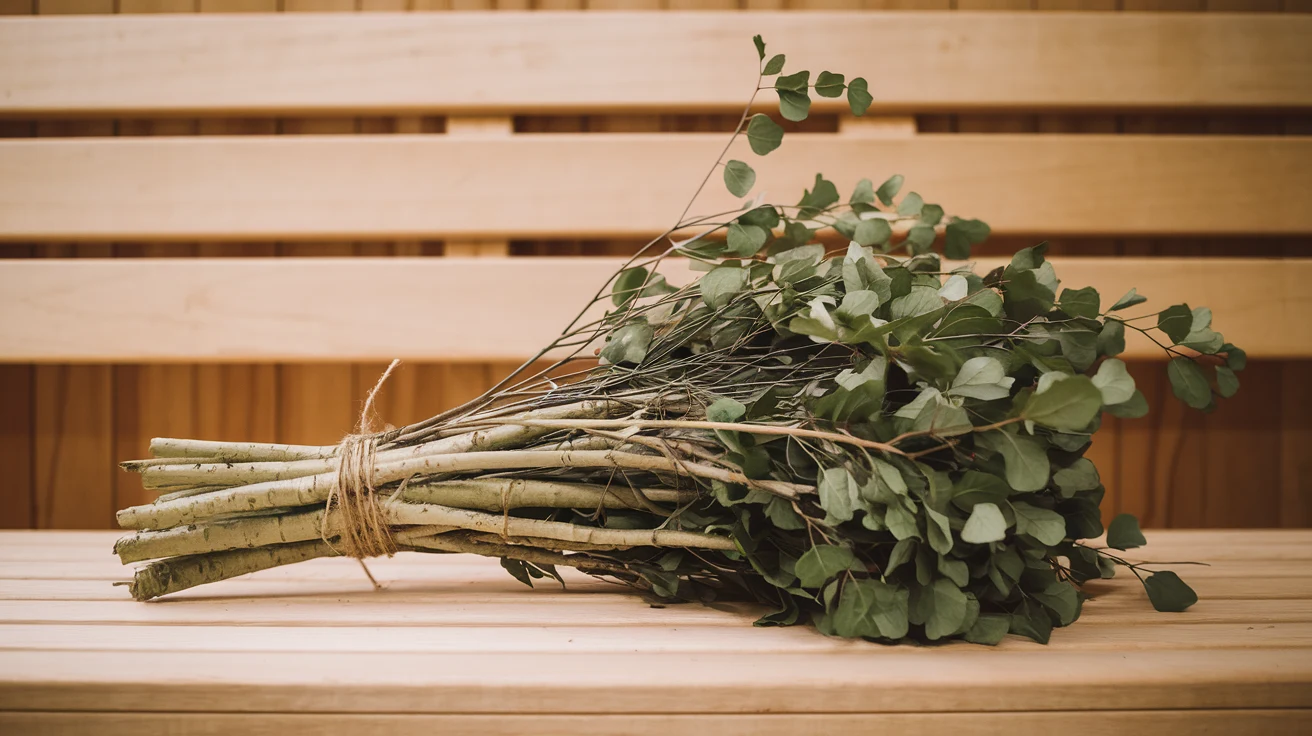
A vihta (or vasta) is a bundle of fresh birch branches, typically 30–50 centimeters long, tied together at the base to form a handle. The leaves are left intact – they’re the functional part. You soak it in warm water before use, and the leaves soften into something between a brush and a fan. The purpose is gentle rhythmic slapping against the skin during a sauna session, which promotes circulation, releases the scent of birch, and feels far better than it sounds.
The linguistic divide runs roughly along a line through central Finland. Western Finland – including Tampere, Turku, and Helsinki – uses vihta. Eastern Finland – Karelia, Savo, and cities like Kuopio – uses vasta. Since Helsinki is in the west, and Helsinki dominates Finnish media and international communication, vihta became the word that English-language sauna sites adopted. Most American retailers and sauna blogs use vihta exclusively, as if vasta doesn’t exist.
| Region | Term Used | Major Cities |
|---|---|---|
| Western Finland | Vihta | Helsinki, Tampere, Turku |
| Eastern Finland | Vasta | Kuopio, Joensuu, Savonlinna |
How a Birch Whisk Is Actually Used
The word “whipping” conjures images that are dramatically wrong. Using a vasta in the sauna is gentle – a rhythmic patting motion, not a beating. You hold the handle and lightly slap the bundle of wet leaves against your arms, legs, back, and shoulders. The leaves spread on contact, distributing warmth and moisture evenly across the skin. It’s closer to fanning yourself with a particularly fragrant branch than to anything that should concern you.
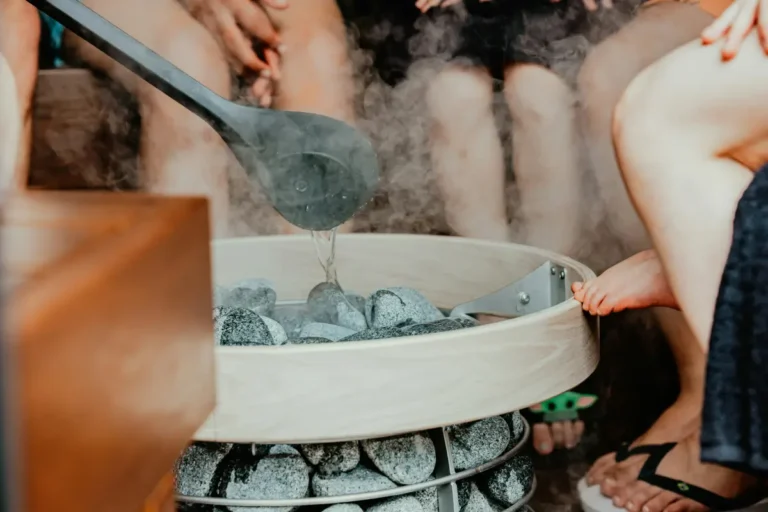
The effects are real, though. The gentle impact brings blood to the skin’s surface, improving circulation. The birch leaves release oils and a clean, slightly sweet aroma that blends with löyly – the steam from water thrown on the sauna stones. Between the warmth, the scent, and the rhythmic motion, it’s one of the most distinctive sensory experiences in a Finnish sauna. Many Finns consider a sauna session without a vasta incomplete.
Technique is minimal: soak the whisk in warm water for 10–15 minutes before your session. Start with lighter touches and work up to a comfortable rhythm. You can use it on yourself or – in the Finnish tradition – on a partner lying face-down on the bench. The person wielding the vasta controls the intensity entirely. If someone tells you it should hurt, they’re doing it wrong.
When to Cut: The Juhannus Tradition
In Finland, the traditional time to cut birch branches for sauna whisks is around Juhannus – midsummer, falling on the weekend closest to June 24th. This isn’t arbitrary. By late June, birch leaves have reached full size but are still young, flexible, and packed with oils. Cut too early and the leaves are small and fragile; cut too late and they’re tough and dry out quickly.
The Juhannus sauna is one of the most important sauna traditions in Finland, and fresh birch whisks are central to it. Families head to summer cottages, cut branches from nearby birch trees, bind them into whisks, and use them that same evening. The fresh-cut version is incomparably better than anything dried or preserved – the leaves are supple, the scent is intense, and the whole thing feels like it belongs in the sauna in a way that a shipped product never quite matches.
Finns who are serious about their sauna practice will cut extras at Juhannus and freeze them for use throughout the year. A frozen vasta, thawed and soaked, retains most of the quality of a fresh one – far better than air-dried versions, which lose their oils and become brittle.
Buying a Vihta Outside Finland
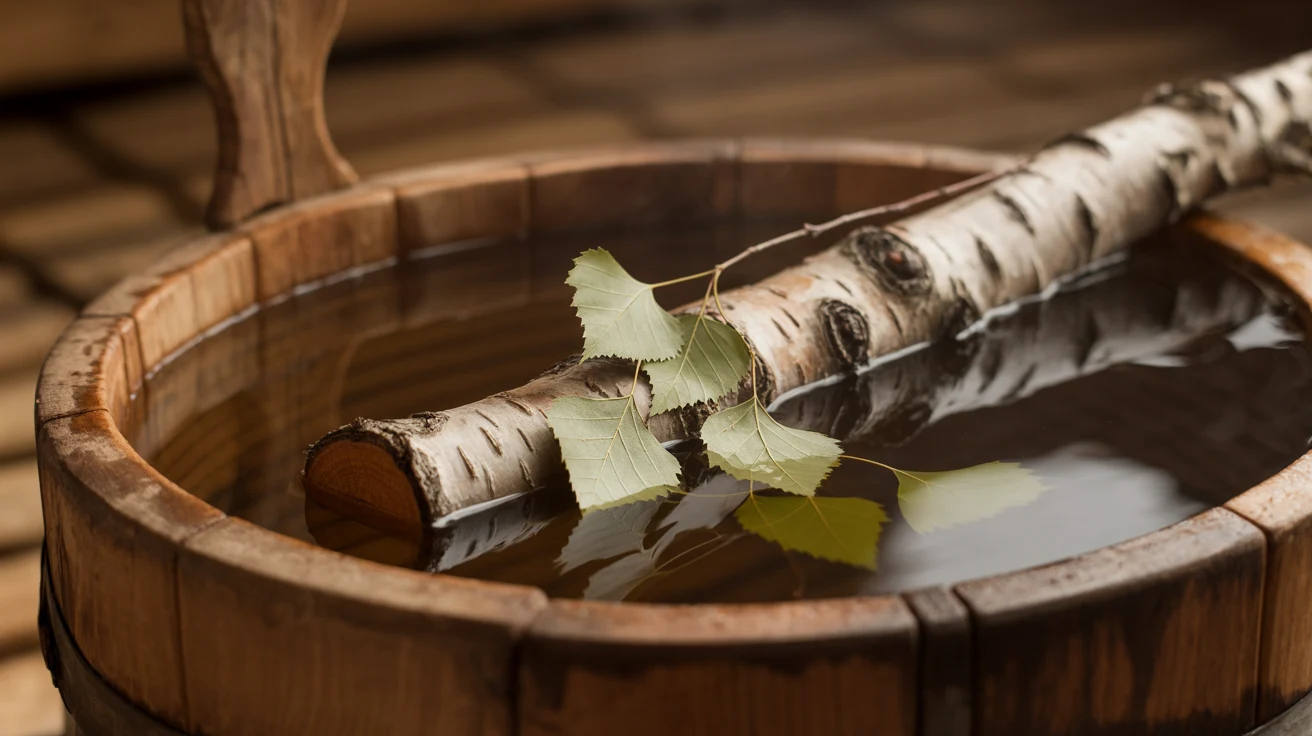
Unless you have birch trees in your yard and know when to cut them, you’re buying preserved versions. These come in two forms: dried and frozen. Dried birch whisks, like Rento’s dried whisk from Finland, are widely available from sauna supply retailers in the US and ship easily. They require longer soaking – 20 to 30 minutes in warm water – and the leaves never fully regain the suppleness of fresh-cut birch, but they work. The aroma is milder, the leaves are more fragile, and you’ll lose some to crumbling. They’re still worth using.
Frozen whisks are harder to find but meaningfully better. A few specialty importers ship them, and some Nordic grocery stores in areas with Finnish-American populations carry them seasonally. If you can get frozen, get frozen. The difference between dried and frozen is larger than the difference between frozen and fresh.
Beyond Birch: Other Woods
Birch is the default, but it’s not the only option. In Finland, oak whisks appear occasionally – they’re sturdier and last longer per session, though the aroma is less distinctive. Vasta made from oak has a firmer feel against the skin, which some people prefer. In the Russian banya tradition, oak whisks (venik) are actually more common than birch.
Eucalyptus whisks have appeared in American and Australian sauna communities. They produce a strong, mentholated aroma that opens the sinuses – a completely different sensory profile from birch. They work well in the sauna, though a Finn would point out that they’re not really a vasta at that point. They’re a eucalyptus bundle you happen to use in a sauna. The distinction may seem pedantic, but the birch is the tradition, and the tradition is what gives the ritual its meaning.
Juniper whisks exist in some Baltic traditions and are notably more aggressive – the needles are stiff and prickly. These are not for beginners. They’re for people who have already decided that a gentle birch patting isn’t enough stimulation, which is a personality type that exists in every sauna culture.
Why the Name Debate Matters
The vihta-vasta divide is a small window into something larger: regional identity in Finland is deeply tied to sauna practice. The way you build your kiuas (sauna stove), the temperature you prefer, whether you cool down in a lake or just stand outside – these aren’t just preferences. They’re markers of where you’re from and how you were raised. Getting the terminology right signals respect for that specificity.
For non-Finnish sauna enthusiasts, the practical takeaway is simple. On this site, we use vasta as the primary term, with vihta mentioned as the western Finnish equivalent – because English-language sauna culture already over-indexes on vihta, and the eastern word deserves equal standing. Use whichever you prefer. Just know that both are correct, neither is more “authentic” than the other, and the birch whisk itself is the point. The word is just the door you walk through to get there.
FAQ
What’s the difference between vihta and vasta?
There is no difference in the object itself – both words refer to the same bundled birch branch whisk used in Finnish saunas. Vihta is the word used in western Finland (Helsinki, Tampere, Turku), while vasta is used in eastern Finland (Kuopio, Karelia, Savo). It’s a regional dialect distinction, not a product difference.
How do you use a sauna birch whisk?
Soak the birch whisk in warm water for 10–15 minutes (longer for dried versions). In the sauna, use a gentle, rhythmic patting motion against your skin – arms, legs, back, and shoulders. The motion should be light enough to be pleasant, not painful. The wet leaves promote circulation, release birch oils, and create a distinctive aroma that blends with the steam.
Can you buy vihta in the US?
Yes. Dried birch whisks are available from most online sauna supply retailers and ship easily within the US. Frozen versions are harder to find but significantly better in quality – check specialty Nordic importers or Finnish-American community stores. If you have access to birch trees, cutting your own in late June produces the best results.
When should you cut birch branches for sauna whisks?
The traditional cutting time is around Juhannus (Finnish midsummer, late June). At this point, birch leaves are fully developed but still young and flexible, with high oil content. Cut extras and freeze them for year-round use – frozen whisks retain most of the quality of fresh-cut ones.
What other types of wood can be used for sauna whisks?
Oak is the most common alternative – sturdier than birch with a firmer feel, and traditional in Russian banya culture. Eucalyptus produces a strong mentholated aroma and works well but isn’t part of Finnish tradition. Juniper is used in some Baltic traditions but is notably more aggressive due to its stiff needles and isn’t recommended for beginners.