Sauna in Finnish Everyday Life
Finland has roughly 3 million saunas for a population of 5.5 million. That’s more saunas than cars. The average Finn takes a sauna at least once or twice a week – not as a luxury, not as a wellness trend, but the way you or I might take a shower or pour a cup of coffee. It’s infrastructure. It’s Tuesday.
Understanding how Finns actually use their saunas – the when, where, and with whom – is the fastest way to understand why this isn’t a spa ritual. It’s a utility woven so deeply into daily life that removing it would be like removing hot water from American homes. Technically survivable. Practically unthinkable.
The Weekly Rhythm: Saturday Sauna and Beyond
The traditional Finnish sauna day is Saturday. Saturday evening sauna is so deeply embedded that it functions as a weekly anchor. Families heat the sauna in the late afternoon, and the ritual extends through the evening: sauna rounds, cool-downs, food, rest.
But modern Finns don’t limit themselves to Saturdays. Most take 1–2 sessions per week at minimum, and many sauna more often. The pattern depends on what type of sauna is available.
Apartment dwellers with a communal sauna might book their regular Tuesday and Friday slots. Homeowners with a private sauna in the bathroom might step in four or five evenings a week, the same way you’d take a bath. Cottage owners save longer, more elaborate sessions for weekends.
The typical home session runs 2–3 rounds of 10–20 minutes each at 70–100°C (158–212°F), with cool-down breaks between rounds. There’s no timer anxiety. You stay until you feel done, step out, cool down, go back in if you want. The rhythm is yours.
Apartment Building Saunas: Booking Your Weekly Slot
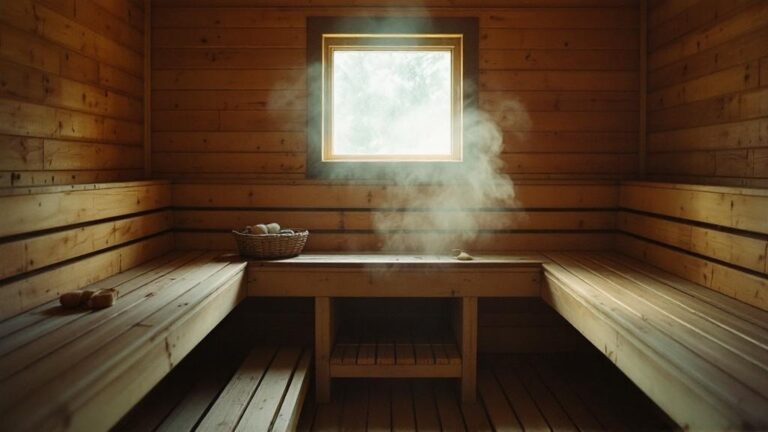
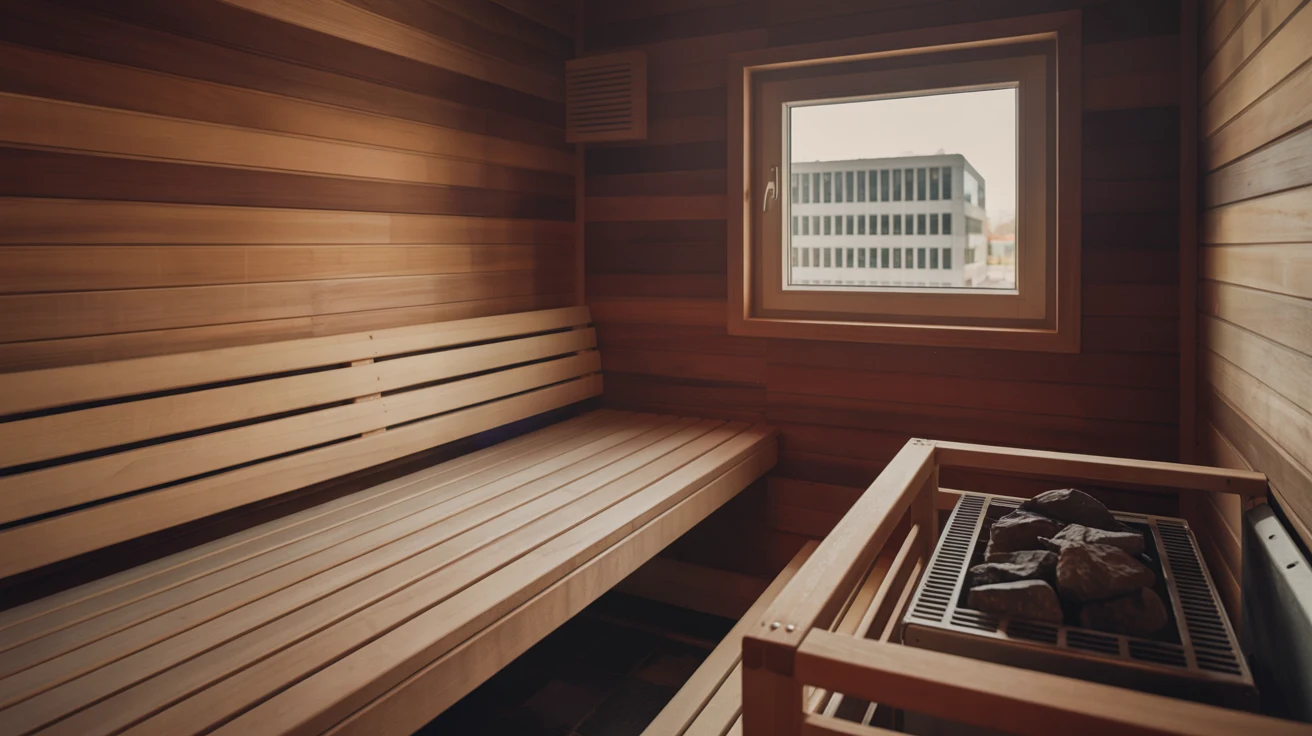
Here’s something that surprises most visitors: the majority of Finnish apartment buildings have a communal sauna in the basement or ground floor. Not a gym sauna – a proper wood-lined room with a kiuas (sauna heater) and benches, maintained by the housing cooperative the same way they maintain the elevator or parking lot.
Residents book time slots, typically in one-hour blocks. A family might have their regular Thursday 6 PM booking all year. The schedule lives on a clipboard in the laundry room or, increasingly, on a building app.
Your slot is your slot. You heat the sauna yourself, use it, and leave it clean for the next person. Some buildings charge a small monthly fee; many include it in maintenance costs.
These communal saunas are gender-separated by time slot or used by individual families during their booking. The etiquette is: show up on time, shower before entering, sit on your own towel or a pefletti (disposable seat cover), and don’t run over your hour. Finns are precise about booking times the way other cultures are precise about parking spots.
The Cottage Sauna: Where Daily Life Slows Down
Finland has around 500,000 summer cottages – mökki in Finnish – and nearly all of them have a sauna. For many families, the cottage sauna is the real sauna, the one that carries emotional weight. The apartment building’s sauna heater handles maintenance; the cottage sauna handles meaning.
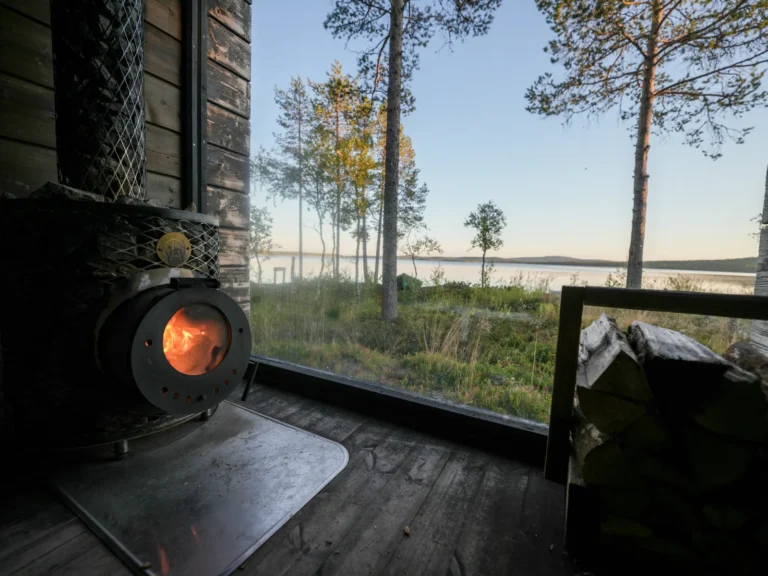
Cottage saunas are often wood-fired, which changes the entire experience. Heating takes 30–45 minutes. Someone has to chop kindling, manage the fire, monitor the stones.
The process itself is part of the ritual – a physical task that marks the transition from city brain to cottage brain. By the time the sauna is ready, you’ve already slowed down. The oldest cottages still keep a savusauna, the chimneyless smoke sauna heated for hours and then aired out before use, and its soot-darkened walls and soft heat are what many older Finns mean when they talk about a proper sauna.
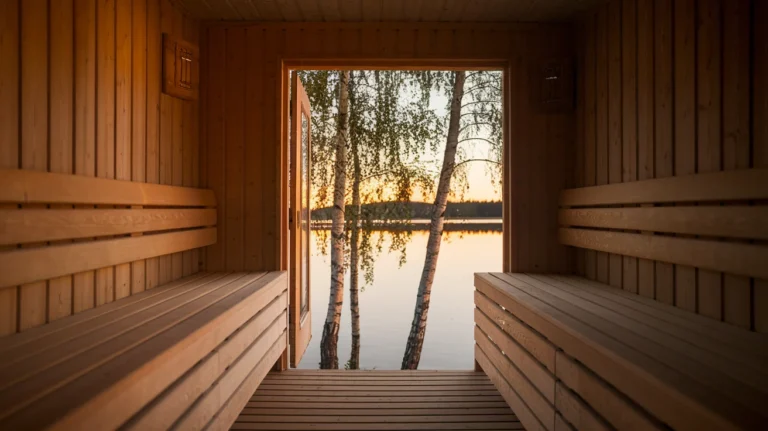
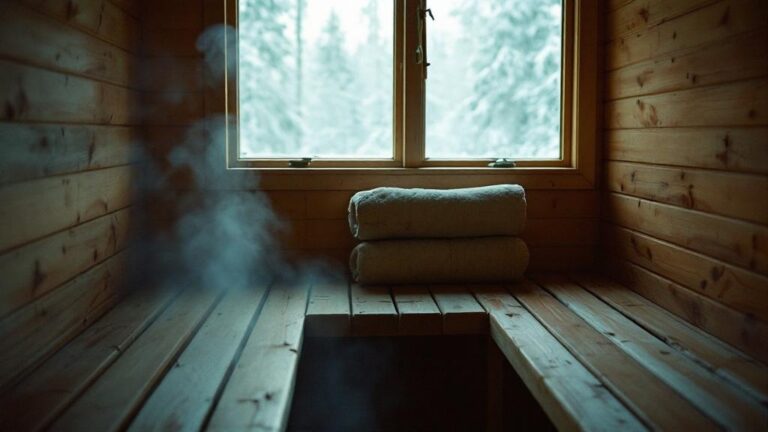
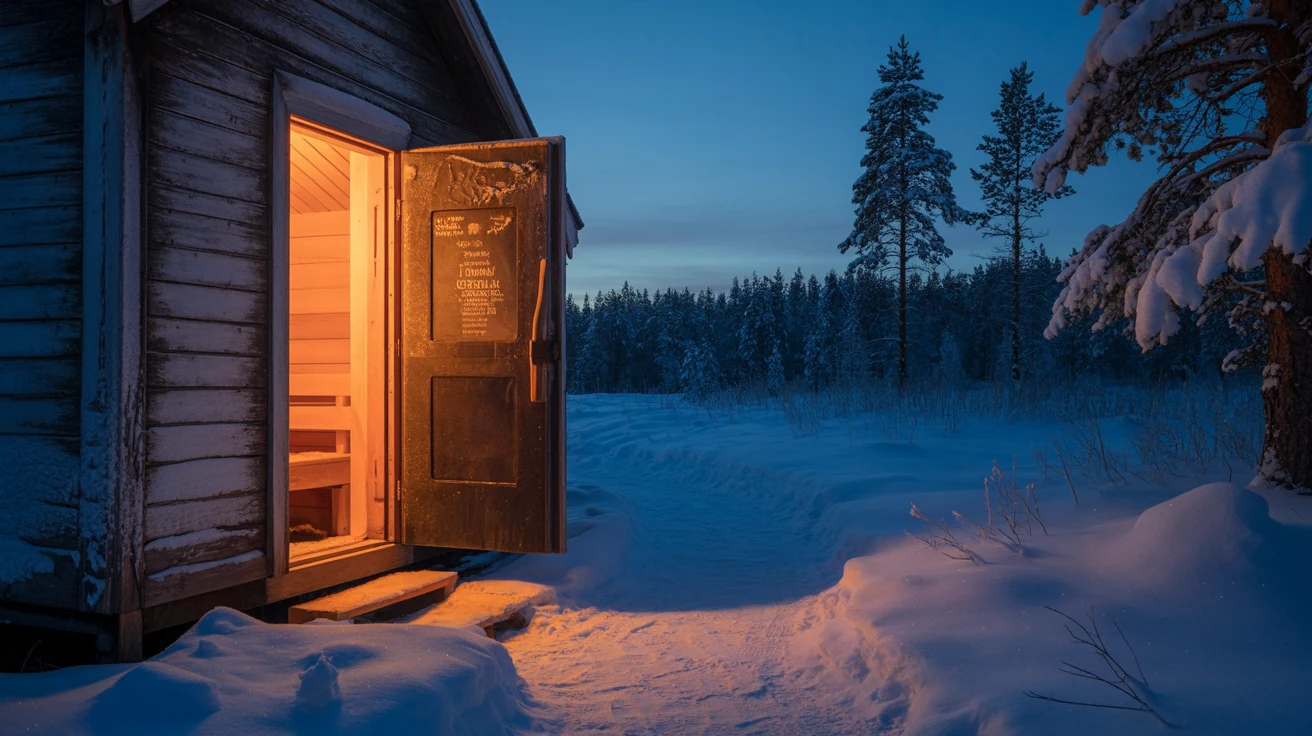
The classic summer cottage sauna cycle: heat the sauna, swim in the lake, sauna again, swim again, sit on the dock while the light fades. In summer, this happens under a sky that never fully darkens. In winter, it happens under stars, with the lake replaced by a hole cut in the ice – avanto – or a roll in the snow. The löyly (the burst of steam when water hits the stones) feels different in a wood-fired sauna: softer, rounder, with a faint smoke undertone even in a clean-burning stove.
A vasta (birch whisk, called vihta in western Finland) often comes out at the cottage. You gently beat your skin with the wet birch leaves – it improves circulation, releases a green forest scent, and feels far better than it sounds. Fresh vastas are made in early summer and frozen for year-round use. Afterward, many Finns crack open a beer on the cooling bench – a tradition with its own unwritten rules.
Workplace Saunas: Yes, Really
Finnish corporate buildings, government offices, and military facilities routinely include saunas. The Finnish parliament building has one. Nokia’s headquarters have one. Your local tax office might have one. This isn’t quirky corporate culture – it’s standard Finnish building design.
Workplace saunas serve two functions. The everyday function: employees use them after work, especially those who exercise during lunch or cycle to the office. The social function: negotiations, team events, and client meetings move to the sauna the way American business might move to a golf course. The Finnish Sauna Society notes that sauna has historically been the space where hierarchy flattens – it’s hard to maintain corporate stiffness when everyone is sitting on a wooden bench in the steam.
In practice, workplace sauna sessions are typically same-gender or offered at separate times. Participation is never mandatory, and younger Finnish professionals are somewhat less automatic about work-sauna attendance than previous generations. But the sauna is still there, still heated, still used.
Sauna at Life’s Major Moments
In Finland, sauna marks the transitions that matter. This goes back centuries, and while the specifics have evolved, the pattern holds: when something important happens, you heat the sauna.
Birth. Until hospital births became standard in the mid-20th century, Finnish women commonly gave birth in the sauna. It was the cleanest, warmest room in the house. The practice has faded, but the cultural memory hasn’t – many Finns will tell you their grandmother was born in a sauna, and they say it with pride, not embarrassment.
Marriage. The pre-wedding sauna is still a living tradition. Brides and grooms take a sauna before the ceremony, sometimes together, sometimes separately with their wedding party. It’s equal parts practical (you’re clean, you’re calm) and symbolic (you’re crossing a threshold).
Death. Traditionally, the deceased were washed in the sauna before burial. This practice has largely moved to funeral homes, but the association between sauna and the passage between states – dirty to clean, tense to relaxed, one life stage to the next – remains deeply embedded.
Christmas. Joulusauna, the Christmas Eve sauna, is one of Finland’s most widely observed traditions. You heat the sauna in the afternoon, take a long session, and emerge clean for the evening’s celebrations. It’s the dividing line between preparation and festivity. The UNESCO recognition of Finnish sauna culture specifically highlights these life-moment traditions as part of what makes the practice culturally significant.
Midsummer. Juhannussauna, taken at the summer solstice, is the other bookend – the longest day paired with the longest sauna session of the year. At the cottage, by the lake, under a sky that refuses to go dark.
What “Everyday” Actually Means
The common thread across all of these settings – apartment, cottage, office, life event – is that sauna isn’t an addition to Finnish life. It’s the baseline. The question isn’t “Do you sauna?” but “Where do you sauna?” and “When is your slot?”
This is why Finnish sauna culture, recognized by UNESCO as intangible cultural heritage in 2020, isn’t about the room or the heater. It’s about the pattern: a regular, repeated practice of stopping, heating, sweating, cooling, and resuming life slightly quieter than you started.
The Finns built 3 million rooms specifically for this purpose. In Finland, the sauna is where business deals happen. Also arguments. Also reconciliation.
For the rest of us, the takeaway is simpler than it seems. You don’t need a lake or a cottage or a booking clipboard. You need a sauna, a routine, and the willingness to sit still for twenty minutes. The Finns figured out a long time ago that this is enough.
FAQ
How often do Finns use the sauna?
The average Finn takes a sauna at least 1–2 times per week. Many sauna more frequently, especially those with a private sauna in their home or apartment. Saturday evening remains the traditional sauna day, but modern Finns fit sessions throughout the week based on their schedule and sauna access.
Do Finnish apartments have saunas?
Yes. Most Finnish apartment buildings include a communal sauna in the basement or ground floor, maintained by the housing cooperative. Residents book one-hour time slots on a regular schedule. Many newer apartments also include a small private electric sauna built into the bathroom.
What is a Finnish cottage sauna like?
Finnish cottage (mökki) saunas are typically wood-fired and located near a lake. The experience involves heating the sauna over 30–45 minutes, then alternating between sauna rounds and swimming or cooling off outdoors. Birch whisks (vasta) are commonly used, and sessions tend to be longer and more relaxed than everyday home saunas.
Do Finnish workplaces have saunas?
Many do. Finnish corporate offices, government buildings, and even the parliament building include saunas. They’re used for post-work relaxation, social events, and sometimes client meetings. Participation is voluntary, and sessions are typically organized by gender or scheduled at separate times.
Why is sauna important in Finnish culture?
Sauna is woven into every stage of Finnish life – from weekly routines to major milestones like births, weddings, Christmas, and midsummer. UNESCO recognized Finnish sauna culture as intangible cultural heritage in 2020, acknowledging its role as a social equalizer and a practice that spans all ages, classes, and life stages.