Saunatonttu: The Finnish Sauna Elf
Every Finnish sauna has an owner you never see. The saunatonttu (sauna elf or sauna gnome) is a guardian spirit from Finnish folklore – a small, bearded creature who lives under the sauna benches or behind the stove and watches over the building and everyone in it. Treat the sauna well, and the saunatonttu keeps things running smoothly. Disrespect it, and you might find your sauna burning down.
That sounds dramatic, but Finnish folklore doesn’t do subtle. The saunatonttu belongs to a tradition where buildings and land had their own spirits, and the sauna – the most sacred room in Finnish life – naturally got the most powerful one.
What Is a Saunatonttu?
A tonttu is a Finnish household spirit, roughly equivalent to a Scandinavian tomte or nisse. Every significant building on a Finnish farmstead had its own tonttu: the barn had a navettantonttu, the house had a kotitonttu, and the sauna had the saunatonttu. Among these, the saunatonttu held a special position because the sauna itself was special – it was the cleanest building on the property, the place where women gave birth, where the dead were washed, and where healing rituals happened.
The saunatonttu is typically described as a small, elderly figure – bearded, grey-haired, sometimes naked, sometimes wrapped in a towel. It lives permanently in the sauna and is most active when humans aren’t around. You won’t see it. That’s the point. The relationship is one of mutual respect conducted entirely through behavior, not conversation.
Pagan Roots and Early Records
The saunatonttu predates Christianity in Finland by centuries, rooted in the animistic beliefs of pre-Christian Finns who saw spirits in every part of the natural and built landscape. The sauna was already the most spiritually charged space in Finnish life – a liminal place between the everyday world and something older – so its guardian spirit carried serious weight.
First written records describing the saunatonttu date to the 1800s, when Finnish folklorists began documenting oral traditions that had been passed down for generations. But the beliefs themselves are much older, part of a worldview where the boundary between the physical and spiritual was thinnest in places of heat, water, and nakedness. The Finnish sauna was all three.
The sauna’s role as birthplace and deathbed made the saunatonttu more than a household convenience spirit. It was a guardian at the thresholds of life itself. This is why disrespecting the sauna was treated as genuinely dangerous, not merely rude.
The Rules: How to Keep a Saunatonttu Happy
Finnish folklore is specific about what the saunatonttu expects, and the list maps neatly onto practical sauna care:
- Leave the last turn for the tonttu. After the family finishes bathing, leave water and heat for the saunatonttu to take its own turn. This was the most universal rule.
- Don’t be loud or crude. The sauna is a place of saunarauha (sauna peace) – quiet, calm, respectful behavior. Shouting, fighting, or drunkenness offends the tonttu.
- Keep it clean. A filthy sauna insults its guardian. Wash the benches, clear the ashes, maintain the room.
- Don’t bathe too late at night. After midnight, the sauna belongs to the spirits. Humans who lingered past midnight were asking for trouble.
- Greet the sauna when you enter. A quiet acknowledgment – not a performance – that you’re entering someone else’s space.
What Happens When You Break the Rules
The saunatonttu’s punishments scaled with the offense. Minor disrespect – noise, messiness – might earn you a splash of boiling water, unexplained burns, or an uncomfortable heat that wouldn’t relent. Persistent disrespect brought worse: illness, bad luck, or the tonttu leaving the sauna entirely, which was the worst outcome of all.
A sauna without its tonttu was considered unprotected and prone to fires. In a country of wooden buildings and open flames, this wasn’t abstract – sauna fires were a real and common danger. The folklore encoded a practical truth: a neglected sauna is a fire hazard. The tonttu gave that truth teeth.
Some traditions held that the saunatonttu could also punish people who used the sauna for immoral purposes – lying, cursing, or conducting harmful magic. The sauna was sacred ground. You behaved accordingly, or the small bearded thing under the bench would make you regret it.
The Saunatonttu Today
Modern Finns don’t believe a literal elf lives under their sauna bench. But they reference the saunatonttu more often than you’d expect – half-jokingly, the way someone knocks on wood without thinking they’re warding off spirits. When a Finn says “leave some heat for the tonttu,” they’re smiling, but they’re also not entirely joking. The tradition carries real weight about how you treat the sauna.
The saunatonttu has also become a fixture of Finnish Christmas culture. Small ceramic or wooden tonttu figurines – bearded gnomes in pointed hats, often holding tiny sauna buckets – are popular decorations and gifts. The joulusauna (Christmas Eve sauna) is one of the occasions when the tonttu tradition feels most alive, as families heat the sauna, bathe in a specific order, and leave the sauna ready for its unseen guardian.
You’ll find saunatonttu figurines in sauna gift shops across Finland, on Christmas cards, and increasingly as decorative items that non-Finns buy without knowing the backstory. There’s something appealing about a tiny, grumpy protector who demands you keep things clean and stay quiet. Especially in a world full of noise.
Saunarauha and the Saunatonttu Connection
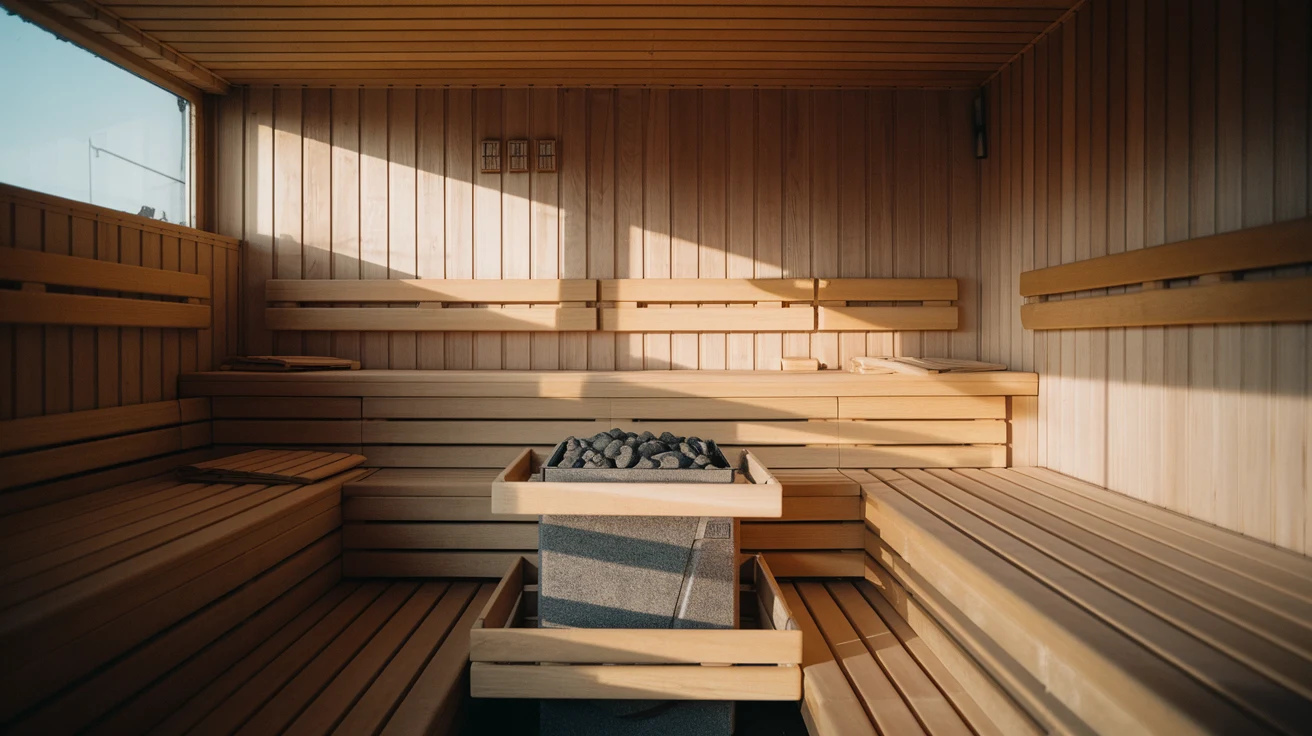
The concept of saunarauha (sauna peace) – the expectation of quiet, respect, and a near-sacred calm inside the sauna – makes a lot more sense when you know about the saunatonttu. The peace isn’t just a social preference. It’s what the guardian spirit demands. Even after belief in the literal spirit faded, the behavioral code it enforced stayed intact.
This is how Finnish sauna culture works in general: the spiritual framework may have softened, but the practices it produced are still observed, still taken seriously, and still passed from one generation to the next. The saunatonttu is the reason. Or at least, it was the reason long enough that the behavior became self-sustaining.
In Finland, the sauna was inscribed on UNESCO’s Intangible Cultural Heritage list in 2020. The listing mentions the sauna’s role as a space of physical and mental purification – a description the saunatonttu would approve of, assuming it was satisfied with the UNESCO committee’s behavior during the vote.
FAQ
What is a saunatonttu?
A saunatonttu is a guardian spirit from Finnish folklore – a small, bearded elf or gnome believed to live in the sauna. It protects the building and its users, provided they treat the sauna with respect. It belongs to a broader Finnish tradition of household spirits called tonttu.
Do Finnish people still believe in the saunatonttu?
Not literally, no. But the saunatonttu is referenced often in a half-joking, half-serious way – similar to knocking on wood. The behavioral rules the tonttu enforced (keep the sauna clean, stay quiet, don’t be disrespectful) are still widely practiced as core sauna etiquette.
What happens if you disrespect the saunatonttu?
According to folklore, the saunatonttu could cause burns, illness, or bad luck. The most feared punishment was the tonttu abandoning the sauna entirely, leaving it unprotected and vulnerable to fire. These stories encoded practical wisdom about sauna maintenance and fire safety.
Where can I buy a saunatonttu figurine?
Saunatonttu figurines are widely available in Finnish gift shops, Christmas markets, and online retailers specializing in Scandinavian or Finnish goods. They’re typically ceramic or wood, depicting a small bearded gnome with a sauna bucket or towel. They make excellent gifts for sauna enthusiasts.
What is the connection between saunatonttu and saunarauha?
Saunarauha (sauna peace) – the expectation of quiet, calm, and respect inside the sauna – was originally enforced by the saunatonttu. The spirit demanded respectful behavior, and violators faced consequences. Even though literal belief has faded, the behavioral code the tonttu established remains the foundation of Finnish sauna etiquette.