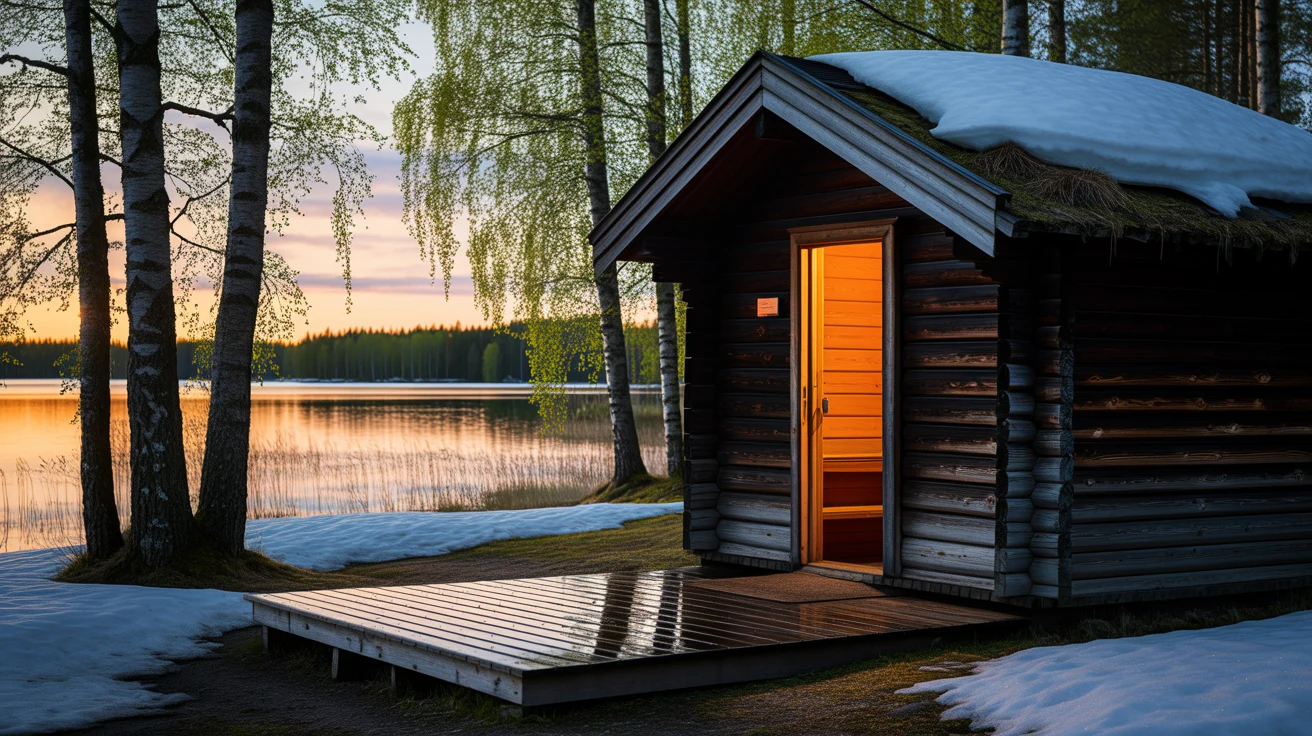
Autumn and Spring Sauna: The Shoulder-Season Reset
The sauna habit doesn’t get made in January. It gets made in September, when the light starts sliding away earlier each evening and the bench quietly starts pulling you back. Autumn is the real new year for a sauna routine, more than any resolution you’ll make in the cold. The heat feels like a reward again instead of an afterthought.
The shoulder seasons, autumn and spring, are the two hinges of the sauna year. One ramps you back up as the weather cools; the other airs everything out as winter loosens its grip. Both are gentler on-ramps than the extremes, and both do quiet work on the habit that the deep-freeze and the heat wave never manage.
Autumn: the cosy reset
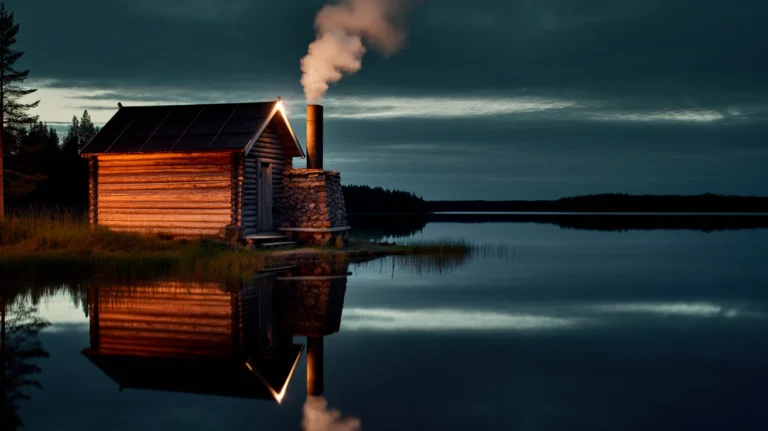
Summer is the season of the lighter sauna, when you go less often and the water is right there for a swim afterward. By late August that pattern starts to feel thin. The evenings darken, the air turns sharp on the walk to the sauna, and the whole thing regains the point it loses in July: you are cold, and then you are not.
This is when frequency climbs back up. A summer once-a-weeker becomes an autumn twice-or-three-times person without any real decision being made. The cold does the recruiting. There’s a specific kind of contentment in stepping from a raw, damp evening into 80°C (176°F), and autumn hands it to you for free.
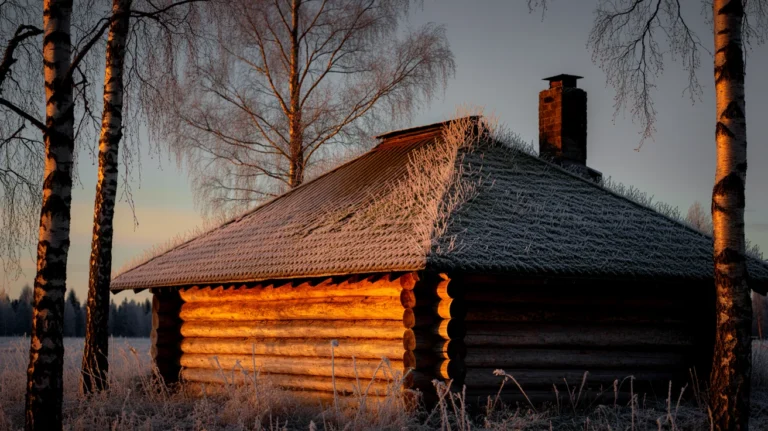
In Finland this stretch coincides with ruska (the autumn foliage season, when the birches and rowans turn yellow and red). A sauna window framed by that color, with the light failing outside and the stones ticking as they heat, is about as good as the shoulder season gets. You don’t need to be in Lapland for it. Any birch outside a window will do the job.
Spring: the first proper airing
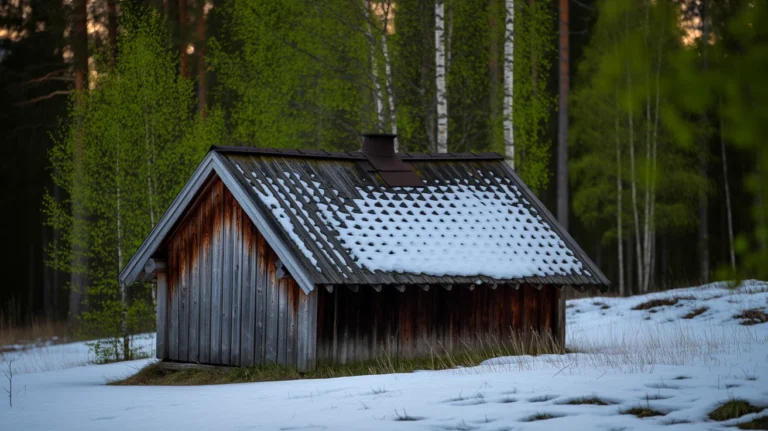
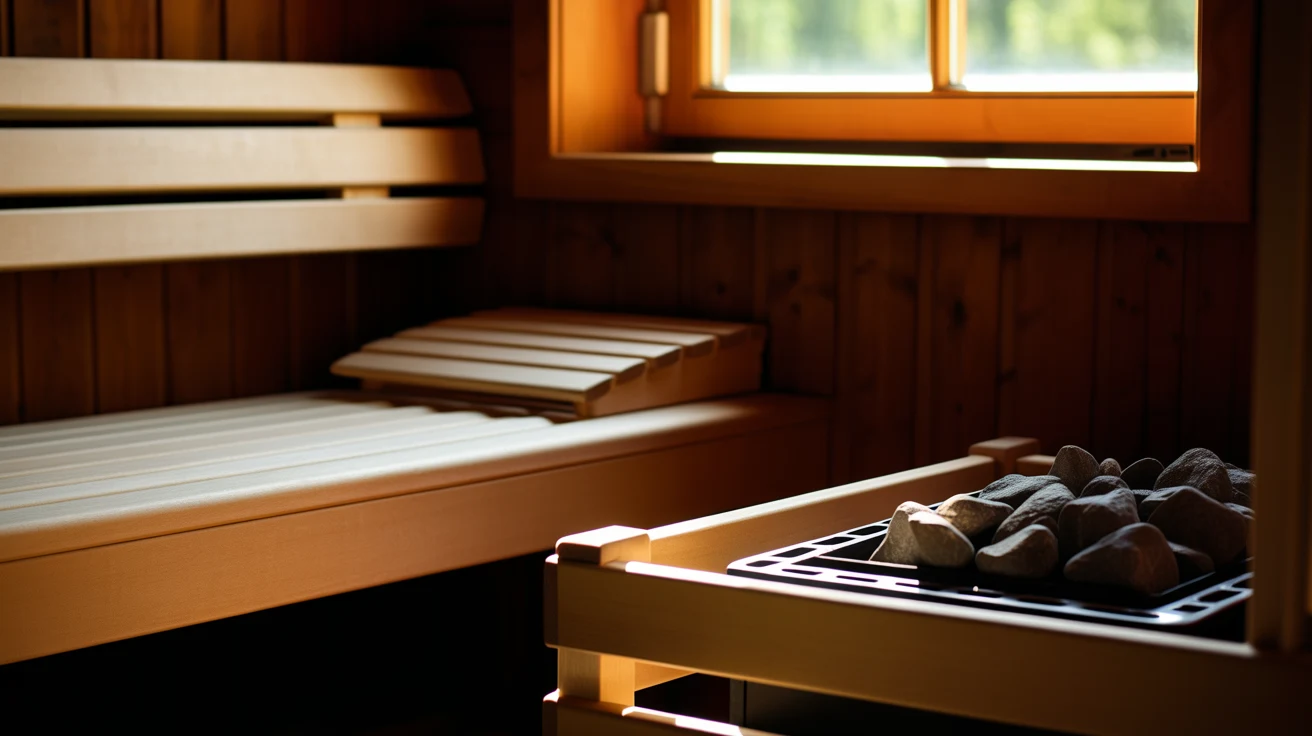
Spring is autumn’s mirror image. After a winter of heavy use, sealed windows, and short cold-plunge dashes to the snow, the sauna needs to breathe. The first warm-enough day is when you throw the window open mid-session for the first time in months and let outside air move through the room while it’s hot.
That first open-window session is a small event. The room smells different afterward, the trapped stuffiness of winter clears out, and the cool air against hot skin is a different pleasure than the deep-freeze plunge you’ve been doing. It’s the season easing off, and the sauna eases off with it.
Spring is also when heavy winter use naturally tapers. You still go, but the sessions get shorter and the cool-downs move from “roll in the snow” to “sit on the step and listen to the birds.” The rhythm of the sauna year is at its most relaxed here, between the demands of winter and the swim-heavy pull of summer.
Why cool weather is the easy on-ramp
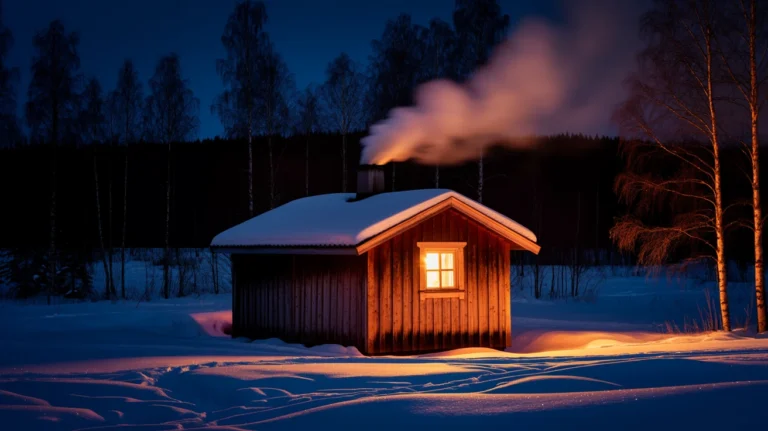
If you’re new to sauna, the shoulder seasons are the best time to start, and it isn’t close. Deep winter is intimidating: the outdoor sauna takes ages to reach temperature, the walk out is grim, and the cold plunge is a serious commitment. High summer is the opposite problem, when you’re already warm and the contrast that makes sauna work is muted.
Cool-but-not-freezing weather sits in the sweet spot. It’s cold enough that the heat feels like relief and the cool-down feels refreshing rather than shocking. You get the full contrast, the reason people keep coming back, without any of the barriers that make the extremes hard for beginners. Start in October or April and by the time you hit your first proper winter you’ll actually want it.
Shoulder-season upkeep
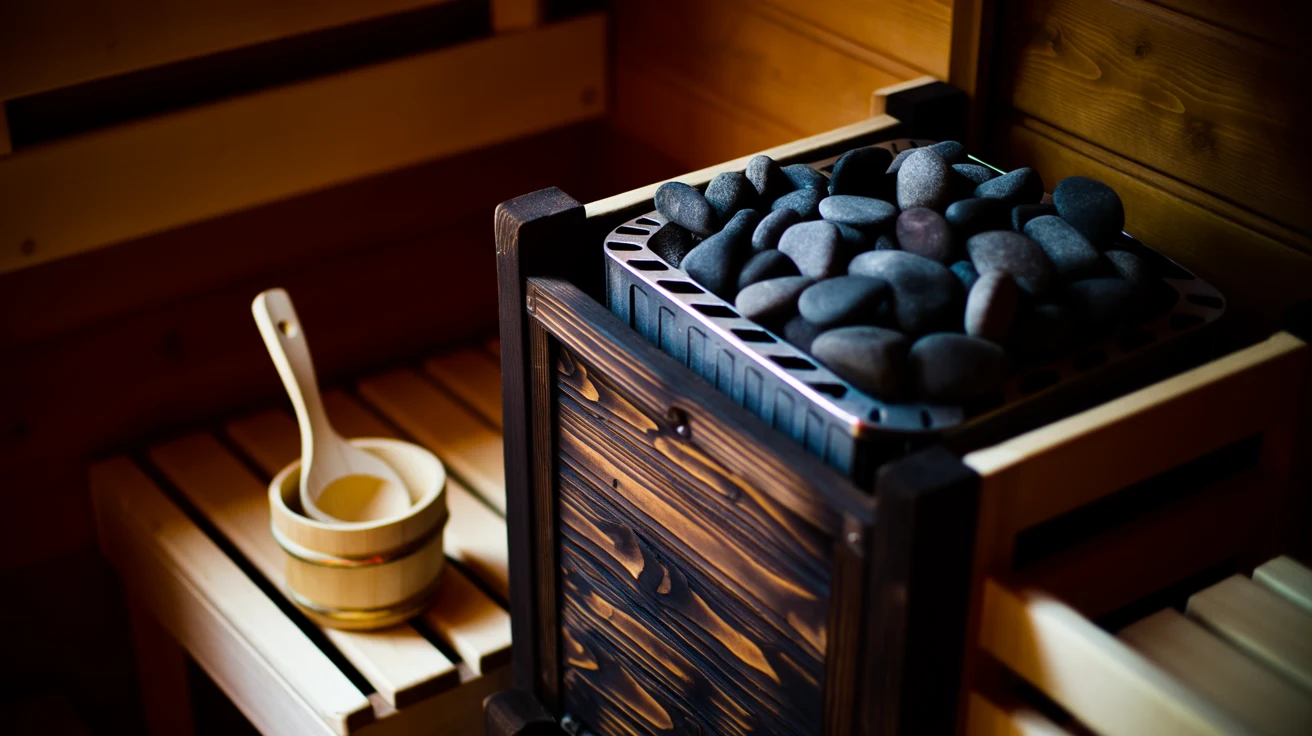
The changeovers are the natural moments to check on the sauna itself. Autumn is when you make sure the heater and stones are ready for heavy use; spring is when you clean out a winter’s worth of accumulated grime and damp. I won’t repeat the whole routine here, but the shoulder seasons are the two reminders on the calendar that your sauna maintenance is due.
For anyone with an outdoor build, these transitions carry a bit more weight. The autumn ramp-up and the spring airing are also the practical bookends for closing down and reopening an outdoor sauna, where freeze protection and drainage actually matter. Indoor saunas get off easier: they mostly just need the seasonal clean.
The light and the mood
There’s a reason the bench pulls harder as the days shorten. The shoulder seasons are when the light shifts fastest, and a warm, low-lit room at the end of a dark evening does something for how the whole day lands. I’ll keep this light and leave the evidence where it belongs: if you want the research on sauna, stress and mood, that’s covered properly elsewhere, with the studies attached and the appropriate caveats.
What I’ll say here is only what’s obvious from the bench: coming in from the dark to sit in the heat for twenty minutes is a good way to end an autumn evening. The Finnish Sauna Society would tell you the same, in more words. Whether that’s mood regulation or just a nice habit, I’ll let you decide.
FAQ
Is autumn a good time to start using a sauna?
Yes, autumn is arguably the best time to start. Cool-but-not-freezing weather gives you the heat-then-cold contrast that makes sauna satisfying, without the barriers of deep winter or the muted contrast of summer. Start in autumn and the habit is usually locked in before real cold arrives.
How often should I use the sauna in autumn?
Most people naturally drift from a summer once-a-week to two or three times a week as autumn cools down. There’s no fixed number; the cold does the recruiting. Follow what feels good rather than forcing a schedule.
What is a spring airing-out session?
It’s the first warm-enough day when you open the sauna window mid-session and let outside air move through the hot room, clearing out the trapped stuffiness of a winter spent with everything sealed shut. It’s a small ritual that marks the season easing off.
Why does cool weather make sauna feel better than summer?
Sauna works on contrast: hot room, cool exit. In summer you’re already warm, so the contrast is weak. In cool weather the heat feels like genuine relief and the cool-down feels refreshing, which is why frequency climbs as the temperature drops.
Do I need to do anything special to the sauna in autumn and spring?
The shoulder seasons are the natural upkeep checkpoints: autumn is for making sure the heater and stones are ready for heavy use, spring is for a thorough clean after winter. Outdoor saunas also need freeze protection handled at these transitions.