Latvian Pirts: The Baltic Sauna Ritual Explained
In most sauna traditions you heat a room, sit in it, and decide for yourself when you have had enough. In Latvia, the heat is the setting and someone else runs the session: a trained practitioner working on you for three or four hours with plant bundles, coarse cloth, honey, salt and a great deal of whisking. That practice is the pirts, and it is closer to a treatment than to a soak.
It also now has official standing. On 18 September 2025 the Intangible Cultural Heritage Council at the Latvian National Centre for Culture added “Pirts tradīcija Latvijā” to Latvia’s National Intangible Cultural Heritage List, on a nomination from the Latvju pirts un spa association. Six of eight nominations were accepted that year, and the certificates were handed over that October at the National Library of Latvia.
What a pirts actually is
The Latvian Institute describes the pirts as both a place and a practice: cleansing body, mind and soul with heat, steam, water, touch, plants and song. Historically it held sacred status on a farmstead as the cleanest building on the property, which is why it was where births took place and where the dead were washed before burial.
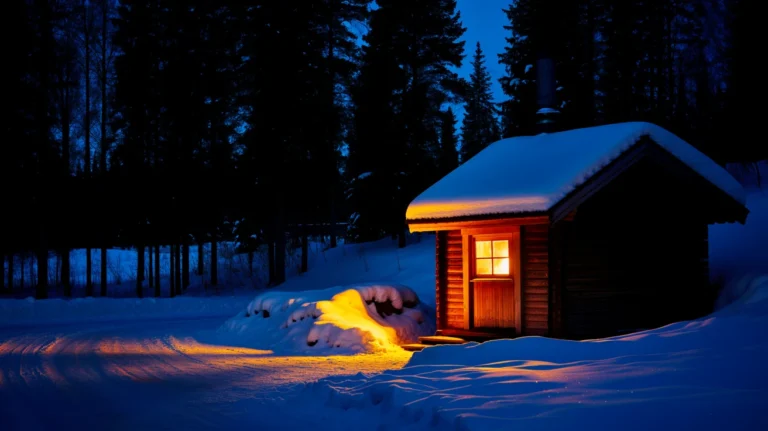
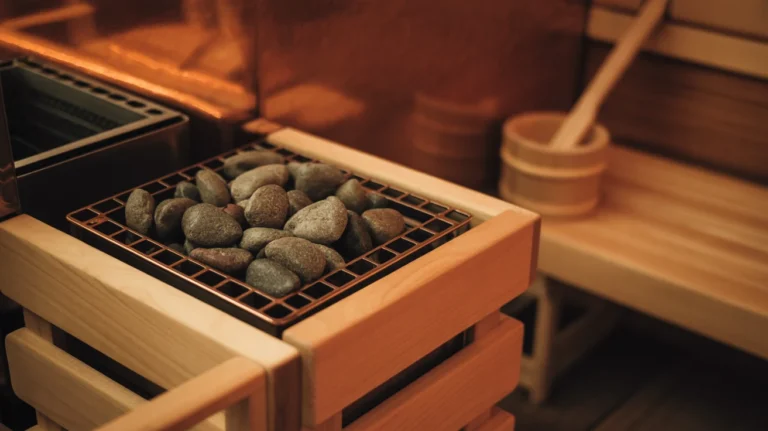
Structurally it is a wet bath. The heritage entry is blunt about this: the Latvian pirts is traditionally a “wet” pirts, with water thrown onto hot stones to raise humidity, and the whisking, washing and treatments done with bundles made from tree and shrub branches and other Latvian wild and garden plants. Latvia’s tourism agency notes that by the 19th century there was a bathhouse on every farmstead. Among the world’s sauna cultures this is not unusual in construction; what is unusual is how much structure got built on top of it.
Everyday practice is domestic rather than commercial. The heritage entry frames going to the pirts as a family tradition: many households have their own small bathhouse, usually fired up at weekends.
The black pirts and the 6-hour fire
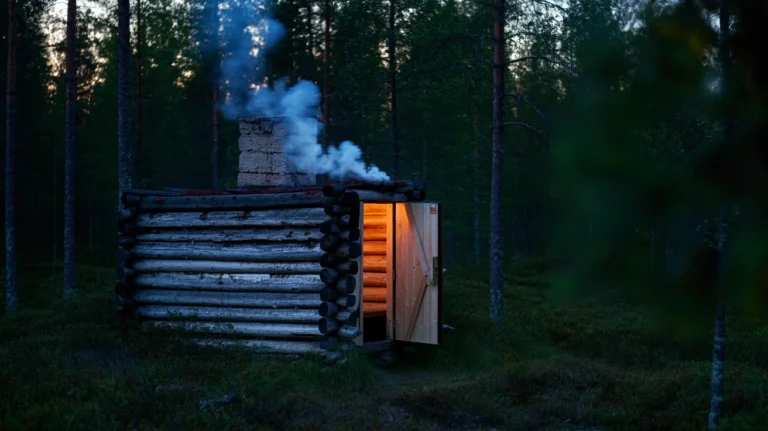
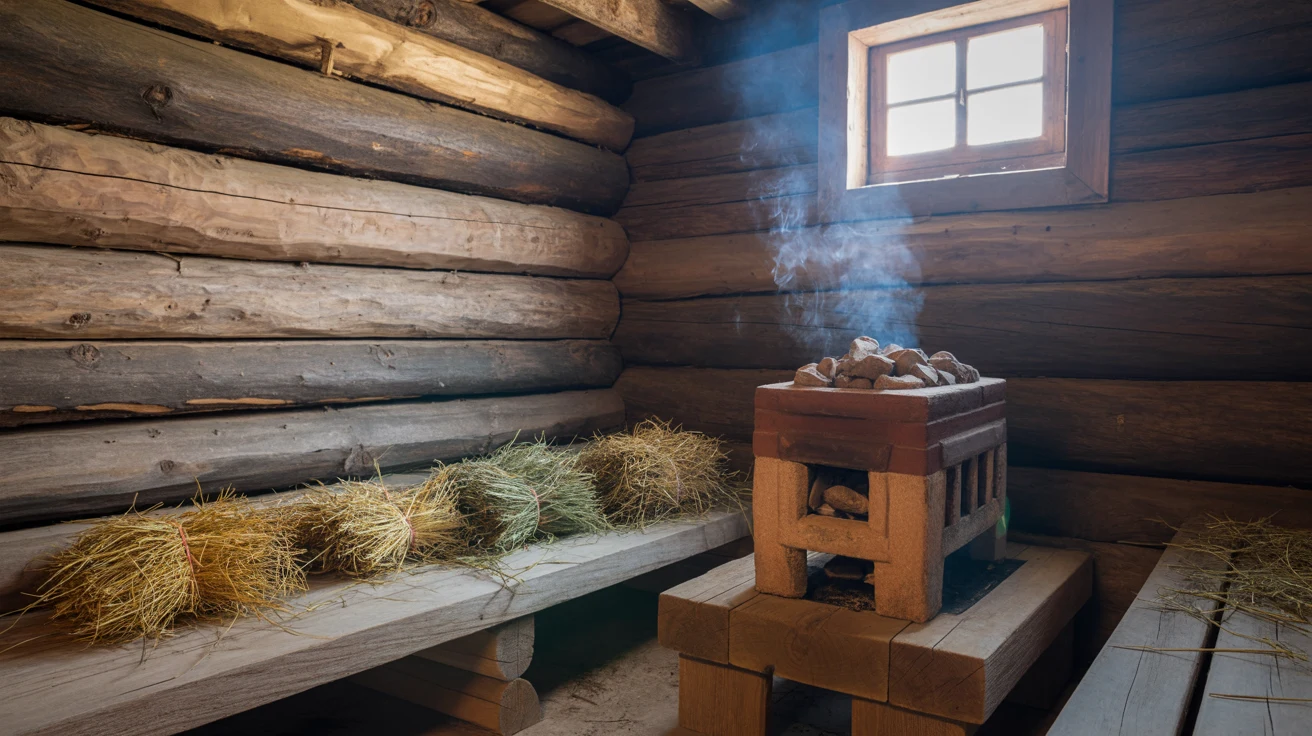
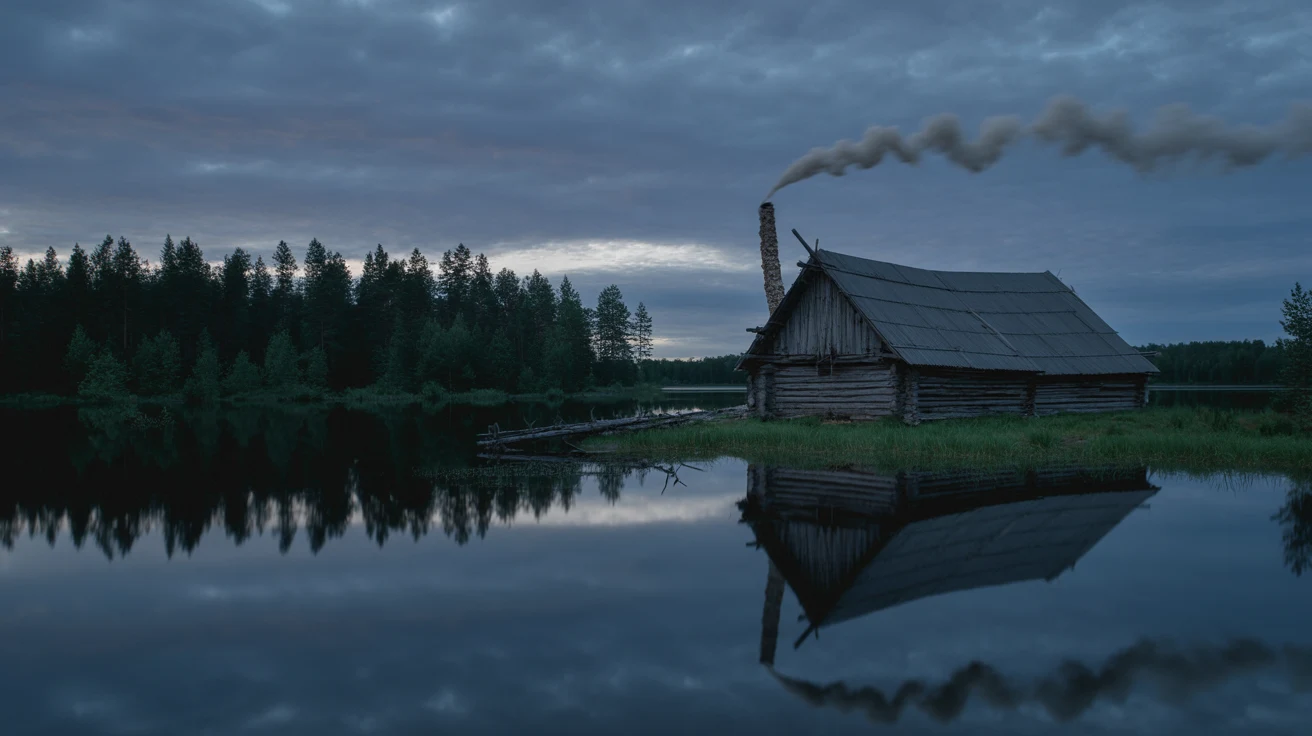
The oldest form is the black or smoke pirts. A fire is lit in the stove beneath the stones, and, as Pirts Muzejs puts it, the smoke has no chimney and finds its way out through every crack, blackening everything with soot on the way. The heritage entry says fewer of these remain in working use, and that heating and preparing one takes at least 5 to 6 hours.
The museum’s own figures give a sense of the arithmetic: roughly six hours of firing and preparation, including wiping soot off the benches, in exchange for about 3.5 to 4 hours of usable heat. This is not a spontaneous format. The same basic principle drives the Estonian smoke sauna, which has its own deep history and its own UNESCO listing.
The contrast Latvians themselves draw is not black versus white but firewood versus electricity. The heritage entry names the replacement of wood-fired wet baths by electrically heated dry saunas as a live threat to the tradition. Firewood matters enough to be specified: broadleaf wood, the best of it, cut in advance and stored separately.
The pirtnieks is a licensed profession
A pirtnieks is the person who runs the session: heater of the bathhouse, keeper of the whisks, and director of what happens to you on the bench. In families the role is informal, and the heritage entry describes it as usually falling to whoever takes on the firing and cleaning and most often the whisking as well, with the job passing along as younger family members grow up. A recorded folk song preserves the same division of labour, thanking in turn the one who heats the bathhouse, the one who carries the water, the one who binds the whisk and the one who whisks your back.
Professionally, it is regulated. Since 2010 both “pirtnieks” and “pirts meistars” have appeared in Latvia’s official classification of occupations; professional standards approved in 2018 formally separated professional practice from family practice, and a first standardised list of pirts terminology followed in 2022. The qualification is a state-recognised certificate awarded through formal training rather than a weekend course.
The scale is the surprising part for a country this small. By 2025 more than two thousand people had trained in pirts schools or informal interest groups, of whom roughly 5% go on to practise professionally and 95% do it for themselves and their families. Most professionals work irregularly or alongside another job, which is exactly how a visitor ends up in the hands of one. The oldest practitioner organisation, Latvijas Pirts savienība, was founded in 2004 and adopted a code of ethics in 2007.
What happens in a guided ritual
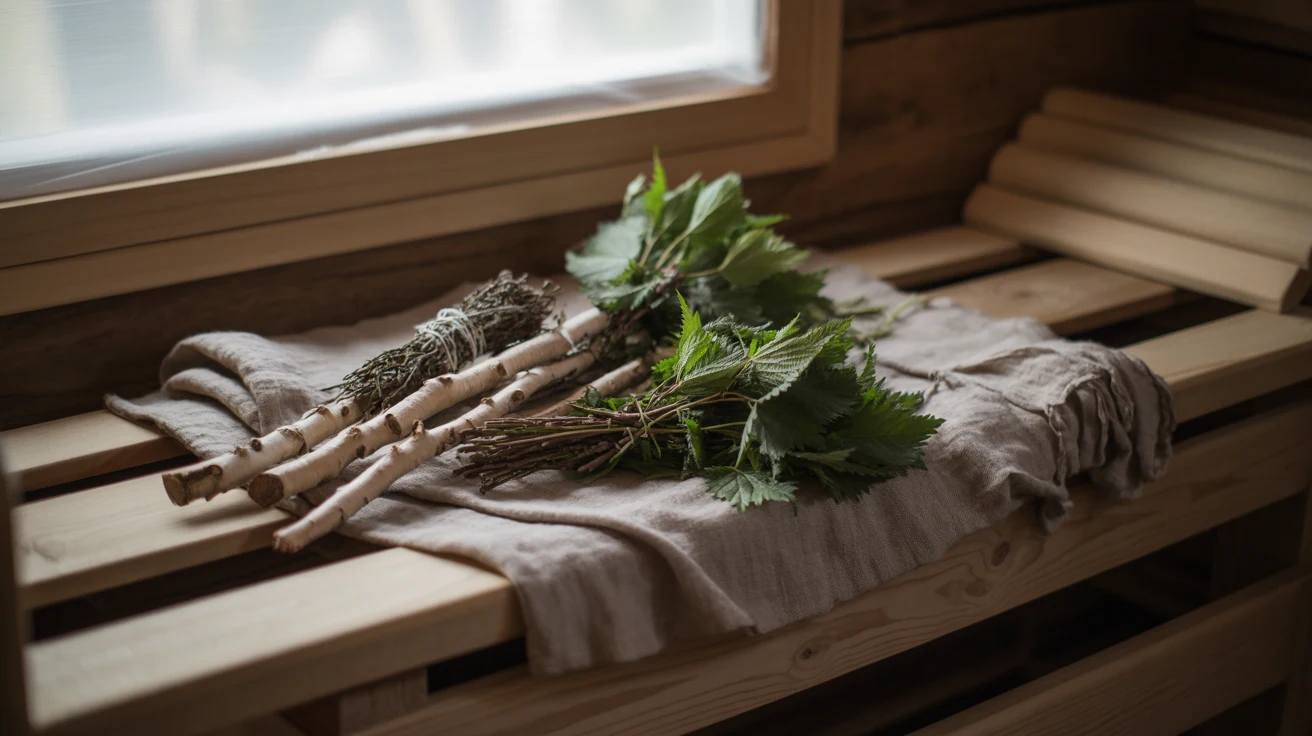
The session builds rather than repeats. Most bathers climb onto the bench at least once, sometimes two or three times, to heat through and clean the skin before the proper whisking begins. Cleansing uses plant bundles, coarse linen, nettle or hemp cloths, and rubs made from bark or roots; body masks use clay, mud, berries or honey. Only once the body is thoroughly warmed and cleaned does the whisking follow, and after that the water contrast.
Pacing is deliberately loose. Venues that run guided smoke-sauna rituals describe sessions of roughly four to five hours built around the guest’s condition rather than a timetable, with rest breaks, herbal tea and a closing meal folded in. Latvia’s tourism board tells visitors plainly to plan at least three to five hours for the occasion.
Heat is where sources disagree, so treat any single number carefully. The heritage entry avoids a fixed temperature and uses a “points” convention instead: relative humidity in percent plus air temperature in Celsius, summing to roughly 100 to 120, which works out at something like 50°C (122°F) at about 70% humidity, and describes the range as moderate to hot. Latvia.travel, by contrast, calls 86°C (187°F) the ideal bathhouse temperature and suggests beginners start lower. Both are published; neither is the single correct answer.
The whisks: several, and they are not for you to swing
Latvian whisks are slotas, and a practitioner will have more than one kind hanging up. The heritage entry names no species at all, only branches from trees and shrubs plus other Latvian wild and garden plants. Latvia’s tourism agency is more specific: birch, oak, linden and juniper are the most common, with bath masters adding a wide range of plants for scent and healing properties, and it describes the whisking as massage and aromatherapy at once. Practitioners distinguish the characters too, with birch counted as the gentle one and oak as the strengthening one.
Whisk-making is seasonal work. Summer whisks use freshly cut branches; the rest of the year runs on stock bound, dried and stored so the plants keep their color, scent and strength until the next summer. Spring flower whisks get used mainly for their smell.
This is where the practice diverges most visibly from the Finnish birch whisk, which is usually something you pick up and apply to your own shoulders for a minute or two. In a pirts the whisking is done to you, across the whole body, by someone standing over the bench, using different whisks at different stages for different purposes. Historian Mārtiņš Kuplais, quoted in the heritage entry, points out that of the three big north-eastern European traditions only the Latvian verb “pērt”, to whisk, names one of the main actions of the bath itself.
Honey, salt and the plants
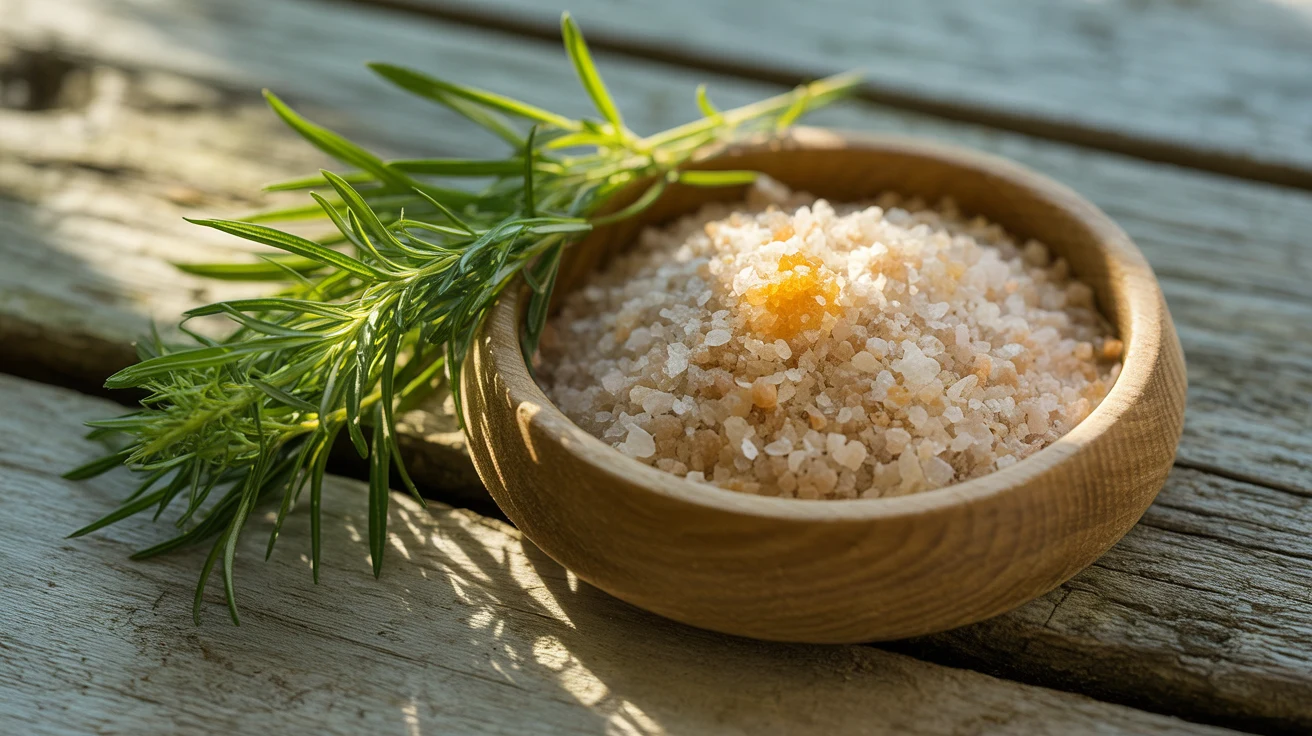
The materials are pantry-simple and used in a fixed order of logic: abrasive first, nourishing last. Salt and homemade herbal scrubs do the cleansing work alongside the plant bundles, and honey is rubbed into the skin for nourishment, typically towards the end of the treatment. Practitioners also work with plant distillates for aroma, and some add sound elements such as singing bowls.
One plant gets singled out repeatedly: mugwort. The Latvian Institute describes it as said to be a natural antiseptic, analgesic and calming agent, and it turns up strewn across the bench, infused into a scrub, or brewed into a herbal drink. That is folk reputation rather than clinical evidence, and none of the treatments here should be read as medical care.
Folk roots and seasonal rituals
Over 300 traditional folk songs reference the bathhouse, which is a lot of attention for a small wooden building. In those songs the bathing ritual appears as “Māras pirts” or “Laimas pirts”, because both goddesses were held to be present when new life begins. Around midsummer a herb bath is prepared, on the belief that plants gathered at that point in the year are at their strongest.
The most striking surviving ritual is pirtīžas, performed after childbirth for mother and newborn: the bathhouse is heated moderately, the baby is washed and its skin cleansed with mother’s milk, specific folk songs are sung, and the mother then receives massage and whisking. The firewood is chosen by the child’s sex, oak for a boy, linden or pine for a girl. It was reconstructed in recent years from ethnographic records and has become genuinely popular with young parents, usually led by an experienced family practitioner.
Not everything in the modern repertoire is ancient, and the heritage entry says so. Washing the bride’s back before a wedding, along with certain autumn rituals for the season of the dead, are listed as practices that entered Latvian pirts culture in recent decades. The Soviet period left its own mark: bathhouses in many places turned into venues for drinking and socialising, though the domestic tradition carried on underneath and has expanded since independence was restored.
Pirts and Finnish sauna: the same building, a different job
The sourced comparison is a similarity, not a contrast. Kuplais notes that almost every north-eastern European people claims to have invented the steam bath, because the Finnish sauna, the Russian banya and the Latvian pirts are alike in construction and in methods of use. The rooms are cousins. What differs is what happens inside them.
My reading, after going through what each tradition actually documents about itself: a Finnish sauna is self-directed and habitual, something you do several times a week without ceremony, and the etiquette exists mainly to keep other people comfortable. A pirts session is guided and occasional, closer to a ritual with a practitioner, a running order and a shopping list. The Latvian Institute makes the same point with more style, observing that the Finns may have the most saunas per person while Latvians may have the most bath masters per person. A Finn walking into a pirts expecting to be left alone on the bench for fifteen minutes will be politely and comprehensively disappointed.
One linguistic trap worth knowing: in Latvia the phrase “somu pirts”, literally Finnish sauna, historically pointed at Soviet-era leisure venues and has nothing to do with the Finnish tradition at all.
Where to experience a pirts ritual
Rituals are a countryside affair; every venue below sits outside Riga, and all of them want advance booking. Prices are in euros as published by the venues. The Pirts Muzejs figures were checked in September 2026; the others are the venues’ own published 2026 rates, quoted per session or per group rather than per hour.
| Venue | Where | What you get | Published price |
|---|---|---|---|
| Pirts Muzejs | Sēja parish, about 40 km from Riga | Open-air museum with six historical saunas plus a new one; heated smoke pirts sessions of 3 to 4.5 hours; whisks, scrubs, tea and towels included on guided options | Museum entry €2 ($2) per person; guided tour €7 ($8) per person (min €25 ($28)); heated smoke pirts €200 ($230) for up to 10 people, €15 ($17) per extra person; host-guided €350 ($400) for up to 10; with a bath master €350 ($400) for two, €520 ($595) for four, €620 ($705) for six |
| Ziedlejas | Krimulda area, Gauja National Park | Guided smoke-sauna ritual in a forest ravine by a stream, roughly 4 to 5 hours, with scrubs, whisking, contrast procedures, honey treatment and a closing rest | €260-300 ($295–340) basic session with one master; €350-410 ($400–465) for 2-3 people with one master; €400-570 ($455–650) with two masters |
| Lielzemenes | Latvian countryside | A menu of named rituals of about 4 hours each, plus standalone bathhouse rentals with a practitioner; also runs a pirts school with over 800 graduates | €100-400 ($115–455) and up depending on ritual; bathhouse rentals €120-150 ($135–170) for 4 hours |
| Ezermaļi | Alsunga parish near Kuldīga, on Lake Zvirgzdu | Ritual led by experienced practitioners with herb whisks and natural salt scrubs; must be booked in advance | Not published |
| Ziedu pirts nams | Auciems, near Gauja National Park | Whisking sessions plus a guest house and overnight stays in the bathhouse building; takes groups up to 12 and suits beginners | Not published |
If you would rather see the history than be whisked, the tradition is well covered in museums: the Latvian Ethnographic Open-Air Museum holds bathhouses from several regions, Turaida Museum Reserve runs a permanent exhibition on Latvian bathing traditions, and the Pharmacy Museum has one dedicated to the black bathhouse. There is also a summer festival, PirtsFest, which ran from 25 to 27 July 2025 at a forest glamping site near the Tērvete reservoir.
Common questions
What is a Latvian pirts?
A pirts is Latvia’s traditional wet bathhouse and the practice that goes with it: water thrown on hot stones for steam, combined with plant whisks, scrubs, honey and salt, and hot and cold water contrast. Historically it was the cleanest building on a farmstead, used for births and for washing the dead, and the tradition was added to Latvia’s national intangible cultural heritage list in September 2025.
What does a pirtnieks do?
A pirtnieks is a bath master who runs the session for you: heating the bathhouse, managing the steam and humidity, cleansing your skin with plant bundles and scrubs, whisking you with different branch bundles at different stages, and directing the cooling and rest periods. It has been a listed profession in Latvia since 2010, with formal professional standards approved in 2018.
Is a pirts the same as a Finnish sauna?
The buildings are close relatives. A Latvian historian quoted in the national heritage entry notes that the Finnish sauna, the Russian banya and the Latvian pirts are similar in construction and in methods of use. The practice differs: Finnish sauna is typically self-directed and frequent, while a full pirts session is a guided ritual led by a trained practitioner and lasting several hours.
How hot is a Latvian bathhouse?
Sources disagree, so treat any single figure as an approximation. The heritage entry describes the climate as moderate to hot and uses a convention of adding humidity percentage to temperature in Celsius for a total around 100 to 120, which corresponds to roughly 50°C (122°F) at about 70% humidity. Latvia’s tourism agency instead cites 86°C (187°F) as the ideal, with beginners starting lower.
How long does a pirts ritual take?
Plan three to five hours as a guest. Venues running guided smoke-sauna rituals schedule roughly four to five hours from arrival to the closing tea, and the practitioner sets the pace from your condition rather than a clock. Heating a smoke bathhouse beforehand takes a further five to six hours, which is why sessions are booked in advance.
Can a visitor experience a pirts ritual in Riga?
The established ritual venues are in the countryside rather than the capital. Pirts Muzejs sits about 40 km from Riga, and other well-known options are in the Gauja National Park area and in western Latvia near Kuldīga. All of them require booking ahead, and most price by session or group rather than per person.