Estonian Smoke Sauna: UNESCO-Recognized Tradition
Estonia got UNESCO recognition for its smoke sauna tradition in 2014, six years before Finland’s sauna culture made the same list. That fact tends to surprise Finns, who assume the sauna is theirs alone. It isn’t. The Võro people of southeastern Estonia have been sweating in blackened rooms for centuries, and they built a whole seasonal rhythm around the same small wooden building.
What makes the Estonian version worth understanding isn’t that it’s exotic. It’s that the same structure does double duty: bathe in it on Saturday, smoke your meat in it the rest of the week. The Estonians folded the sauna into the working life of a farm in a way that’s mostly gone from Finland.
The Võro tradition of southeastern Estonia
The living heart of Estonian smoke sauna is Võro County, a rural pocket in the country’s southeast. This is Võro-speaking territory, a regional culture distinct enough from mainstream Estonian that its sauna customs carried their own name and their own rules. When UNESCO inscribed the tradition on its Intangible Cultural Heritage list, it named it specifically: the Võro smoke sauna, not Estonian smoke sauna in general.
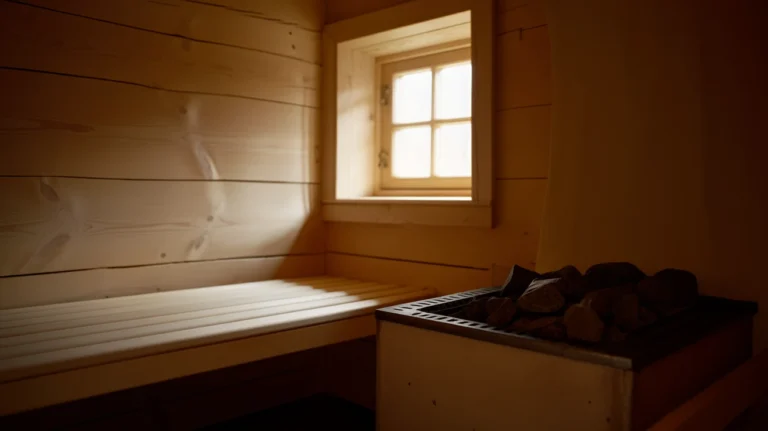
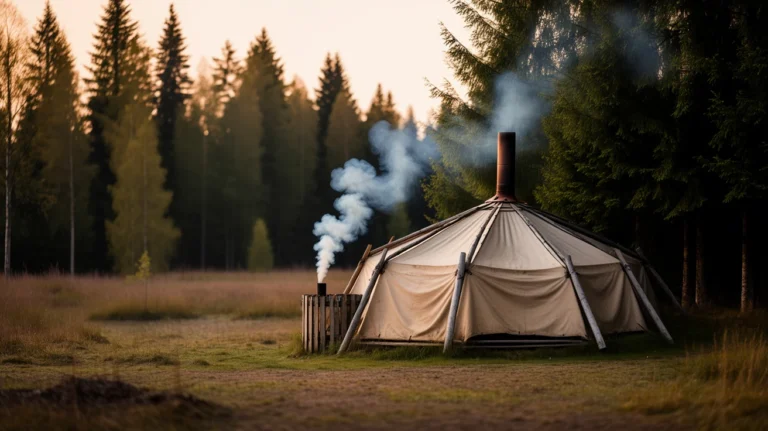
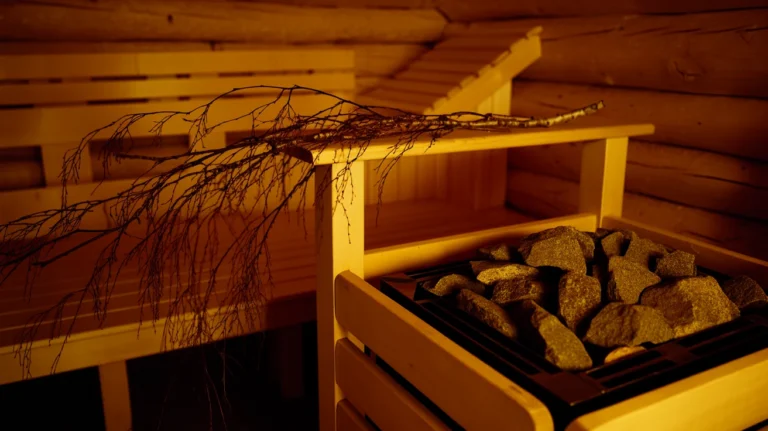
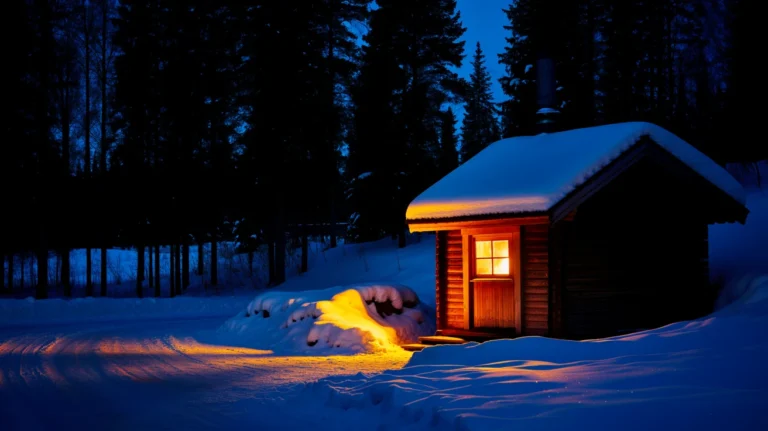
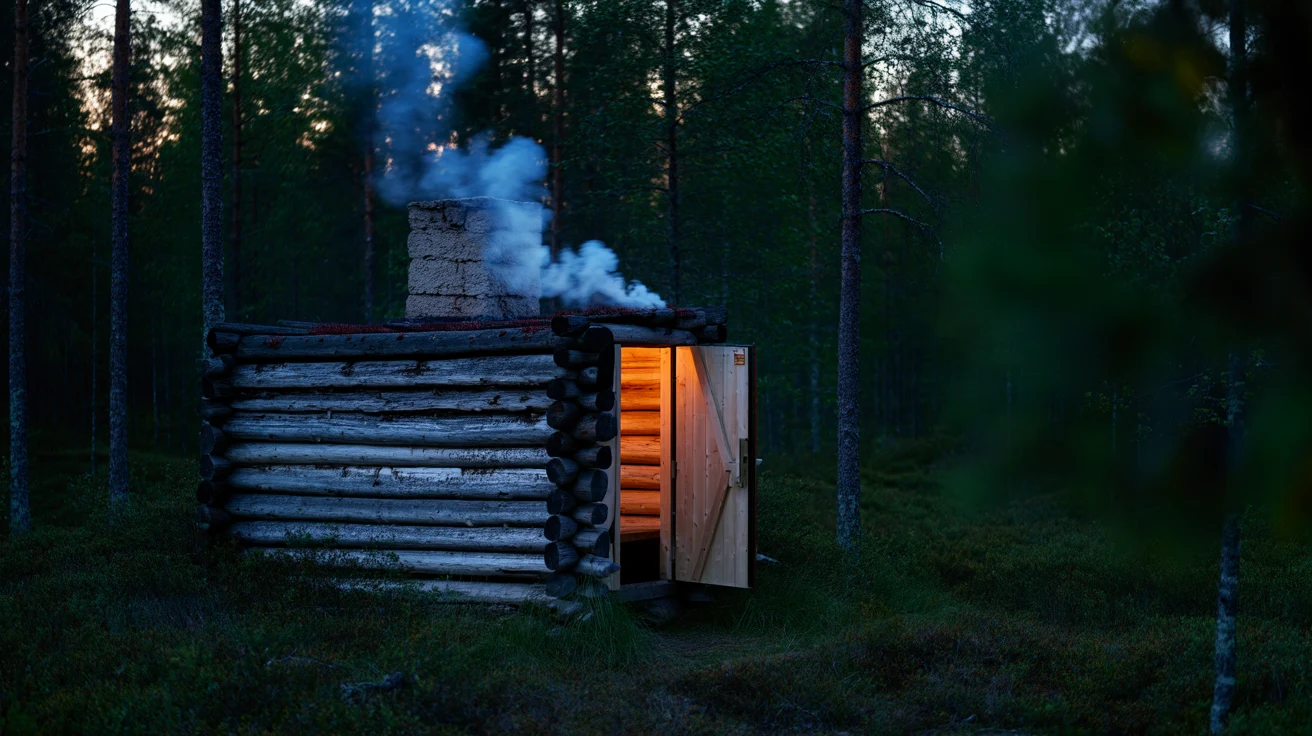
The building itself is a low log structure with no chimney. Smoke from the fire fills the room, blackens the walls and ceiling over years of use, then gets aired out before anyone goes in. What’s left is a hot room coated in soot and the smell of woodsmoke, which is exactly the point. The blackening isn’t neglect. It’s the finish.
UNESCO recognition and what it protects
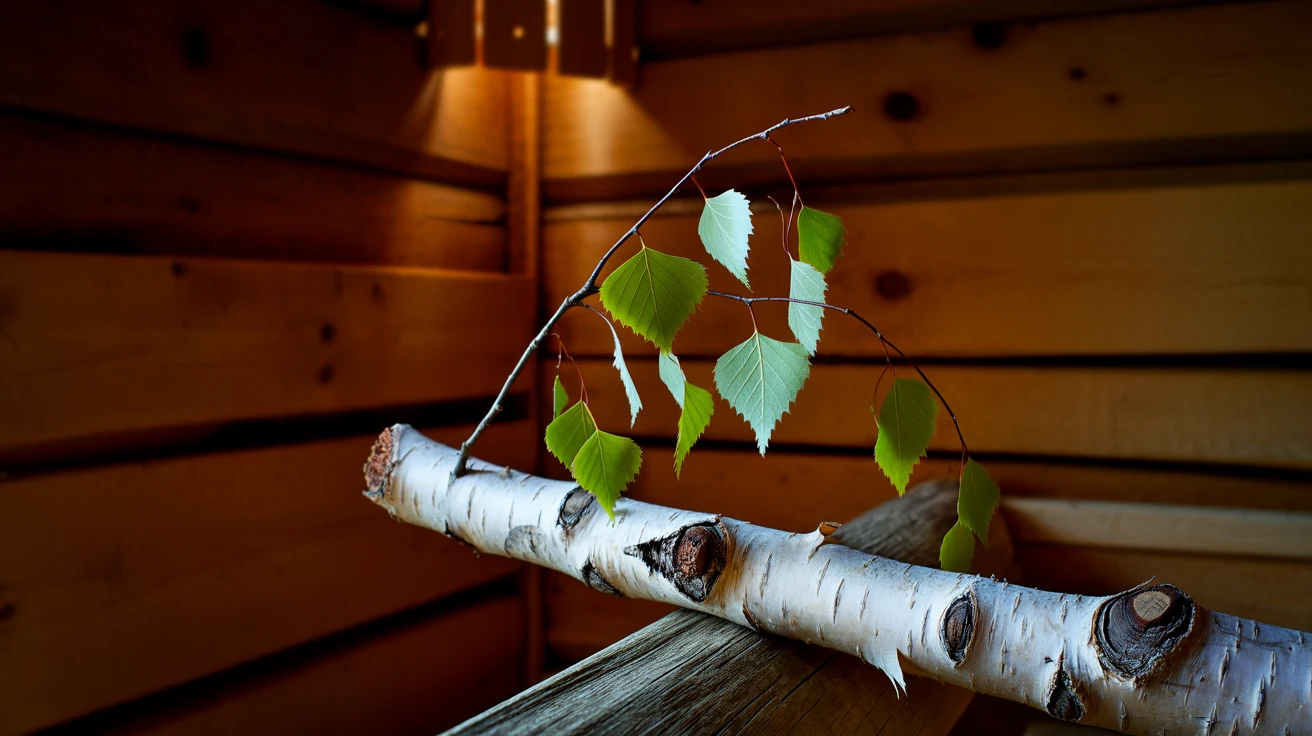
In 2014, UNESCO added the smoke sauna tradition in Võromaa to its Representative List of the Intangible Cultural Heritage of Humanity. The listing covers more than the building. It recognizes the whole complex of practices around it: heating the sauna, the bathing customs, the birch whisks, the food, and the social role the sauna plays in Võro communities.
This mattered for a reason beyond national pride. UNESCO recognition is aimed at practices at risk of fading, and it comes with an expectation that the community keeps the tradition alive rather than freezing it in a museum. Finland’s own sauna culture inscription didn’t arrive until 2020. For six years, the only sauna on the UNESCO list was Estonian.
How it differs from the Finnish smoke sauna
Structurally, the Estonian smoke sauna and the Finnish savusauna (chimneyless smoke sauna) are close cousins. Both burn wood in an open or semi-open heater, both fill with smoke during heating, both vent that smoke before bathing, and both trade convenience for a soft, deep heat that fans of the form insist no modern heater matches.
The differences are cultural rather than technical. Here’s how the two traditions line up:
| Feature | Estonian smoke sauna | Finnish smoke sauna |
|---|---|---|
| Region of strongest tradition | Võro County, southeast | Eastern and rural Finland |
| UNESCO recognition | 2014 | 2020 (as part of sauna culture) |
| Common secondary use | Smoking meat in the same building | Primarily bathing |
| Heat-up time | Several hours (wood-fired, chimneyless) | Several hours (wood-fired, chimneyless) |
| Whisk | Birch, used the same way | Birch, used the same way |
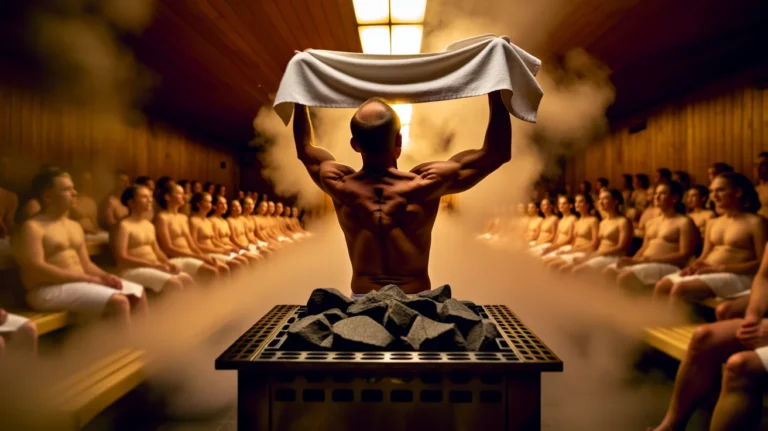
Both traditions share löyly (the burst of steam when you throw water on the hot stones), and in both, the smoke sauna’s löyly is the reason people go to the trouble. Throwing water on stones that have soaked up heat over hours of firing gives a rounder, gentler steam than a fast electric heater produces. If you want the full comparison, the Finnish version has its own history worth reading.
One building, two jobs
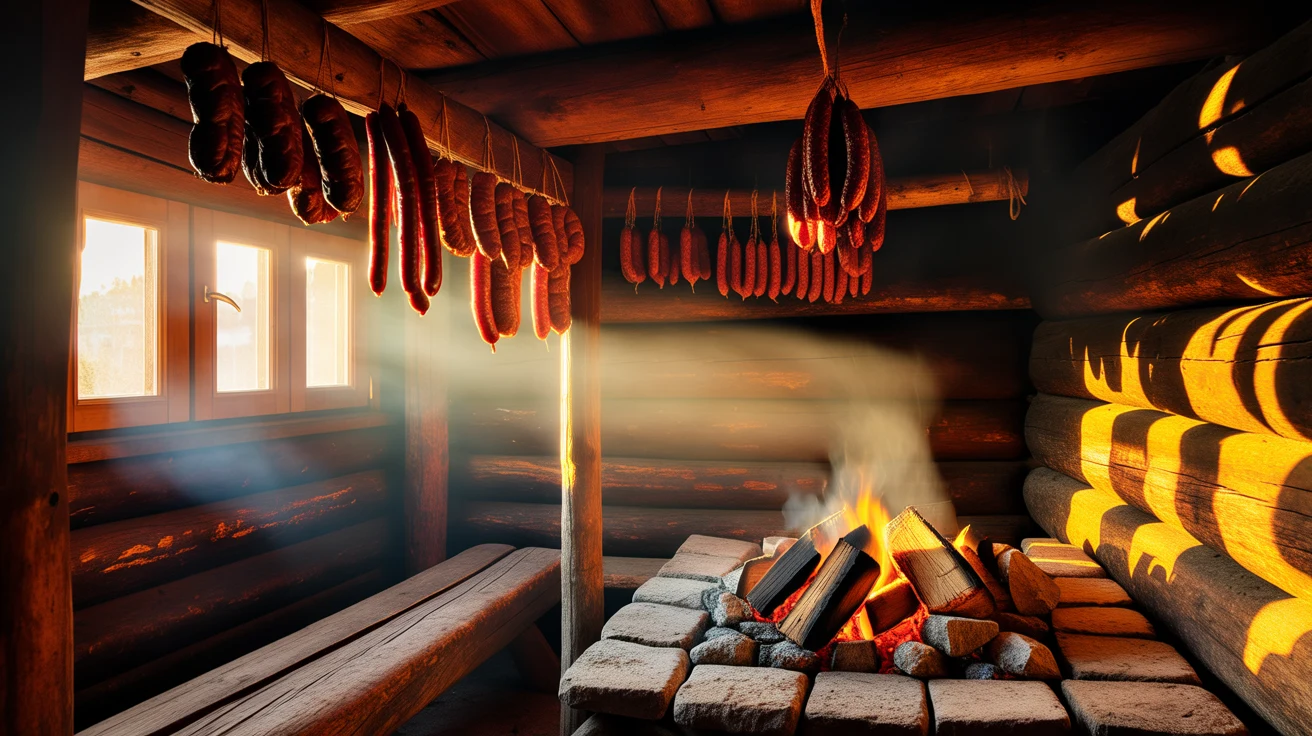
This is where the Estonian tradition parts ways with the Finnish one. In Võromaa, the smoke sauna was often the farm’s meat-smoking house too. After the bathing season, or between sessions, families hung pork, sausages, and other meat in the same smoke-filled room and cured it over a slow fire.
It’s an efficient piece of design when you think about it. You’ve already built a well-sealed, smoke-holding wooden room and you fire it regularly. Using it to preserve winter food as well as to wash is the kind of double-duty that made sense on a self-sufficient farm. The result is that in some households the sauna smelled faintly of smoked ham year-round, which nobody there considered a problem.
The spiritual side
The smoke sauna in Võromaa was never only a place to get clean. It was where women gave birth, where the sick were treated, where the dead were washed before burial, and where important family conversations happened. The room carried a weight that a bathroom doesn’t.
That reverence survives in the etiquette. You enter calmly, you keep your voice down, you don’t rush. The heat is treated as something you’re a guest of rather than something you command. It’s a quieter register than the beer-and-banter version of sauna you’ll find elsewhere, and it’s closer in spirit to the older rural sauna customs that shaped both countries before indoor plumbing arrived.
Where to experience it
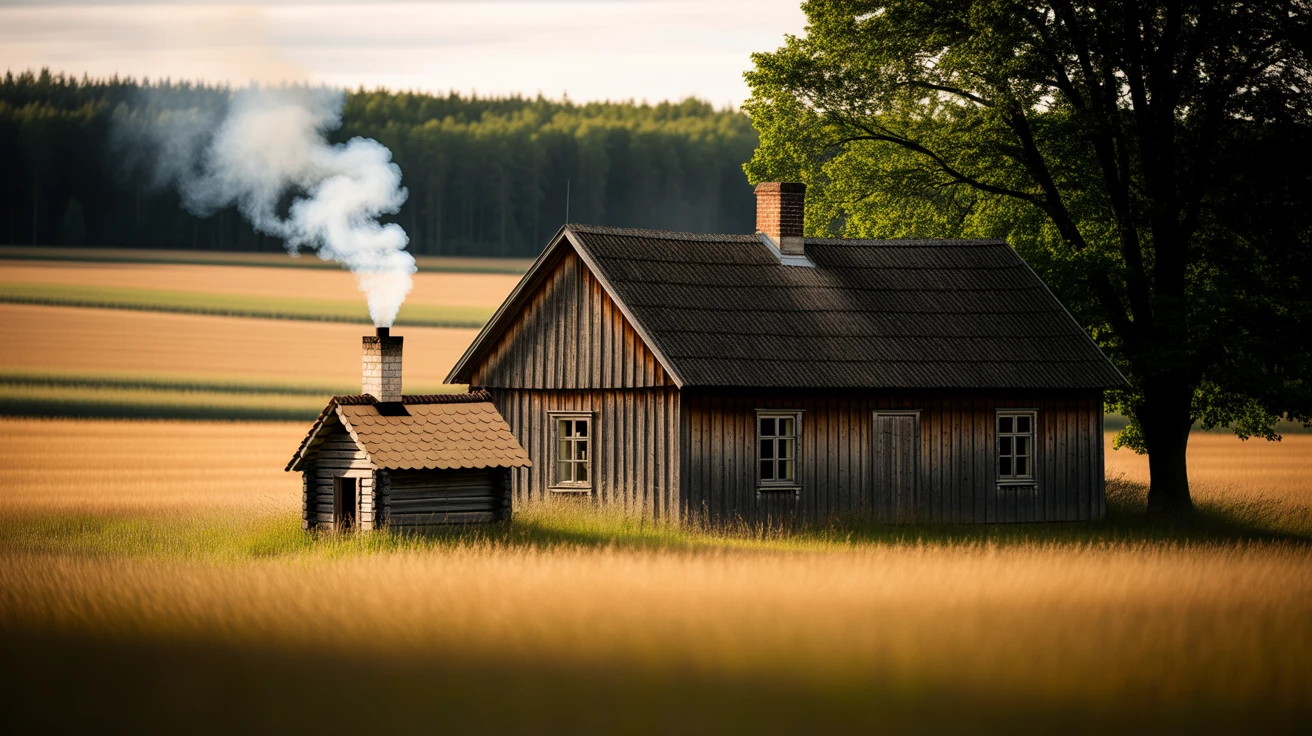
The most authentic smoke saunas are on farms and in rural guesthouses across Võro County and the wider southeast, around towns like Võru and Otepää. Several heritage farms and small tourism operators run smoke sauna sessions, sometimes tied to a meal and an overnight stay. This isn’t a spa product; it’s someone’s family sauna opened to visitors, and the experience is better for it.
Book ahead, because heating a chimneyless smoke sauna takes most of a day and hosts don’t fire it on a whim. Expect a long, low-temperature session, a birch whisk if the season allows, and a cool-down that often involves a nearby lake. If you’ve done a Finnish smoke sauna, this will feel familiar and slightly older at the same time.
FAQ
When did the Estonian smoke sauna get UNESCO recognition?
The Võro smoke sauna tradition of southeastern Estonia was inscribed on UNESCO’s Representative List of the Intangible Cultural Heritage of Humanity in 2014, six years before Finland’s sauna culture joined the list in 2020.
How is an Estonian smoke sauna different from a Finnish one?
Structurally they’re nearly identical: both are chimneyless wood-fired rooms that fill with smoke during heating, then vent it before bathing. The main cultural difference is that Estonian smoke saunas were commonly used to smoke and cure meat in the same building, a double use that’s rare in Finland.
What is a Võro smoke sauna?
Võro smoke sauna refers to the specific tradition practiced by the Võro people of Võro County in southeastern Estonia. It’s the version UNESCO recognized by name, covering the building, the bathing customs, the birch whisks, and the social and spiritual role the sauna plays in the community.
Can you really smoke meat in a sauna?
Yes. In rural Estonian farms, the smoke sauna doubled as a meat-smoking house. Families hung pork and sausages in the same smoke-filled room and cured them over a slow fire, taking advantage of a well-sealed, regularly heated wooden structure.
Where can I experience an Estonian smoke sauna?
Heritage farms and rural guesthouses across Võro County and the southeast, near towns like Võru and Otepää, run smoke sauna sessions, often paired with a meal or an overnight stay. Book ahead, since heating a chimneyless smoke sauna takes most of a day.