Sauna Cultures Around the World
Almost every human culture that ever got cold, dirty, or stressed invented a way to sit in heat and sweat it out. The Finns have their wood-heated rooms, the Turks their marble hammams, the Japanese their volcanic hot springs, the Koreans their sprawling bathhouse complexes. The impulse is universal. What changes from country to country is everything around it: whether you’re naked or wrapped in a towel, silent or gossiping, alone or with two hundred strangers, doing business or doing penance.
That’s what makes thermal bathing worth a world tour. The heat is just physics. The rituals built around it are the culture, and comparing them tells you more about a place than most museums will. This is a survey of the major traditions, with links to the deep dives where each one gets the full treatment.
Why nearly every culture bathes in heat
Thermal bathing shows up independently across continents that had no contact for most of history, which is a strong hint it solves something basic. Heat cleans you when soap is scarce. It eases sore muscles after physical work. It creates a warm, enclosed space to gather in during brutal winters, and a socially sanctioned reason to slow down and talk. Where volcanic activity provided free hot water, hot springs became the center of the tradition. Where it didn’t, people built fires and heated stones instead.
The interesting part isn’t that the traditions exist. It’s how differently each culture answered the same follow-up questions. Do you add steam or keep it dry? Do you go in clothed? Is it a place for silence or for noise? Is it sacred, medical, social, or just pleasant? The answers are where the culture lives.
Finland: the reference point
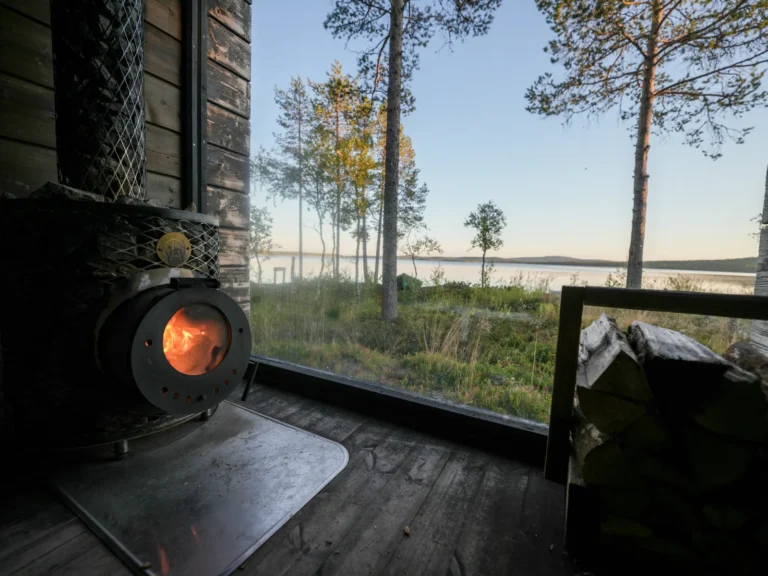
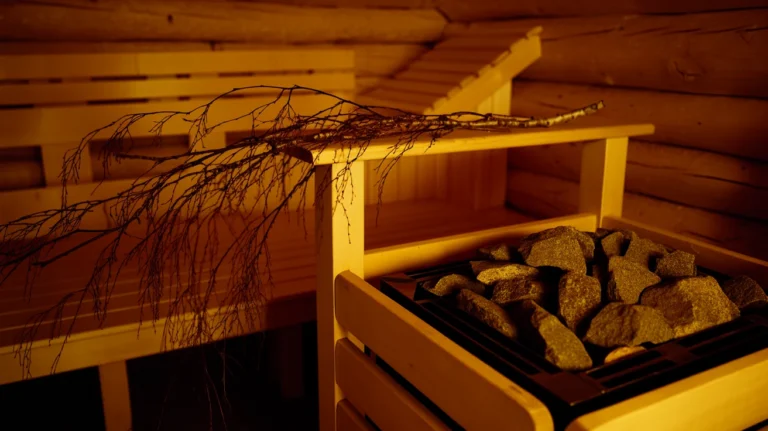
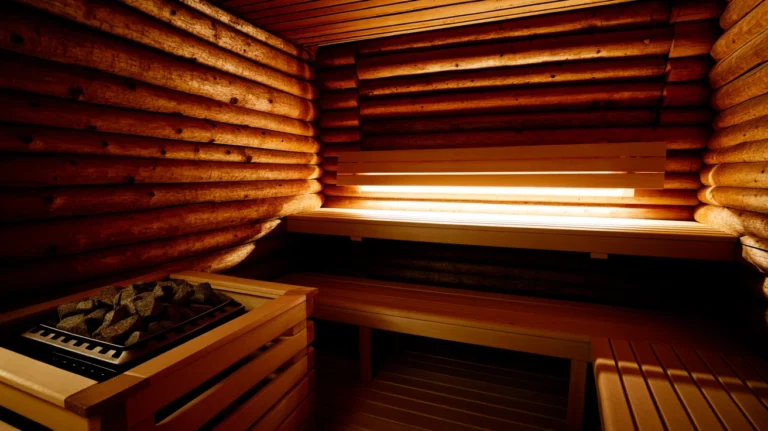
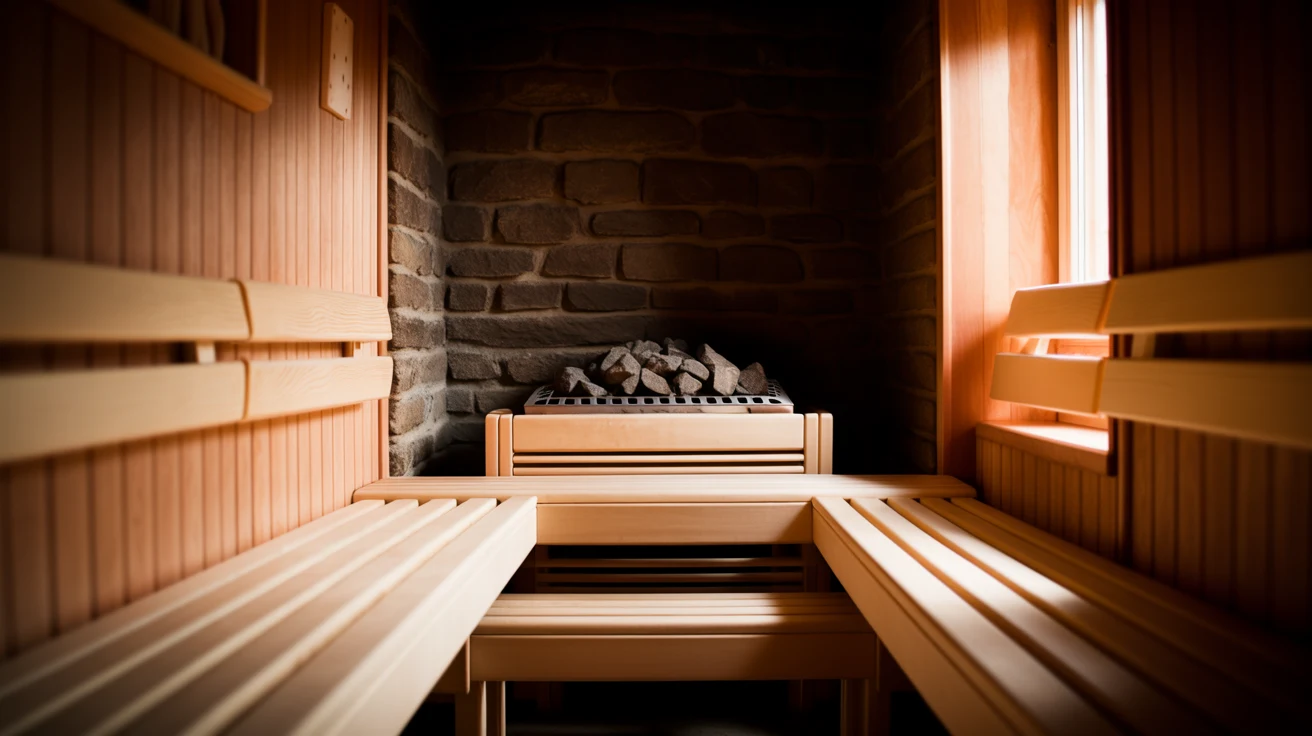
Finland is where the English word “sauna” comes from, and it’s the tradition most others get compared against, so it’s the natural baseline even though it’s not the oldest. The Finnish model is a wood-lined room heated to 70-100°C (158-212°F) by a stove topped with stones. You throw water on the stones to produce löyly (the burst of steam and soft heat that rises when water hits hot rock), and that steam is the whole point. Finns treat the sauna as ordinary infrastructure rather than a luxury: there are more saunas than cars, and the room is used for everything from washing to grieving.
UNESCO added Finnish sauna culture to its Representative List of Intangible Cultural Heritage in 2020. If you want the full treatment, the deep cluster on Finnish sauna culture covers the history, the everyday role, the holiday traditions, and the etiquette in detail. For everyone else, the short version is: quiet, naked, wood-heated, steam-driven, and taken seriously.
Germany: Aufguss and the wellness landscape
Germany took the Finnish room and turned the steam into theater. In the German Aufguss ritual, a trained attendant enters at set times, pours scented water over the stones, and then uses a towel to fan the hot air through the room in choreographed waves, often to music. It’s part heat treatment, part performance, and there are even national championships for it. You sit still and receive it; leaving mid-ritual is poor form.
The other German contribution is scale. A German Saunalandschaft (a sprawling sauna landscape combining multiple sauna rooms, pools, and relaxation areas in one complex) can hold dozens of saunas at different temperatures across a single spa. Nudity is mandatory in most German saunas, textiles genuinely forbidden, and the rule applies regardless of who’s in the room. It catches a lot of first-time visitors off guard.
Russia: the banya and the venik
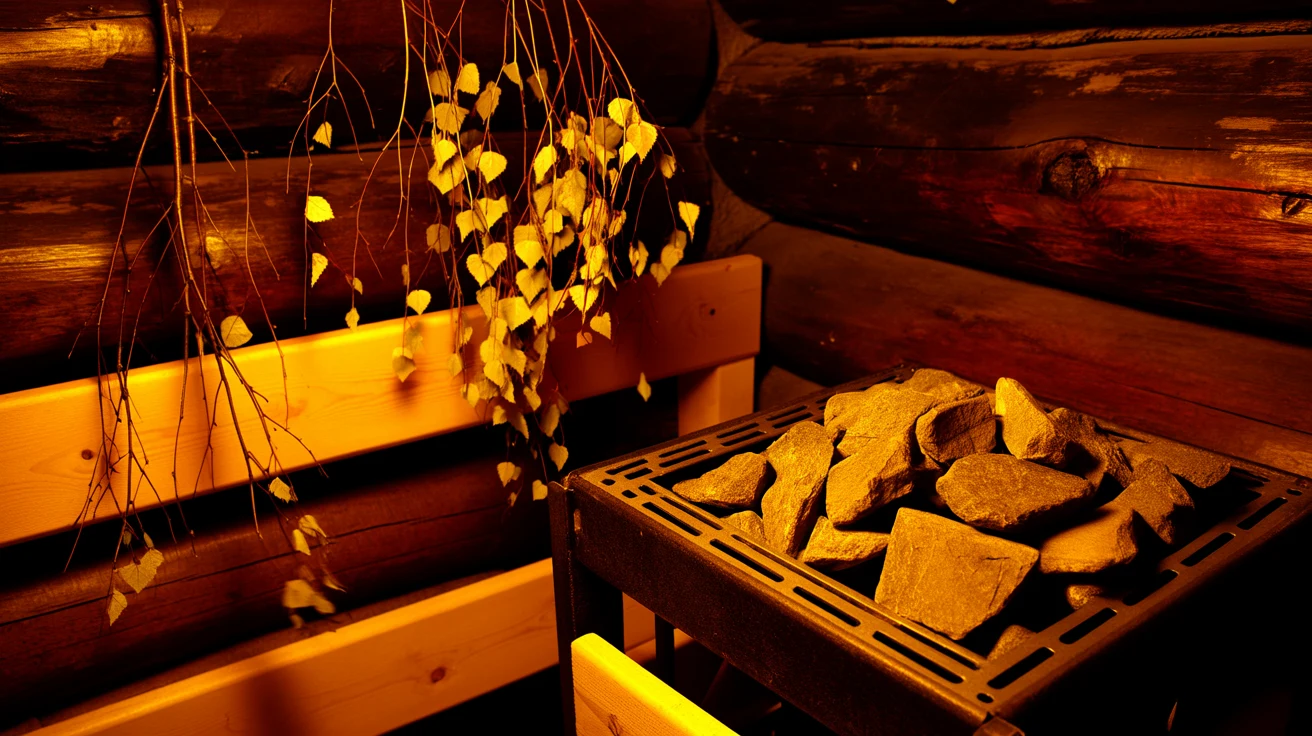
The Russian banya (a steam bathhouse tradition centered on high humidity and vigorous birch-branch treatment) runs wetter and often hotter-feeling than a Finnish room, with heavy bursts of steam filling the space. Its signature is the venik, a leafy bundle of birch or oak branches used to swat and massage the body, driving heat into the skin and boosting circulation. A good banya attendant wielding the whisk is somewhere between a masseur and a drill sergeant.
The banya is deeply social and often boisterous, closer to a pub than a chapel in mood. Food, drink, and long conversation are part of the ritual, and the cycle of hot steam followed by a plunge into cold water or snow is central. The Russian banya tradition page goes into the steam technique, the whisk work, and the etiquette. It shares a Baltic-Slavic ancestry with the Finnish sauna, but the temperament is entirely its own.
Turkey: the hammam
The Turkish hammam descends from Roman and Byzantine bathhouses and works on a different principle from the Nordic room. Instead of dry radiant heat and steam from stones, the hammam centers on a large heated marble slab, the göbektaşı, where you lie and sweat in warm, humid air before an attendant scrubs and soaps you down. It’s a wash and a ritual cleansing more than a heat endurance test, and the temperatures are gentler.
Historically the hammam was a social institution, especially for women, one of the few public spaces where they could gather freely. Bathers wrap in a thin cotton cloth called a peştemal rather than going nude, and the sexes are separated by schedule or by building. Turkey’s tourism board lists historic hammams still operating in Istanbul that are centuries old.
Japan: onsen and sento
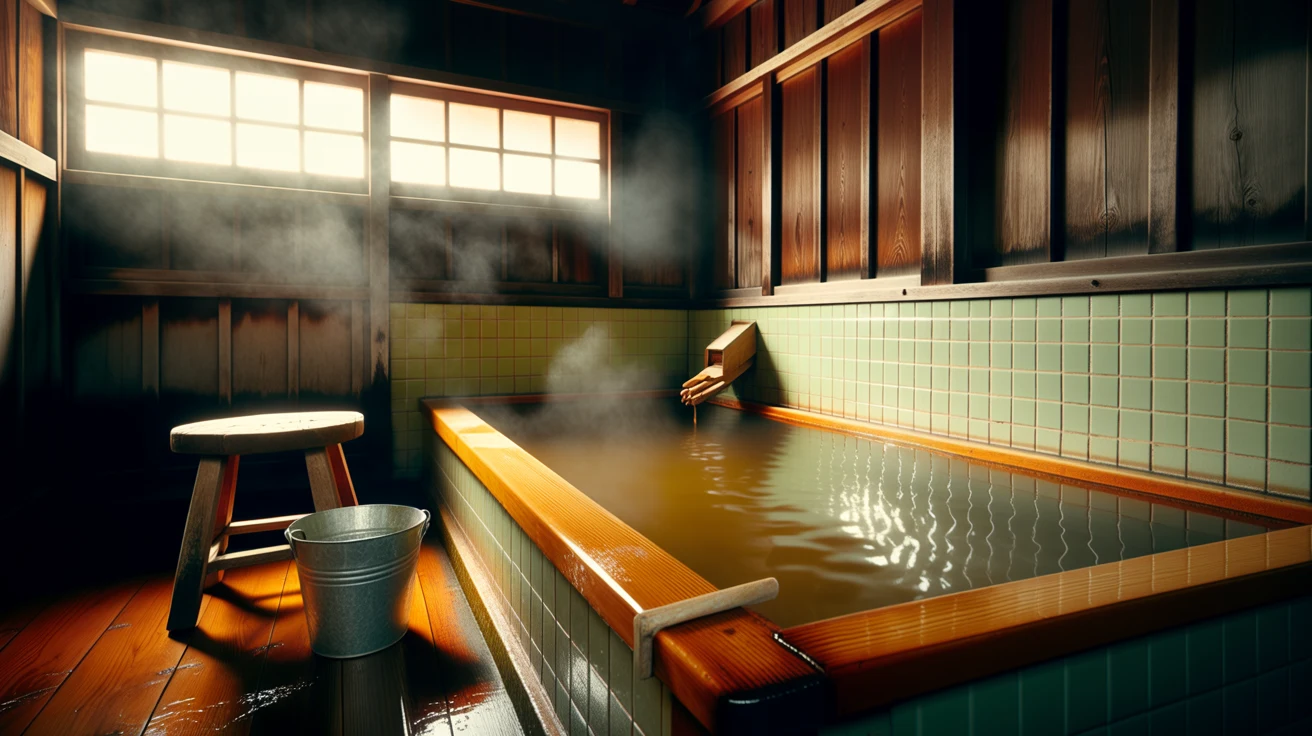
Japanese bathing culture is built on water rather than air. An onsen is a bath fed by natural geothermal hot spring water, prized for its mineral content and often set outdoors with a view; a sento is the urban neighborhood equivalent, heated ordinary water rather than spring-fed. Both are about soaking in hot water, not sweating in hot air, which is why calling an onsen a sauna annoys purists on both sides.
The etiquette is strict and non-negotiable: you wash and rinse thoroughly at a seated shower station before you ever enter the communal bath, because the bath is for soaking clean, not for cleaning. Bathers are nude, sexes are separated, and the water is shared and kept pristine. The Japanese onsen page draws out the full comparison with the sauna, and Japan’s official travel guide lays out the wash-first rules for visitors. Tattoos, worth noting, are still refused at many traditional baths.
Korea: the jjimjilbang
Korea took the bathhouse and made it a 24-hour social institution. A Korean jjimjilbang is a large complex combining gender-separated nude bathing pools with a shared, clothed common area full of themed heat rooms at different temperatures, some lined with jade, salt, or charcoal. You change into provided cotton shorts and shirt, drift between rooms, eat, nap, and often stay overnight.
This is where the jjimjilbang diverges hardest from the Nordic model. It’s family entertainment and cheap lodging as much as it is bathing. Kids run around, grandparents doze, couples share a snack of roasted eggs and sweet rice punch, and the whole thing runs through the night. The heat is almost incidental to the hangout.
Estonia: smoke saunas and an early UNESCO nod
Estonia sits right across the water from Finland and shares the Finnic sauna lineage, but its most famous tradition beat Finland to global recognition. The smoke saunas of Võromaa in southeastern Estonia earned UNESCO Intangible Cultural Heritage status in 2014, a full six years before Finnish sauna culture made the list in 2020. Same neighborhood, and the smaller country got there first.
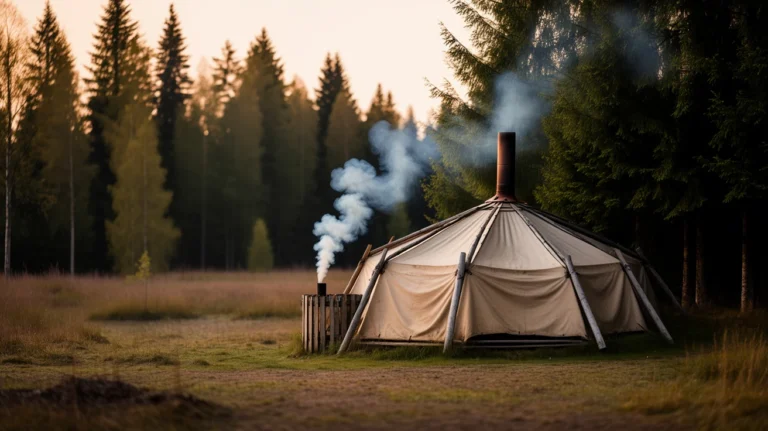
A smoke sauna has no chimney. You burn wood for hours to heat a mass of stones, let the smoke fill and then clear the room, and bathe in the soft, soot-scented residual heat. In the Võro tradition it’s tied to smoking meat, healing, and rites of passage, treated as a near-sacred space. The Estonian smoke sauna page covers the Võromaa customs and how they differ from their Finnish cousins.
United States: sweat lodges and the modern wellness wave
North America has its own ancient thermal tradition in the Indigenous sweat lodge, a domed structure where heated stones are brought inside and water is poured to create steam as part of a ceremonial and spiritual practice. It is a rite, not a recreation, and it predates every European bathhouse on this list. It deserves to be understood on its own terms rather than filed under “American sauna.”
The commercial American sauna is a much younger and messier story: Finnish immigrant saunas in the upper Midwest, then a long stretch where “sauna” mostly meant a tiled box at the gym with a sign reading “do not pour water on the heater.” Recent years brought a wellness boom, cold plunge culture, and a rediscovery of real löyly. In America the water problem is solved by printing a sign; in Finland it’s solved by buying a heater built to take water. The full arc lives on the American sauna history page.
How the traditions compare at a glance
The differences sort neatly once you line them up. The axis that matters most is whether the tradition heats air or heats water, followed by how it handles clothing, sound, and steam.
| Tradition | Core method | Steam / löyly | Typical dress | Social tone |
|---|---|---|---|---|
| Finnish sauna | Hot dry air, stone stove | Yes, central | Nude | Quiet, calm |
| German sauna | Finnish room plus Aufguss ritual | Yes, choreographed | Nude, mandatory | Ceremonial, still |
| Russian banya | Wet steam, birch whisk | Yes, heavy | Nude or covered | Loud, social |
| Turkish hammam | Warm marble, scrub, wash | Humid, gentle | Cotton wrap | Social, ritual wash |
| Japanese onsen | Soak in hot spring water | No, water-based | Nude | Silent, orderly |
| Korean jjimjilbang | Multiple heat rooms plus baths | No, dry heat rooms | Nude pools, clothed rooms | Lively, all-ages |
| Estonian smoke sauna | Chimney-less smoke heat | Yes, soft | Nude | Quiet, near-sacred |
Read down the “social tone” column and you get a rough map of the cultures themselves: the Finns quiet, the Russians loud, the Japanese exacting, the Koreans making a family night of it. The one thing that travels everywhere is the etiquette gap. What’s polite in a Helsinki sauna can be an offense in a Kyoto onsen, which is why sauna etiquette is worth reading before you go anywhere.
FAQ
What countries have a sauna or bathing culture?
Nearly every region has one. Finland, Estonia, Sweden, and Russia have Nordic and Baltic steam-bath traditions; Germany built a large spa-based sauna culture; Turkey has the hammam; Japan the onsen and sento; Korea the jjimjilbang; and North America has both the Indigenous sweat lodge and a modern commercial wellness scene. The heat method and rituals differ, but the underlying practice of sweating or soaking to clean, relax, and gather is close to universal.
What’s the difference between a Finnish sauna and a Russian banya?
A Finnish sauna runs on hot, relatively dry air from a stone-topped stove, with steam produced in controlled bursts by throwing water on the stones, and the atmosphere is usually quiet. A Russian banya runs wetter and steamier, with heavy humidity and a signature birch-branch whisk used to swat the skin and drive heat in. The banya is also typically louder and more social, closer to a gathering than a retreat.
Are Japanese onsen similar to saunas?
Not really. An onsen is a bath fed by natural geothermal hot spring water, so you soak in hot water rather than sitting in hot air. A sauna heats the air and, in most traditions, produces steam from stones. Both are shared, nude, and cleansing, but the onsen has strict wash-before-you-soak rules and no dry heat room, which makes it a distinct tradition rather than a variant of the sauna.
Which came first for UNESCO recognition, Finnish or Estonian sauna culture?
Estonia got there first. The smoke sauna tradition of Võromaa in southeastern Estonia was inscribed on the UNESCO Representative List of Intangible Cultural Heritage in 2014, while Finnish sauna culture was added in 2020. The two traditions share a common Finnic ancestry, but the smaller country’s smoke saunas earned the international nod six years earlier.
Do you have to be naked in every sauna culture?
No, it varies sharply by country. German and Finnish saunas and Japanese onsen are typically nude. Turkish hammams use a thin cotton wrap. Korean jjimjilbangs are nude in the gender-separated bathing pools but clothed in the shared common heat rooms, where you wear a provided uniform. Always check the local norm before you enter, because getting it wrong is the most common visitor mistake.