Danish Saunagus: How Denmark Turned Aufguss into a Ritual
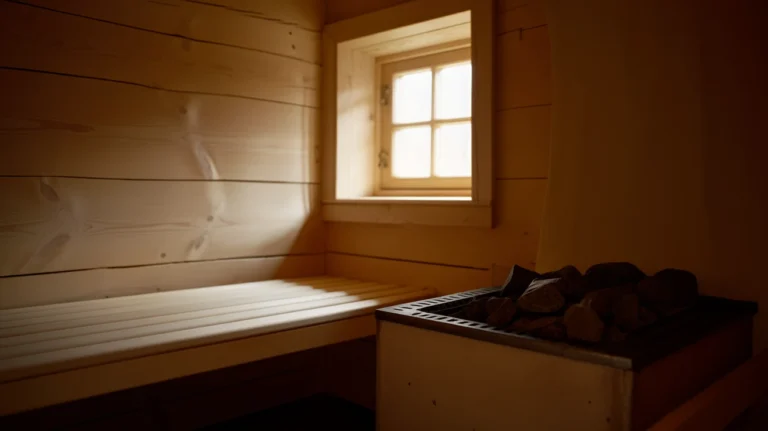
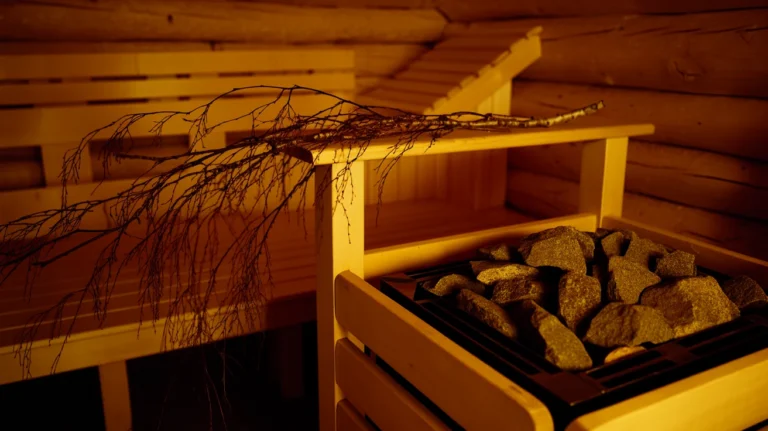
Denmark took the German sauna ritual, gave it a shorter name, and then built an institution around it: a one-day course that ends in an exam, a diploma from the national sauna association, and a national championship that has run since 2004. A saunagus is a guided sauna session in timed rounds, where a trained gusmester pours water and essential oils onto the hot stones and fans the steam around the room with a towel.
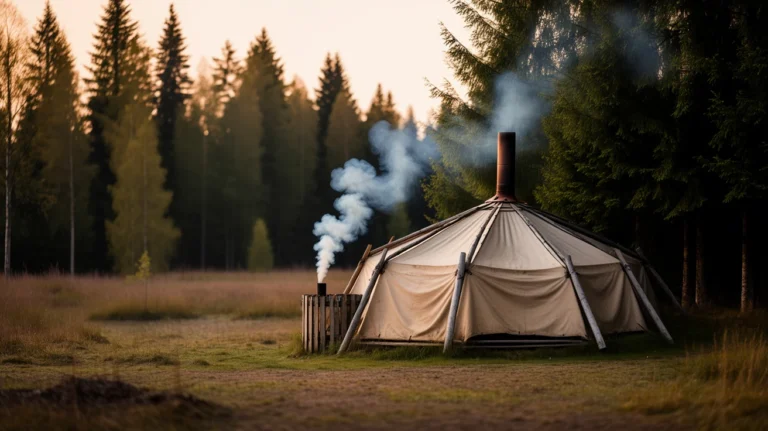
The word is younger than most people assume: Den Danske Ordbog records it only from 1999. And most Danes meet their first one not in a spa but at a winter-bathing club, in a wooden hut with a ladder into cold harbour water. Of all the sauna cultures I’ve looked at, Denmark’s is the most organised.
Where the word comes from
All three Danish words in this story are borrowed and recent. Den Danske Ordbog dates saunagus (the guided session) to 1999, gusmester (the person running it) to 2004, and the standalone noun gus to 2006. All of them trace back to the German Aufguss, literally a pouring-on.
The interesting part is what the borrowing did to the meaning. In German the word names the act of pouring. In Danish, gus names the hot aromatic steam that results, and by extension the whole session built around it. Denmark named the effect rather than the action. The dictionary’s own definition places the gusmester at a bathing establishment or swimming hall, which tells you something about where this ritual actually lives: public pools and club houses, not luxury wellness floors.
Sweden, for comparison, never borrowed a word for the session at all and kept its own name for the room itself, which is roughly where the Swedish bastu tradition parted ways with its southern neighbour.
What actually happens in a session
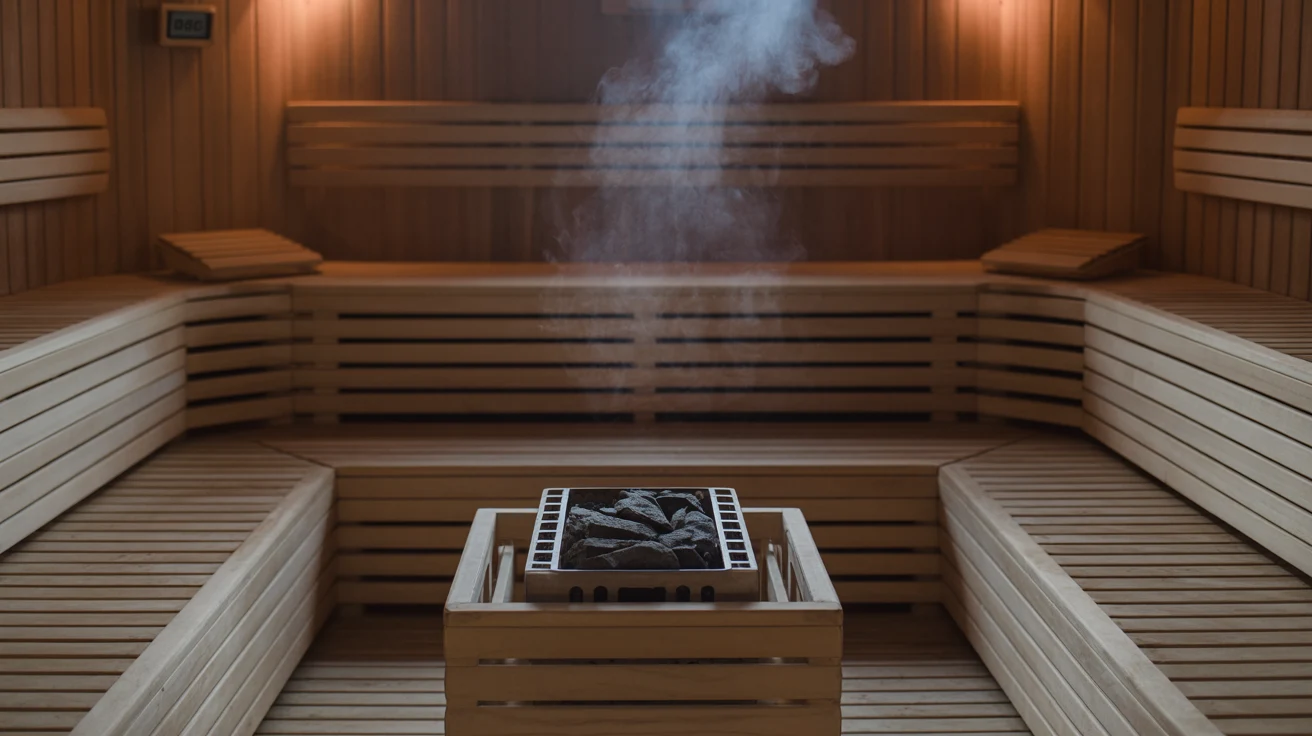
A Danish gus is run in timed rounds with cooling breaks between them, not as one long sit. Surf Agency in Aarhus sells 75 minutes made up of three rounds of 10–12 minutes each. La Sauna, which operates in Aarhus, Odense and Silkeborg, runs three rounds of 10–15 minutes. Themed evening events at Glostrup Svømmehal near Copenhagen stretch to two hours across four rounds.
Each round has a theme, a scent and a soundtrack. Surf Agency names orange, cedarwood and lavender among its oils, plus menthol crystals for the rounds that are meant to sting a little. The gusmester chooses the music and the blend, pours, then works the towel to push the steam down onto the benches, which is the part that turns a hot room into a session you can’t quite leave halfway through. At Sneglen on Amager Strand in Copenhagen, the hour includes guided breathing exercises alongside the steam.
Becoming a gusmester
There is no state qualification and no separate saunagus federation. The national body is Dansk Saunaselskab, a voluntary association registered in 2013 and a member of the International Sauna Association, which describes its purpose as spreading knowledge of sauna and sweat-bath culture in Denmark. It runs one-day gusmester courses that end in an exam; everyone who passes receives a course certificate and a diploma from the association. That’s an association diploma, not a licence.
The curriculum is more technical than the towel-waving suggests: sauna culture, equipment, the physics of stove, heat and air, essential oils and their effects, and then theory and practice of the swing itself. The commercial operator Gusmester.dk runs a parallel full-day course, 8:30 to 16:30, for 2,195 DKK ($335). Students perform a short gus of their own before they get the certificate. In 2026 those courses ran in Skive, at ALSIK in Sønderborg and at Surf Agency in Aarhus as well as Glostrup.
The Danish championship dates back to 2004, when Nørresundby Idrætscenter hosted the first one; the 2022 edition there was the sixteenth, returning after a two-year pandemic gap. The 2026 championship was held in Kastrup on Amager in what the organisers billed as Denmark’s largest sauna, with room for 100 people, across two disciplines, Modern Classic and Showgus. Winners qualify for the world championship. The 2022 judging criteria were fan technique, heat distribution, audience contact, choice of essential oils and storytelling. Yes, storytelling. The towel is only half the score.
The German connection
Saunagus is Denmark’s adaptation of the German Aufguss, and the borrowing runs straight through the vocabulary. Even the dictionary’s usage example for the word has a Dane explaining to someone that the whole thing is a German phenomenon. What’s documented is the lineage, not a tidy list of differences in room size, temperature or intent. Those distinctions get asserted online far more confidently than any source supports.
What you can say is where the Danish version is sold: municipal swimming halls, winter-bathing clubs and harbour venues on the water. For how the ritual runs in its home country, see the page on German Aufguss.
Winter bathing is the reason any of this exists
Danish vinterbadning, winter bathing, goes back to the late 1800s and the era’s enthusiasm for hygiene and hardiness, with the first dedicated facility at Helgoland. For most of the last century it was a niche pursuit for a stubborn minority. Then it wasn’t. DR reported in December 2024, citing the national association, that membership across 188 clubs had gone from roughly 25,000 to 75,000 in a decade. The association’s own current figure is higher still: more than 101,000 members in 226 clubs. It’s organisation-reported and undated, so treat it as the direction of travel rather than a census. The winter of 2020–21 was the inflection point, for reasons everyone remembers.
A club with that many members needs somewhere to warm up, which is how the sauna became standard equipment at Danish winter-bathing clubs. The loop is simple and it’s the same loop everywhere: a heat round, a dip, a rest on the decking, repeat. At a guided session the gusmester sets the clock (round, cold water, round, cold water), so you’re not negotiating with yourself about when to get out. Surf Agency uses a cold-water tub and outdoor showers; the club saunas use the harbour or the sound.
Where to find a saunagus
Public, bookable sessions exist well beyond Copenhagen, and the regional prices are noticeably gentler than the capital’s. These are the venues I could verify with prices from their own sites in September 2026. I’ve left everything in Danish kroner, since the conversion moves and the venues don’t quote dollars.
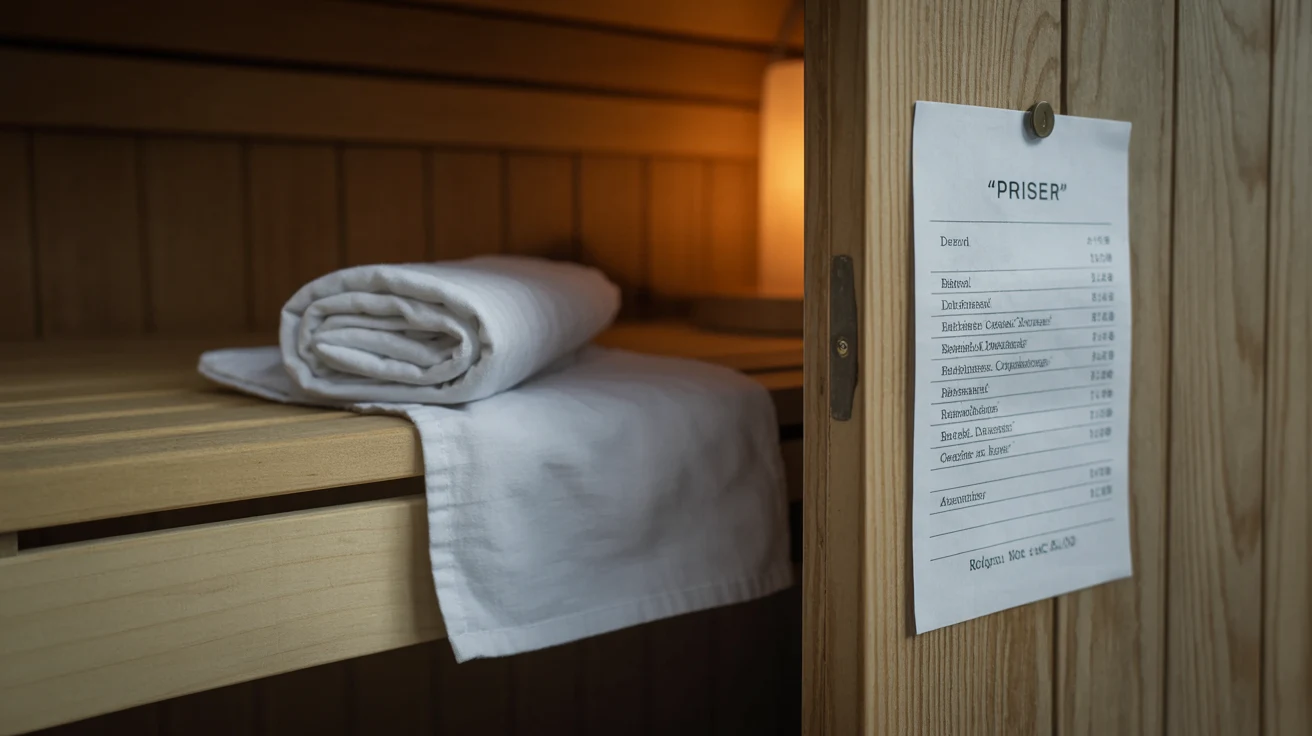
| Venue | City | Format | Price |
|---|---|---|---|
| Skansen (Nørresundby Idrætscenter) | Aalborg | Daily scheduled sessions, roughly 07:30–21:00 | Not published separately |
| Surf Agency | Aarhus (harbour) | 75 min, 3 rounds of 10–12 min | 160 DKK ($24); 700 DKK ($105) for 5; 1,250 DKK ($190) for 10 |
| La Sauna | Aarhus | 3 rounds of 10–15 min | 160 DKK ($24); 700 DKK ($105) for 5; 1,250 DKK ($190) for 10 |
| La Sauna | Odense | 3 rounds of 10–15 min | 100 DKK ($15) |
| La Sauna | Silkeborg | 3 rounds of 10–15 min | 100 DKK ($15) (intro offer to end of September 2026) |
| Sneglen | Copenhagen (Amager Strand) | 1 hour, guided breathing, music | 200 DKK ($31) per person |
| Glostrup Svømmehal (themed events) | Greater Copenhagen | 2 hours, 4 rounds | 295 DKK ($45); 395 DKK ($60) for the marathon format |
Two corrections worth having before you plan a trip, because both get repeated in English-language roundups. La Banchina, the photogenic harbourside sauna in Copenhagen, is a dry sauna: its own house rules say no water on the stones. It’s a good private rental: 1 hour 45 minutes for up to eight people, 800 DKK ($120) Monday to Thursday and 950 DKK ($145) Friday to Sunday, towels 35 DKK ($5), and a fine winter-swimming spot, but by definition you cannot have a gus there. Kalvebod Bølge has no sauna at all; it’s a wooden harbour promenade built for kayaks and running. And if you see Skive or Sønderborg listed, check what you’re booking: those are gusmester course dates, not public sessions.
Etiquette: the rules belong to the venue, not the nation
Denmark has no single national sauna code the way Finland effectively does. Each venue posts its own house rules, and they differ more than you’d expect. La Banchina’s swimwear rule is “naked or not, whatever feels right.” Venues attached to swimming halls and clubs set their own rules, so the only reliable move is to read the venue’s house rules page before you pack.
The practical rules are more consistent: sit on your towel, leave shoes outside, no glassware and no outside food or drink on the benches. At harbour venues, swim inside the marked zone. At La Banchina’s dock a yellow line marks the official city swimming area, and a red light means the water quality is poor that day. La Sauna asks you to arrive about 15 minutes early.
Same water, different intention: Denmark and Finland
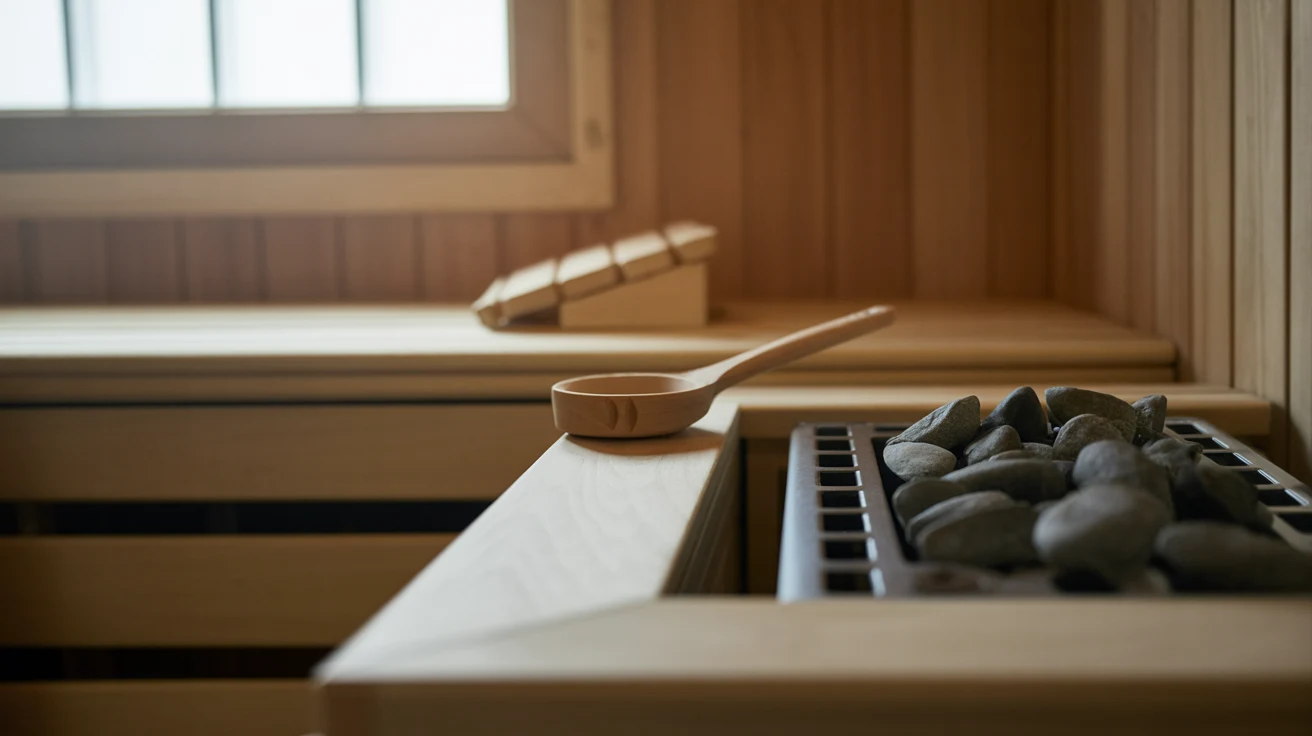
The physics are identical. Water hits hot stones, the stones flash it to steam, humidity spikes, and the room suddenly feels far hotter than the thermometer says. Finns call that burst löyly (the wave of steam that rises when water hits the stones), and in a Finnish sauna the löyly is thrown by whoever happens to be sitting nearest the heater, usually without discussion and definitely without a theme. The Finnish Sauna Society treats the sauna as a quiet room you use, not a show you attend.
A Danish gus takes the same bucket of water and hands it to a certified professional with a playlist, a scent plan and a scoring rubric waiting at the national championship. One culture treats the steam as infrastructure; the other treats it as a performance with an audience. Neither is doing it wrong, but a Finn walking into a Showgus round will spend the first minute working out whether this is still a sauna.
Common questions
What is saunagus?
Saunagus is a guided Danish sauna session in timed rounds, where a trained sauna master called a gusmester pours water, usually mixed with essential oils, onto the hot stones and then fans the aromatic steam around the room with a towel. Sessions typically run three rounds of 10–15 minutes with cooling breaks between them, often with music and a theme for each round.
What is the difference between saunagus and German Aufguss?
Saunagus is Denmark’s adaptation of the German ritual, and the Danish word comes directly from Aufguss, meaning a pouring-on. In Denmark it is sold mostly at swimming halls, winter-bathing clubs and harbour venues. No source I could find supports a systematic contrast with the German version in room size, temperature, setting or intent.
Do you wear swimwear in a Danish sauna?
It depends on the venue, and Denmark has no single national rule. Public pool and club sessions generally expect swimwear; some private harbour saunas explicitly leave it up to you. Check the venue’s house rules page before you go; they all publish one.
How much does a saunagus session cost?
Regional public sessions are cheap: 160 DKK ($24) in Aarhus and 100 DKK ($15) in Odense and Silkeborg as of September 2026, with clip cards bringing the per-session price down further. Copenhagen runs higher: around 200 DKK ($31) for a one-hour guided session at Amager Strand, and 295–395 DKK ($45–60) for the longer themed events near the capital.
Do you need to book a saunagus in advance?
For the smaller guided sessions, yes. Capacity is limited to whoever fits on the benches, and popular slots sell out. Skansen in Nørresundby runs scheduled sessions daily from roughly 07:30 to 21:00, and its booking policy is on its own site. La Sauna asks you to arrive about 15 minutes early.
Is saunagus good for you?
Supporters credit it with everything from better immune function to lower blood pressure, but the Danish-language sources that list those claims also state plainly that there is no scientific evidence for them. General sauna research is a separate question from claims about scented steam and towel work specifically. If you have a heart condition or are pregnant, talk to your doctor before adding heat-and-cold sessions.