Cold Plunge: The Complete Guide
Some links on this page are affiliate links. If you buy through them, I earn a small commission at no extra cost to you. As an Amazon Associate I earn from qualifying purchases.
A cold plunge tub costs less than a decent espresso machine habit over two years – $300 if you DIY a chest freezer conversion, $2,000-7,000 for a commercial tub with a built-in chiller. The water sits between 2-15°C (35-59°F), you stay in for 1-3 minutes, and the research on mood, recovery, and inflammation is stronger than most wellness trends deserve. Here’s everything that actually matters.
The term “cold plunge” gets thrown around loosely. Sometimes it means a purpose-built tub with a chiller. Sometimes it means dumping bags of ice into a stock tank. Sometimes it means a Finnish person casually walking into a frozen lake after sauna because that’s just what you do on a Tuesday. This guide covers all of it – the science, the gear, the protocols, and the honest trade-offs.
What Is a Cold Plunge (And What It Isn’t)
A cold plunge is full-body immersion in cold water, typically between 2-15°C (35-59°F). Scientists call it “cold water immersion” or CWI. The wellness industry calls it a cold plunge. Finns call it Tuesday.
The distinctions matter because they affect your experience, your budget, and your results:
| Method | Temperature Control | Consistency | Setup Cost | Ongoing Cost |
|---|---|---|---|---|
| Cold plunge tub (with chiller) | Precise – set and forget | Same temp every session | $2,000-15,000+ | ~$40-70/month (electricity + filters) |
| DIY chest freezer | Good – external controller | Consistent once dialed in | $300-600 | ~$30-50/month electricity |
| Manual ice bath | None – temp rises as ice melts | Different every time | $50-200 (container) | $5-15/session for ice |
| Cold shower | Limited by your pipes | Varies by season/region | $0 | $0 |
A cold shower is not a cold plunge. Your tap water typically runs 10-15.5°C (50-60°F) depending on where you live and the season – warmer than most cold plunge protocols recommend. More importantly, showers lack the full-body immersion and hydrostatic pressure that CWI research specifically studies. Cold showers are a good starting point, not a substitute.
Health Benefits: What the Research Actually Shows
Cold plunge benefits are real, but the claims circulating on social media often outrun the evidence. Here’s where the science stands.
Mood and Mental Health
This is the most immediately noticeable effect, though the research behind it is still small. A 2023 experimental study published in Biology (MDPI) found that short-term head-out cold water immersion facilitates positive affect and increases interaction between large-scale brain networks. CWI affects serotonin, cortisol, dopamine, norepinephrine, and β-endorphin levels – which explains why people describe feeling electric after a cold plunge.
A 2025 systematic review and meta-analysis in PLoS ONE found improvements in sleep quality and quality of life, but not in mood, and noted that the earlier evidence for a mood boost comes from one small, non-randomized trial held in a group setting at the beach. Most people who cold plunge regularly will tell you the mood effect is the reason they keep doing it.
Exercise Recovery
A 2022 systematic review with meta-analysis in Sports Medicine found that CWI compared with passive recovery improves athletic performance recovery. The mechanisms likely include reduced thermal strain, swelling, inflammation, muscle spasm, and pain, along with potential mood improvement via endorphin release. If you train hard, this is relevant. If you don’t, other benefits matter more.
Inflammation and Stress Markers
The 2025 PLoS ONE systematic review found that CWI delivers time-dependent effects on inflammation and stress – meaning duration matters for outcomes. Cold water immersion has also been shown to increase blood levels of norepinephrine, a neurotransmitter and hormone involved in attention, focus, and mood regulation.
Neuroprotection (Emerging)
A 2024 narrative review in the Journal of Neuropsychiatry and Clinical Neurosciences suggested that cold water immersion may be neuroprotective in neurodegenerative disorders through neurohormesis mechanisms. This is early-stage research – interesting but not something to base health decisions on yet.
What to Be Skeptical About
Claims that cold plunges “boost your immune system,” “burn fat,” or “cure depression” are exaggerations of preliminary findings. The mood lift is what most people feel first, though the studies behind it are small. The recovery benefit is well-supported for athletes. Everything else is “research suggests” territory – promising but not proven.
Temperature and Duration: The Numbers That Matter
The optimal cold plunge temperature is 2-15°C (35-59°F). That’s a wide range, and where you fall in it depends on your experience level and goals.
| Level | Temperature | Duration | Notes |
|---|---|---|---|
| Beginner | 12-15°C (54-59°F) | 30-60 seconds | Uncomfortable but manageable. Start here. |
| Intermediate | 7-12°C (45-54°F) | 1-3 minutes | Where most regular practitioners settle |
| Advanced | 2-7°C (35-45°F) | 2-5 minutes | Genuinely cold. Not necessary for benefits. |
Most CWI research protocols use temperatures between 10-15°C (50-59°F) – warmer than many enthusiasts target. Going colder isn’t necessarily better. It is, however, more dramatic on Instagram.
Duration and temperature are inversely related: colder water means shorter immersion. Three minutes at 10°C is a very different experience than three minutes at 4°C. The 2025 PLoS ONE systematic review found time-dependent effects, suggesting that staying in longer does change outcomes – but “longer” in cold water always carries more risk.
Cold Plunge Tub Options
Your three main paths are commercial tubs, DIY chest freezer conversions, and manual ice baths. Each has genuine trade-offs.
Commercial Plunge Tubs ($2,000-15,000+)
Purpose-built tubs with integrated chillers, filtration, and temperature control. You set your target temperature, the chiller maintains it, and the water stays clean between sessions. Plunge is the most visible brand in this space – their All-In Gen 2 features a built-in pro chiller that reaches as low as 37°F (2.8°C), app-controlled temperature and timers, and fits people up to 6’9″. It works in outdoor ambient temperatures from 33-120°F and sets up in under an hour.
Budget commercial tubs from smaller brands run $2,000-4,000 with external chillers. Mid-range options like Plunge run $4,000-7,000 with built-in chillers. Premium tubs with larger capacities and upgraded materials go $7,000-15,000+. Ongoing costs are roughly $30-50/month for electricity (chiller dependent on ambient temperature) plus $10-20/month for filters and water treatment.
DIY Chest Freezer Conversion ($300-600)
The budget-conscious option that actually works well. You fill a 7-10 cubic foot chest freezer with water, use an external temperature controller to regulate the compressor, and add a small pump and filter. The total build breaks down to: chest freezer ($150-300), temperature controller ($30-50), small pump/filter ($30-80), silicone sealant and fittings ($20-50), and an optional ozone generator ($50-100).
The downsides: it’s not pretty, the ergonomics of climbing into a chest freezer are awkward, and you’re voiding the warranty on a freezer that wasn’t designed to hold water. It works, but it requires more maintenance than a purpose-built tub.
Manual Ice Bath ($50-200 + Ice)
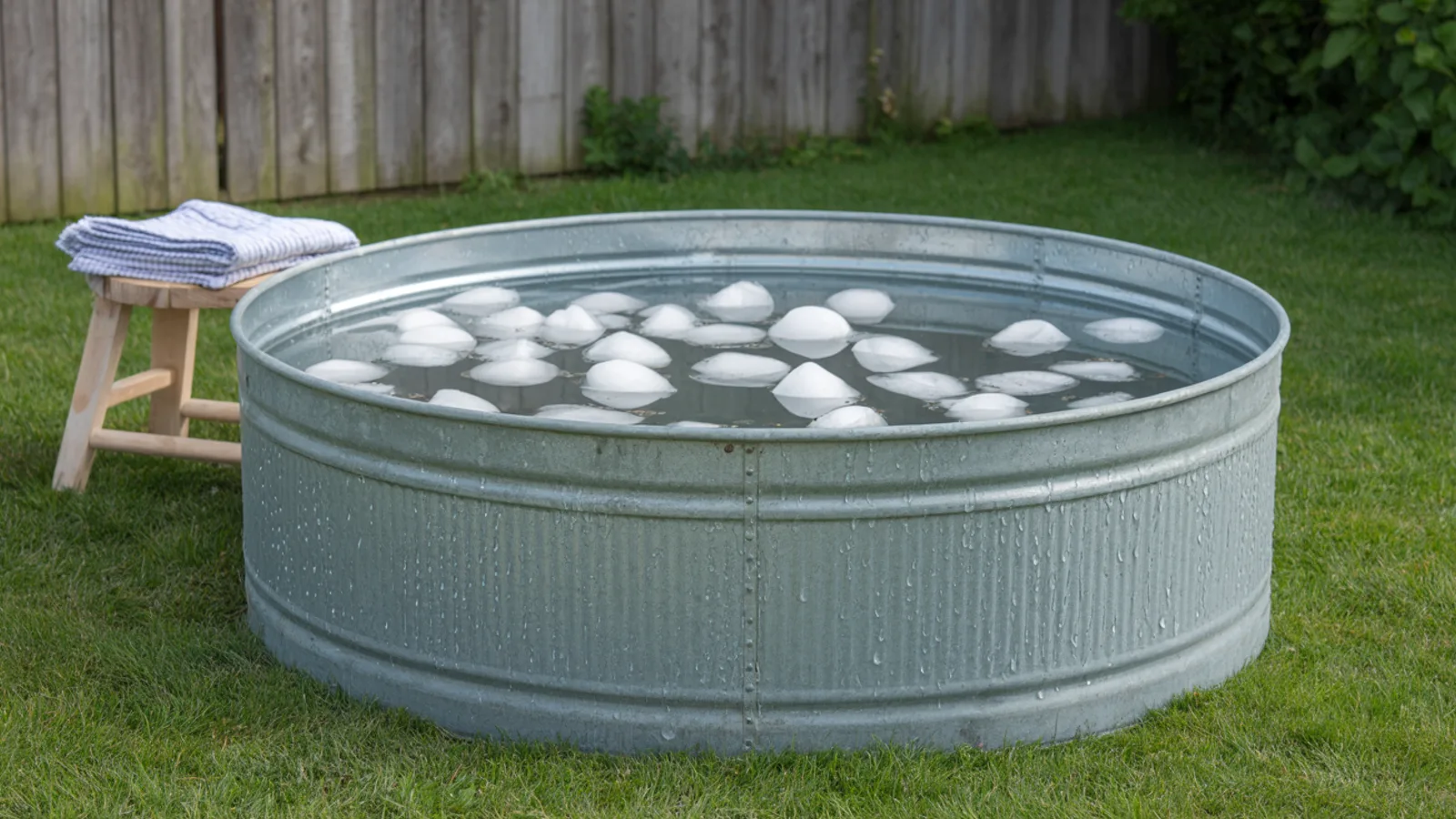
A stock tank or large tub filled with water and 40-100 lbs of ice. Cheapest entry point, but temperature is inconsistent – it starts cold and warms as ice melts. At $5-15 per session for ice, costs add up. Over a year of daily use, you’ll spend more on ice than a chest freezer conversion costs up front.
| Option | Upfront Cost | Monthly Cost | Temperature Consistency | Convenience |
|---|---|---|---|---|
| Commercial tub | $2,000-15,000+ | $40-70 | Excellent | High – ready anytime |
| DIY chest freezer | $300-600 | $30-50 | Good | Medium – some maintenance |
| Manual ice bath | $50-200 | $150-450 (daily ice) | Poor | Low – prep each session |
Sauna + Cold Plunge: Contrast Therapy
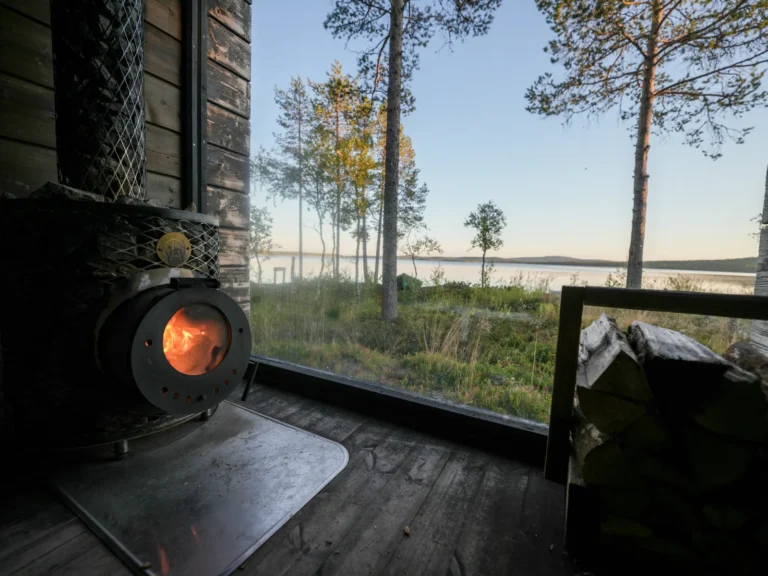
If you already have a sauna – or you’re considering one – cold plunge is its natural partner. This isn’t a modern wellness invention. Finns have been alternating between sauna heat (80-100°C / 176-212°F) and cold water for centuries. The sauna warms you, the cold water shocks you awake, and then you sit quietly and feel the kind of calm that nothing else quite replicates.
A typical contrast therapy session: 10-20 minutes in the sauna, 1-3 minutes in cold water, repeat for 3-4 rounds. The temperature swing from 90°C to 5°C is enormous – your cardiovascular system gets a workout, your mood elevates dramatically, and the post-session feeling is hard to describe to anyone who hasn’t experienced it.
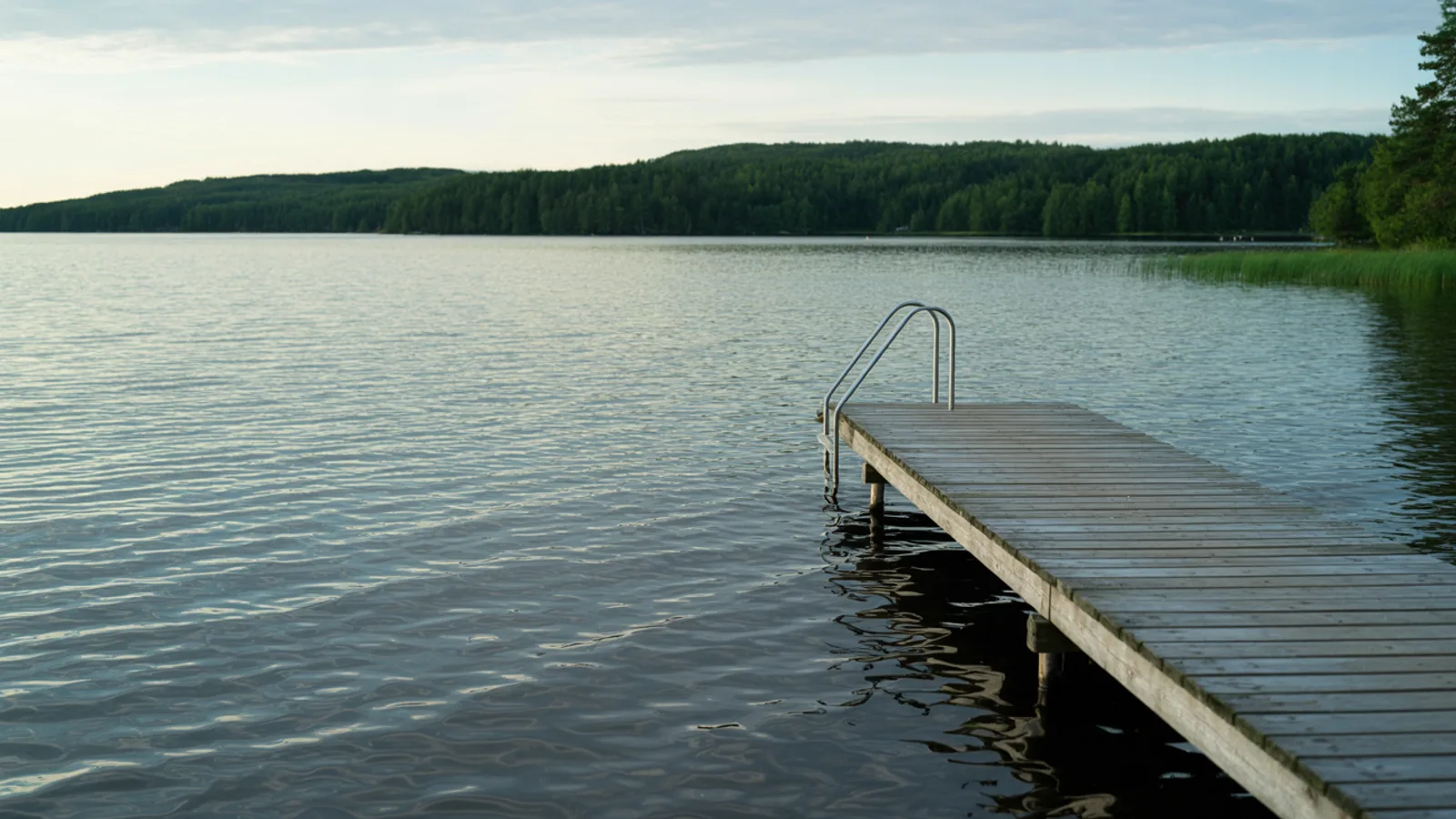
In Finland, the cold element is whatever’s available – a lake, a snowbank, an avanto (hole cut in ice). No chiller required. If you’re building a home setup, placing a cold plunge tub near your sauna creates the simplest contrast therapy routine possible.
Safety: The Risks That Actually Matter
Cold water immersion carries real risks, and most of them concentrate in the first few minutes.
Cold Shock Response
This is the big one. When you first enter cold water, your body triggers an involuntary gasping reflex, hyperventilation, and rapid heart rate increase. This cold shock response is the most dangerous phase – it typically lasts 1-3 minutes and creates a real drowning risk if you involuntarily inhale water. It’s why you should never cold plunge alone, especially as a beginner.
Cardiovascular Stress
Cold water causes vasoconstriction, increases blood pressure, and raises heart rate. If you have cardiovascular disease, uncontrolled hypertension, or heart arrhythmias, consult your doctor before trying CWI. This isn’t a standard liability disclaimer – the cardiovascular load from sudden cold immersion is significant.
Hypothermia
Extended immersion or very cold temperatures can lead to hypothermia. Risk increases meaningfully below 10°C (50°F) and with durations exceeding 10-15 minutes. At the temperatures most enthusiasts target (2-7°C), staying in too long transitions from “uncomfortable but fine” to “dangerous” faster than you’d expect.
Who Should Not Cold Plunge
People who are pregnant, have Raynaud’s disease, cold urticaria, open wounds, active infections, or cardiovascular conditions should avoid CWI or consult a physician first. This list isn’t exhaustive – if you have any pre-existing health condition, talk to your doctor.
Beginner Protocol: Your First Month
You don’t start at 3°C for three minutes. Here’s a sensible progression:
Weeks 1-2: Cold showers. End your regular shower with 30-60 seconds of the coldest water your pipes offer. This acclimates your body to cold shock without the immersion risk. It’s uncomfortable. That’s the point.
Weeks 3-4: Brief immersions. Move to actual water immersion at the warmer end of the range – around 15°C (59°F) – for just 30-60 seconds. Focus entirely on controlling your breathing: inhale through your nose, exhale slowly through your mouth. The breathing matters more than the duration.
Weeks 5+: Gradual progression. Lower temperature and increase duration over time. Work toward 2-3 minutes at 10-15°C (50-59°F). There’s no rush. Start with 2-3 sessions per week and increase to daily only if it feels sustainable.
Advanced (months in): Some practitioners work toward 2-5 minutes at 2-7°C (35-45°F). This isn’t necessary for the health benefits – most research uses temperatures of 10-15°C. But if you enjoy it, your body will adapt.
What a Cold Plunge Actually Costs
The full cost picture, including what people forget about:
| Category | Upfront | Monthly Ongoing | Year 1 Total |
|---|---|---|---|
| DIY chest freezer | $300-600 | $30-50 (electricity) | $660-1,200 |
| Manual ice bath (daily) | $50-200 | $150-450 (ice) | $1,850-5,600 |
| Budget commercial tub | $2,000-4,000 | $40-70 | $2,480-4,840 |
| Mid-range commercial | $4,000-7,000 | $40-70 | $4,480-7,840 |
| Premium commercial | $7,000-15,000+ | $40-70 | $7,480-15,840+ |
The manual ice bath looks cheapest at first glance. But if you plunge daily, the ice alone costs $1,800-5,400 per year. A chest freezer conversion pays for itself within a few months compared to buying ice. The most cost-effective approach depends entirely on how often you plan to use it.
Commercial tubs come with convenience that’s worth something real: set your temperature, walk up to it whenever you want, get in. No prep, no cleanup, no ice runs. Whether that convenience is worth $4,000+ depends on your budget and how likely you are to actually use a setup that requires work.
Common Questions
How cold should a cold plunge be?
The effective range is 2-15°C (35-59°F). Most research protocols use 10-15°C (50-59°F), which is where beginners should start. Advanced practitioners may go as low as 2-4°C (35-39°F), but colder isn’t necessarily better for health outcomes – it’s simply more intense. Find a temperature that’s challenging but sustainable for your target duration.
How long should you stay in a cold plunge?
For most people, 1-3 minutes is the practical range. Duration depends on temperature: 3 minutes at 12°C is manageable for intermediates, while 3 minutes at 4°C is an advanced practice. Beginners should start at 30-60 seconds and build gradually over weeks. The mood and alertness benefits kick in well within the first minute.
Do cold plunges actually work?
Yes, with caveats. The mood lift has some support: a 2023 study in Biology found CWI facilitates positive affect and affects multiple neurotransmitter systems, though a 2025 meta-analysis in PLoS ONE did not find a mood improvement. Athletic recovery benefits are backed by a 2022 meta-analysis in Sports Medicine. Effects on inflammation show promise in a 2025 systematic review. Claims beyond these – fat burning, immune boosting, disease curing – are either preliminary or exaggerated. The mood benefit alone is reason enough for most people.
Is a cold plunge safe?
For healthy adults, yes – with precautions. The main risk is the cold shock response during the first 1-3 minutes: involuntary gasping, hyperventilation, and rapid heart rate increase. Never plunge alone, especially as a beginner. People with cardiovascular conditions, uncontrolled hypertension, Raynaud’s disease, or who are pregnant should consult a physician first. Start conservative – warmer temperatures, shorter durations – and progress gradually.
Cold plunge or cold shower – does it matter?
It matters. CWI research specifically studies full-body immersion, not showers. Cold showers can’t reach the same low temperatures (tap water typically runs 10-15.5°C), and they lack the hydrostatic pressure from immersion that contributes to physiological effects. Cold showers are an excellent starting point and acclimatization tool, but they’re not equivalent to immersion for the benefits studied in the literature.