American Sauna History: Sweat Lodge to Wellness Boom
The oldest continuous sweating traditions in North America predate any sauna by thousands of years, and they aren’t saunas at all. The Indigenous sweat lodge and the Finnish sauna arrived on this continent by completely separate routes, stayed separate, and mostly still are. What Americans now call “sauna culture” is a third thing again: a Finnish immigrant inheritance that nearly died in the 20th century and got resurrected, oddly, by a Stanford neuroscientist’s podcast.
If you want the short version: the practice came in through the Great Lakes with Finnish miners and farmers, faded when their grandchildren assimilated, and roared back after 2020 as a recovery-and-longevity tool. The version most Americans meet today runs cooler than a Finnish original, allows swimsuits, and often isn’t wood-fired. Here’s how it got that way.
Two sweating traditions, not one
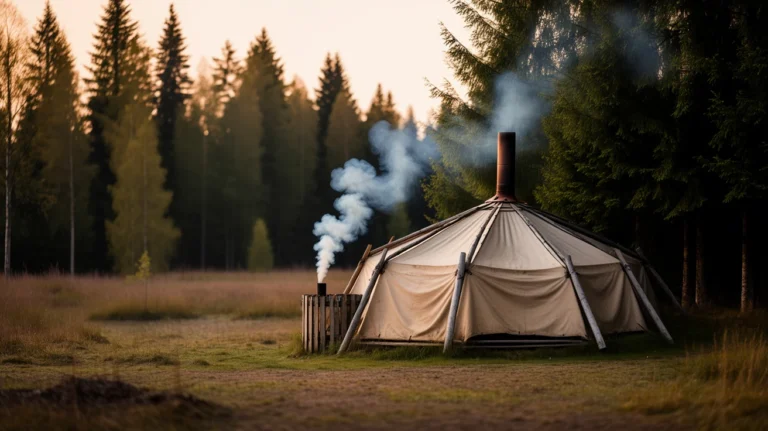
Long before Finns showed up, Indigenous peoples across the continent were using sweat structures for ceremony, purification, and healing. These are ritual spaces led by a knowledge-keeper, heated by stones carried in from an outside fire, with water poured to raise steam. The parallels to Finnish practice are real but coincidental, two cultures independently discovering that hot stones and water do something to the body and the mind.
It’s worth being clear about the line between them. The sweat lodge is a sacred ceremony, not a wellness amenity, and treating it as interchangeable with a spa sauna misreads what it is. The Finnish sauna that spread through American towns is a secular bathing habit. They share a mechanism and almost nothing else.
Finns bring the sauna to the Great Lakes
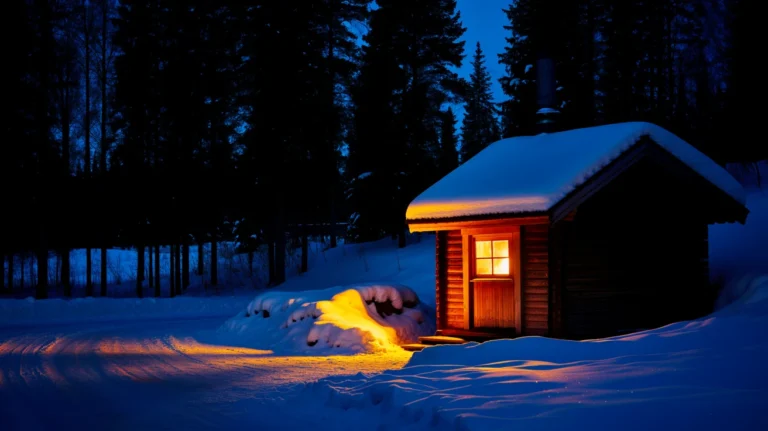
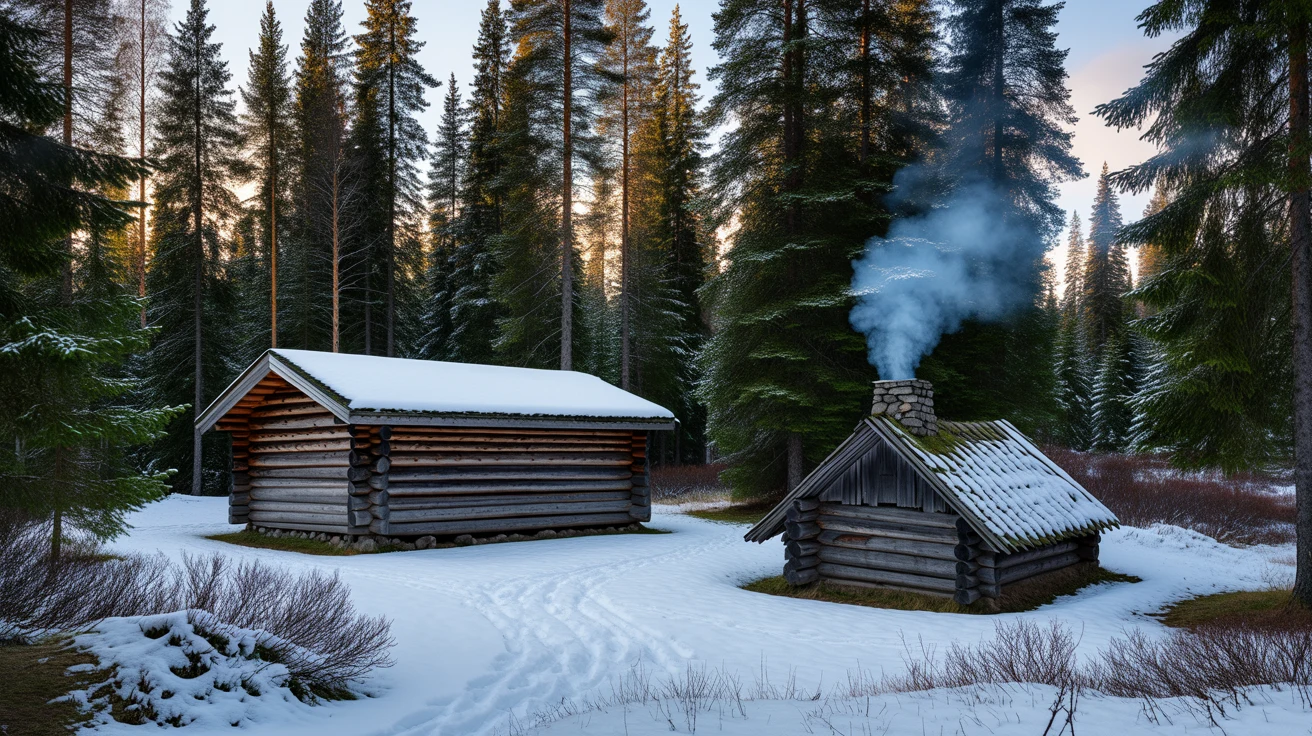
The American sauna proper came with the great wave of Finnish immigration, which peaked between roughly 1900 and 1920 and brought somewhere near 300,000 Finns to the United States. They settled where the work was: iron and copper mining, logging, and hardscrabble farming across Minnesota, Michigan’s Upper Peninsula, and northern Wisconsin. The cold, forested, lake-strewn landscape was close enough to home that the first thing many families built wasn’t a house. It was the sauna.
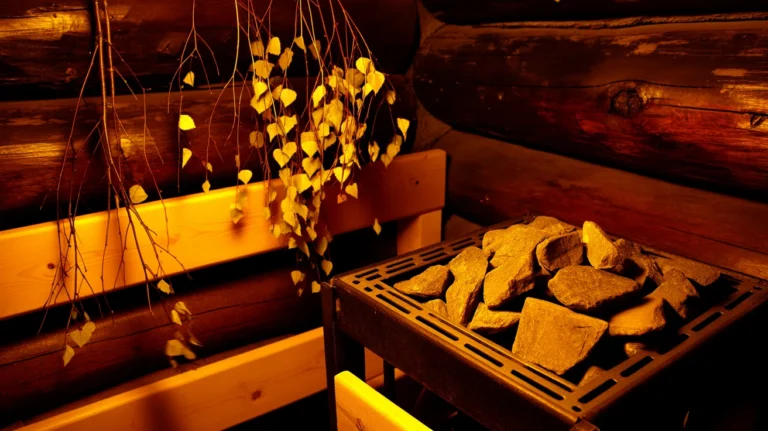
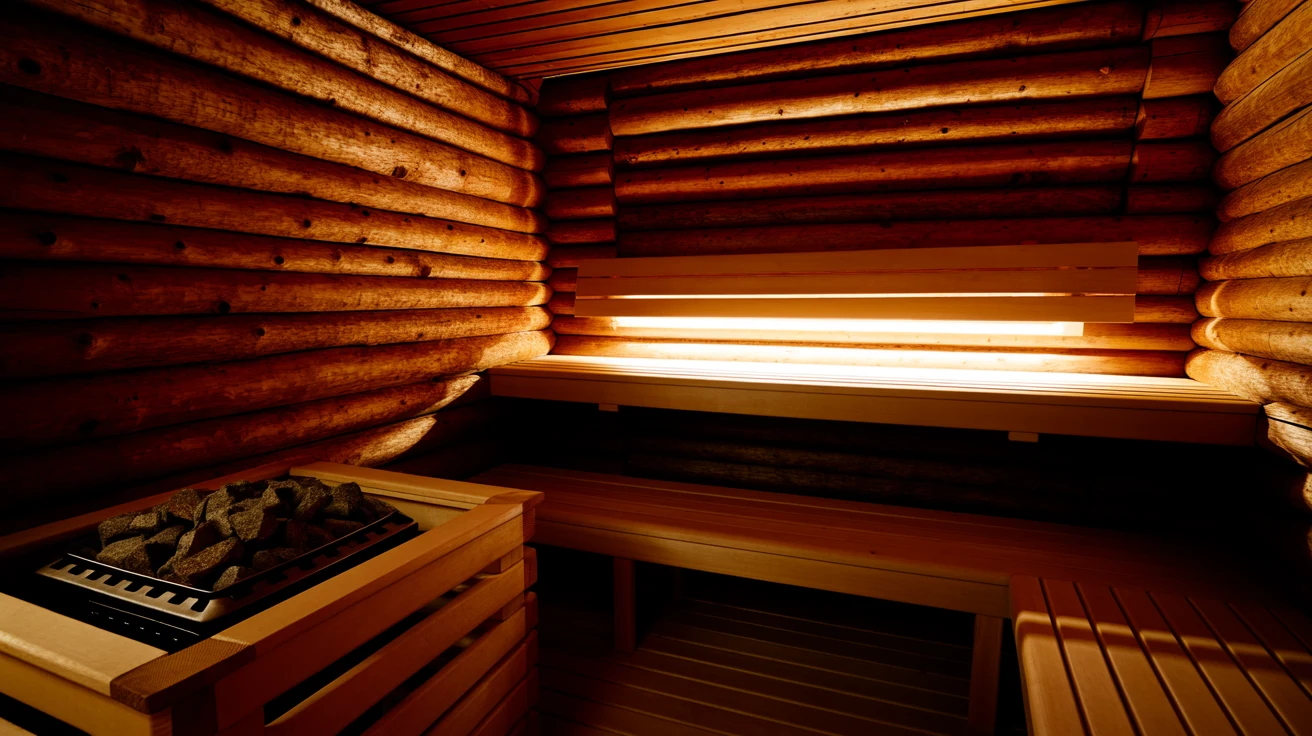
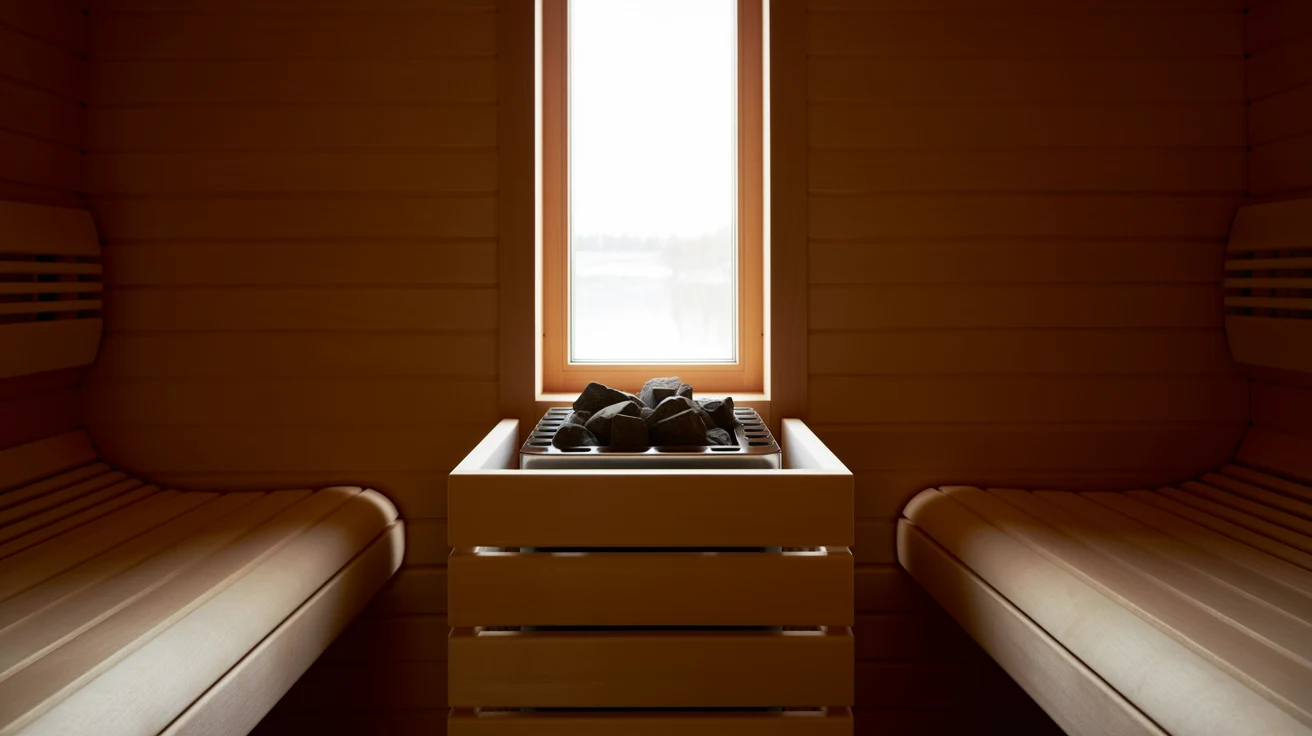
Often the sauna went up first and the family lived in it while the house was framed. That order of operations tells you how essential it was. These were wood-fired rooms heated by a kiuas (sauna heater), reaching a true Finnish sauna temperature of 80–90°C (176–194°F), with water thrown on the stones for löyly (the burst of steam that separates a real sauna from a hot room).
The 20th-century fade
The tradition thinned out for the same reason most immigrant customs do: the grandchildren assimilated. English replaced Finnish at the dinner table, families moved to cities and suburbs with indoor plumbing, and the backyard bathhouse started to look like a relic instead of a necessity. Mid-century America associated “sauna” less with a wood-fired room on a lake and more with a tiled box at the gym or the motel pool deck.
That gym-and-motel sauna is where a lot of Americans first met the word, and it shaped their expectations badly. It ran lukewarm, it was bone-dry because the electric heater wasn’t rated to take water, and a laminated sign warned against pouring any. In Finland this problem is solved by buying a heater built to be doused. In America it’s solved by printing a sign.
The wellness boom and the Huberman effect
Then, in the last few years, the sauna came back hard, this time as a longevity and recovery tool rather than an ethnic heirloom. A large share of the credit goes to the podcast circuit, where health-focused shows walked millions of listeners through the cardiovascular and stress-resilience research. When neuroscientist Andrew Huberman devoted episodes to heat exposure, US sauna interest roughly tripled over two to three years, and the buyers were mostly people with no Finnish grandparent at all.
The evidence they were reacting to is genuine but should be read carefully. Long-running observational research from Finland suggests that frequent sauna use is associated with lower cardiovascular and all-cause mortality, and organizations like the Finnish Sauna Society have long argued for the practice’s health role. Association is not causation, the strongest data is observational, and none of it means a sauna treats a disease. If you have a heart condition, that’s a doctor conversation, not a podcast one.
How the American sauna diverges from the Finnish one
The sauna that came out of this boom is recognizably its own thing. It runs cooler, it’s more likely to be infrared or a swimsuit-mandatory shared room, and it’s framed around measurable benefits rather than the unhurried social ritual Finns take for granted. None of that is wrong, but it’s a different animal.
| Feature | Finnish original | Typical American version |
|---|---|---|
| Temperature | 80–90°C (176–194°F) | Often 60–80°C, sometimes lower |
| Heat source | Wood-fired or water-rated electric | Frequently electric or infrared |
| Löyly (steam) | Central; water thrown freely | Often discouraged or impossible |
| Clothing | Usually nude, single-sex or family | Swimsuits common in shared spaces |
| Framing | Social ritual, cleansing, rest | Recovery, longevity, biohacking |
The infrared question is the sharpest divide. Infrared cabins heat up in 10–15 minutes and are easy to install, but they produce no steam at all, which is why purists don’t count them. Whether that matters to you is the whole argument, and it’s worth reading the full infrared versus traditional case before you spend money on either.
Where American sauna culture actually lives today
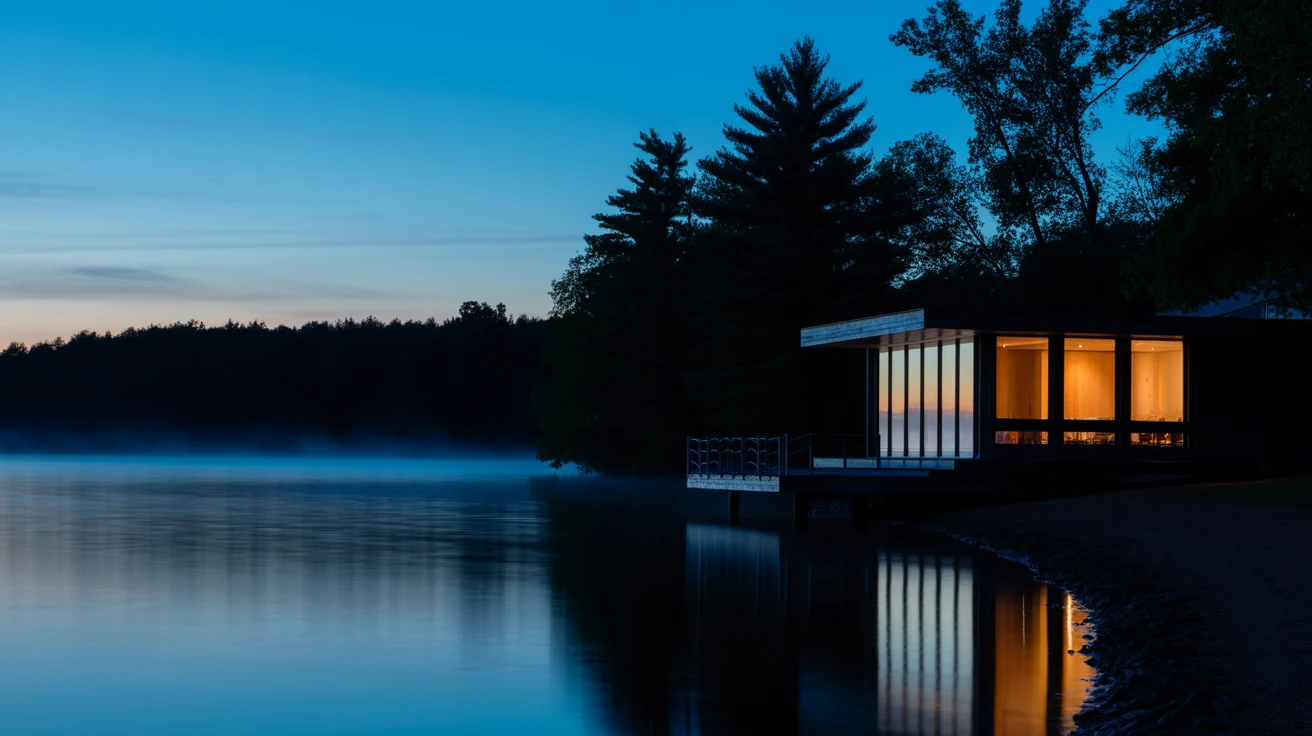
Beyond the Finnish-descended communities of the Upper Midwest, the modern scene clusters in a few places: Minneapolis and Duluth, where mobile and lakeside saunas have become a genuine civic thing; Pacific Northwest cold-plunge-and-sauna crowds; and the mountain towns where the recovery angle sells itself. Public bathhouses in a handful of cities have revived the shared, social model that most of the country lost.
This is a young revival built on an old foundation, and it’s still deciding what it wants to be. Some of it is honest inheritance from those Minnesota bathhouses, and some of it is optimism dressed up as risk management. If you’re trying to experience the real thing, the best saunas in the United States lean heavily toward the places that kept the tradition alive rather than the ones that rediscovered it on a podcast. It sits inside the broader story of sauna cultures worldwide, and it’s the youngest chapter in it.
FAQ
When did saunas come to America?
The Finnish sauna arrived with the wave of Finnish immigration that peaked between about 1900 and 1920, when roughly 300,000 Finns settled in the United States. They concentrated in Minnesota, Michigan’s Upper Peninsula, and Wisconsin, where many families built a wood-fired sauna before they finished the house.
Is the American sweat lodge the same as a sauna?
No. The Indigenous sweat lodge is a sacred ceremony with deep spiritual meaning, developed independently over thousands of years. The Finnish-derived sauna is a secular bathing practice brought by immigrants. They share the mechanism of hot stones and steam but are culturally distinct, and the two should not be treated as interchangeable.
Why did American sauna use grow so fast recently?
A wellness and longevity boom, amplified heavily by health podcasts, drove new interest. When Andrew Huberman and similar shows covered the cardiovascular and stress research, US sauna interest roughly tripled over two to three years, mostly among people with no prior sauna background.
Why are American saunas cooler than Finnish ones?
Many American saunas are infrared or gym-style electric units that run cooler, often 60–80°C, versus the Finnish sweet spot of 80–90°C. Shared commercial spaces also tend to discourage throwing water on the stones, which limits both the heat and the löyly a Finnish bather expects.
Where is the most authentic sauna culture in the US?
Minnesota, particularly the Iron Range and the Finnish-settled towns north of Duluth. The community and lakeside sauna tradition, along with the weekly Saturday bathing rhythm, survived there longer and more intact than anywhere else in the country.