Swedish Bastu: How It Differs from Finnish Sauna
Sweden has around 2.5 million saunas for 10.5 million people, which sounds like a lot until you notice that Finland, with half the population, has more. Swedish sauna culture is real, old, and quieter than its neighbor’s. The word here is bastu (the Swedish word for sauna, a contraction of “badstuga,” meaning bath cottage), and the tradition it names is close enough to the Finnish version to confuse a tourist and different enough to notice once you’re inside.
If you’ve spent time in a Finnish sauna and expect the same thing across the Gulf of Bothnia, you’ll mostly be right. But the differences are worth knowing before you book a session in Stockholm or get invited to a lakeside cabin outside Gothenburg.
What bastu actually means
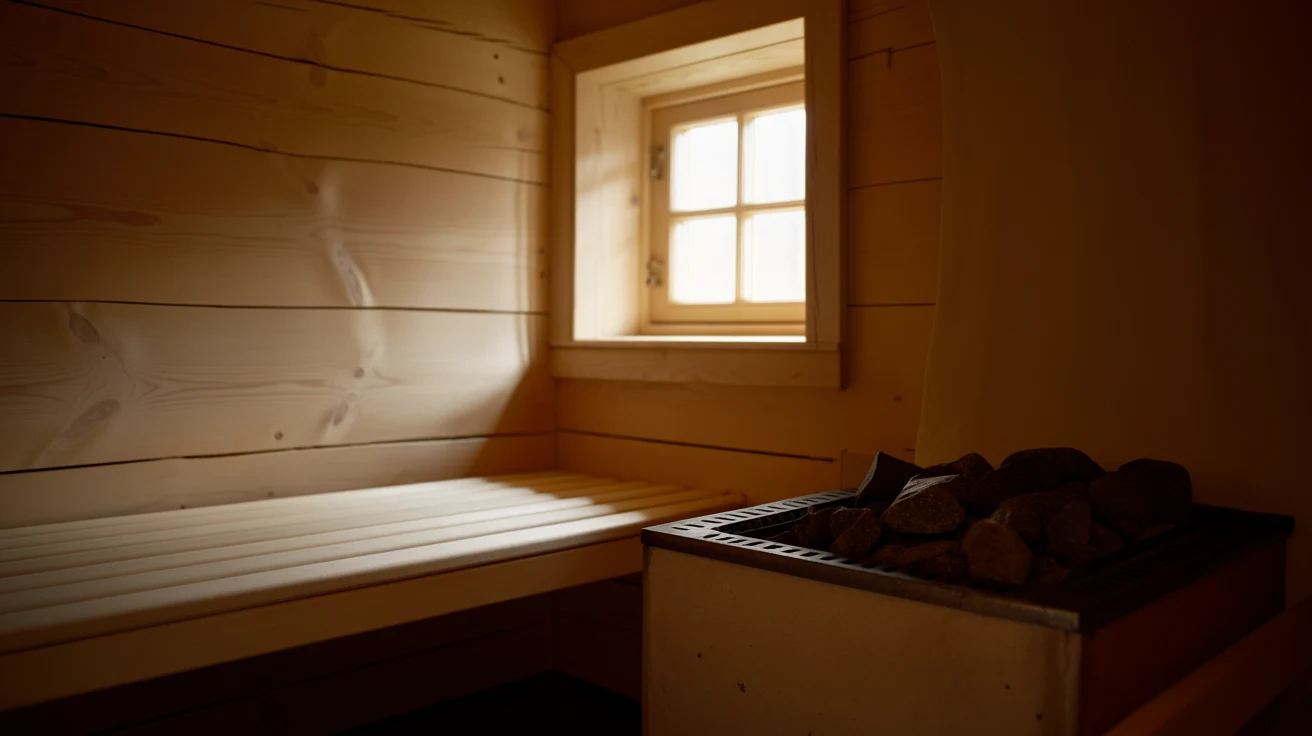
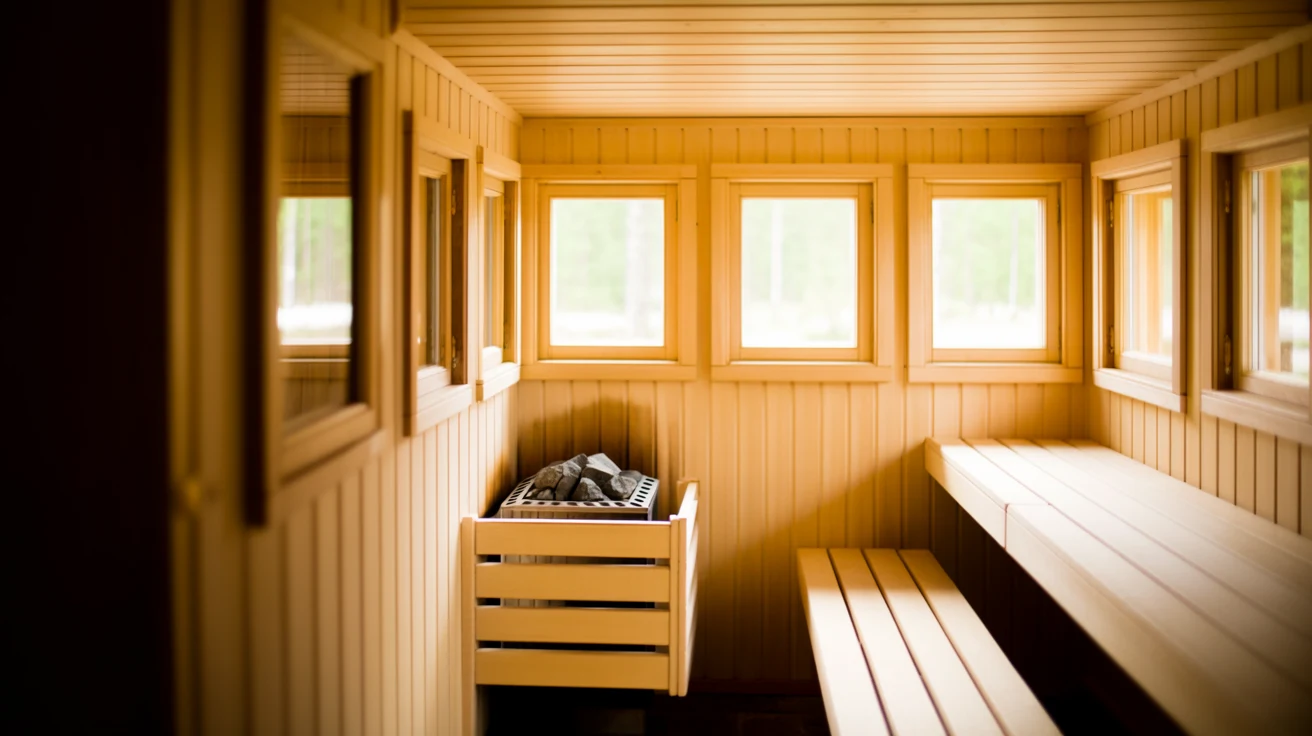
The bath cottage is the same appliance you know: a wood-lined hot room heated by a stove topped with stones, entered to sweat and then cool off. Temperatures run in the same Finnish range, 70-100°C (158-212°F), with 80-90°C the comfortable middle. You throw water on the stones for steam, you sit on the top bench where it’s hottest, you leave when you’ve had enough.
The word carries slightly less cultural weight in Sweden than its equivalent does in Finland, where the sauna is close to a national religion. In Sweden it’s a beloved habit rather than a defining one. That distinction shapes almost everything else about how Swedes use it.
How Swedish sauna culture differs from Finnish
The core practice is nearly identical, so the differences are matters of intensity and emphasis rather than mechanics. Finns treat the sauna as a place apart, near-sacred, where you lower your voice and your phone stays in another building. Swedes are a touch more relaxed and social about it, and a touch more likely to treat it as one amenity among several rather than the center of the evening.
Mixed-gender nude bathing is common in Finnish family and cottage settings but more variable in Sweden, where public facilities lean toward gender-separated or swimsuit sessions. The steam ritual itself, the löyly, matters in both countries but gets talked about with more reverence on the Finnish side.
| Aspect | Swedish bastu | Finnish sauna |
|---|---|---|
| Cultural weight | Beloved habit | National institution |
| Saunas per capita | ~1 per 4 people | ~1 per 2 people |
| Public facilities | Often swimsuit or gender-split | Often nude, gender-split |
| Cold dip | Central, often sea-based | Central, often lake-based |
| Signature venue | Kallbadhus (cold bath house) | Public löyly saunas |
Löyly (the burst of steam when you throw water on hot stones) is the shared heart of both traditions. Throw water, get a wave of humid heat, feel it on your skin, repeat. Neither country would recognize a dry infrared box as the real thing.
Public bastu in Sweden
Most Swedish towns have a public bath house or swimming hall with a sauna attached, and gym saunas are everywhere. These are unremarkable in the best sense: functional wood rooms where locals warm up after a swim. Swimsuits are the norm in mixed public settings, which is one of the clearer breaks from Finnish habit.
The cottage bastu tradition
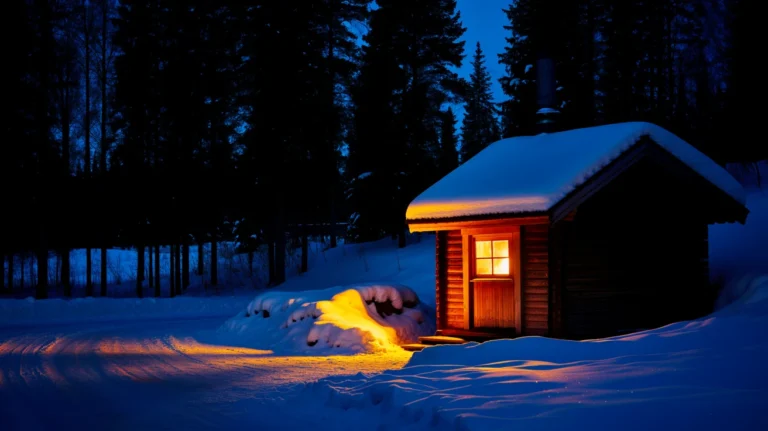
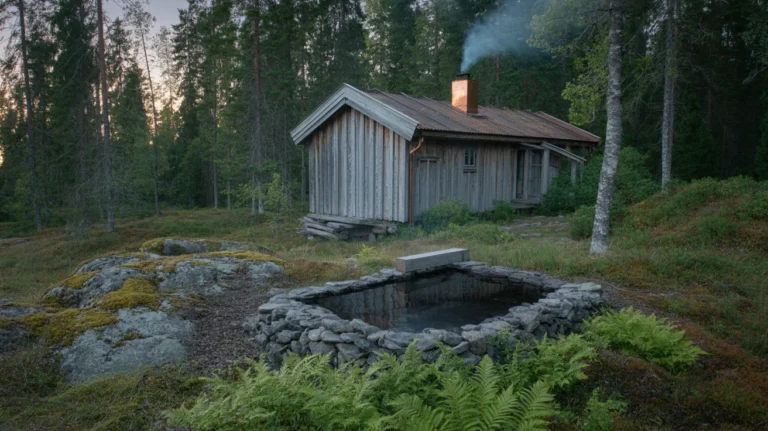
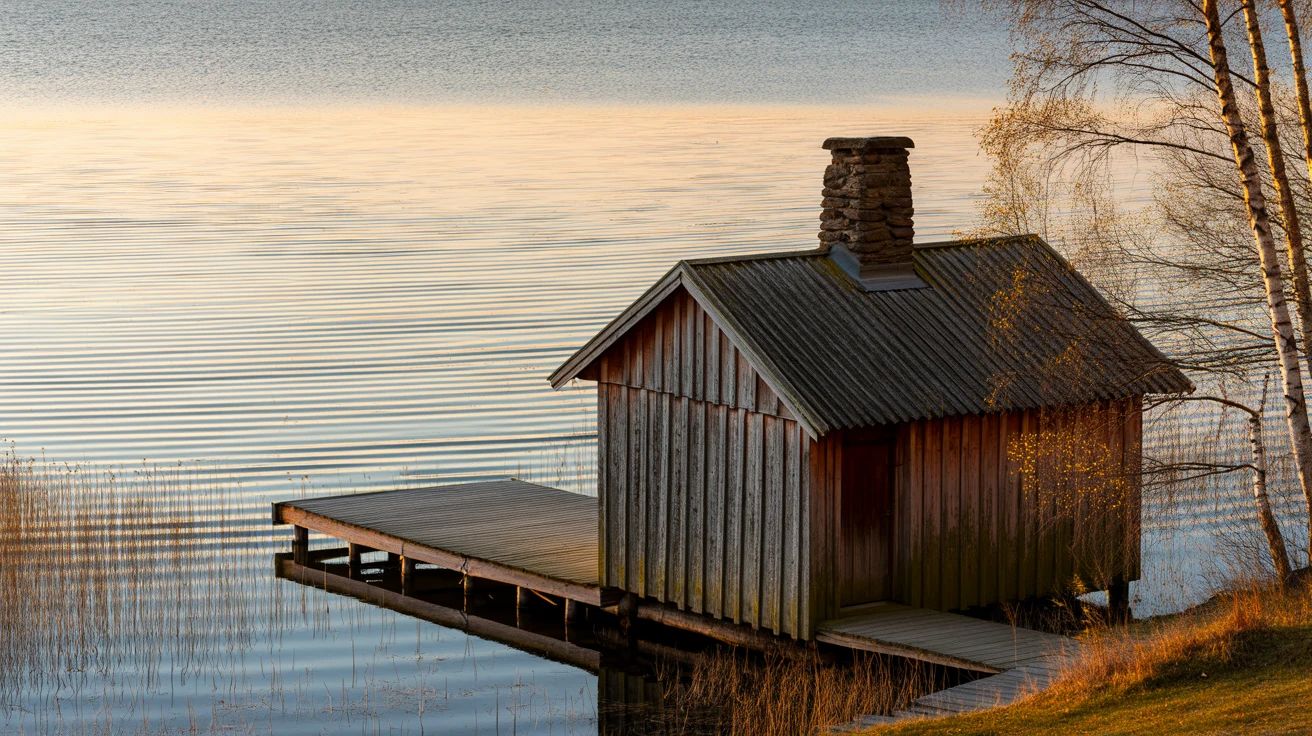
The version most Swedes are sentimental about is the one at the summer cottage. A small wooden bath house by a lake or the sea, wood-fired, heating up in the standard 30-45 minutes, followed by a run down to the water. This is where the culture lives most fully, away from the swimsuit rules and the chlorine.
The rhythm is the familiar one: two or three rounds of 10-20 minutes in the heat, each broken by a cold dip and a few minutes cooling in the air. The cottage sauna in Sweden serves the same social function as its Finnish cousin, a place where families and friends sit together with nothing to do but sweat and talk.
Stockholm’s kallbadhus and the sauna scene
Stockholm’s signature contribution to sauna culture is the kallbadhus (cold bath house), a waterfront structure built for cold-water bathing with a sauna to warm up in between. These are often beautiful old wooden buildings perched over the sea, and a few, like the one at Kallbadhuset in the city’s archipelago reaches, are genuine architectural landmarks. The pattern is the reverse emphasis of a Finnish public sauna: the cold water is the main event, the heat is the recovery.
You buy a ticket, warm up in the bath house sauna, then step or leap into the Baltic. In winter that means dropping into water hovering near freezing, which is the entire point. The Swedes built elegant seafront pavilions for the express purpose of getting cold on purpose, which tells you something about the national relationship with discomfort. The same cold-first idea runs through the Norwegian badstu on Oslo’s harbor and the Danish saunagus, which most Danes first meet at a winter-bathing club.
Cold dip and winter swimming culture
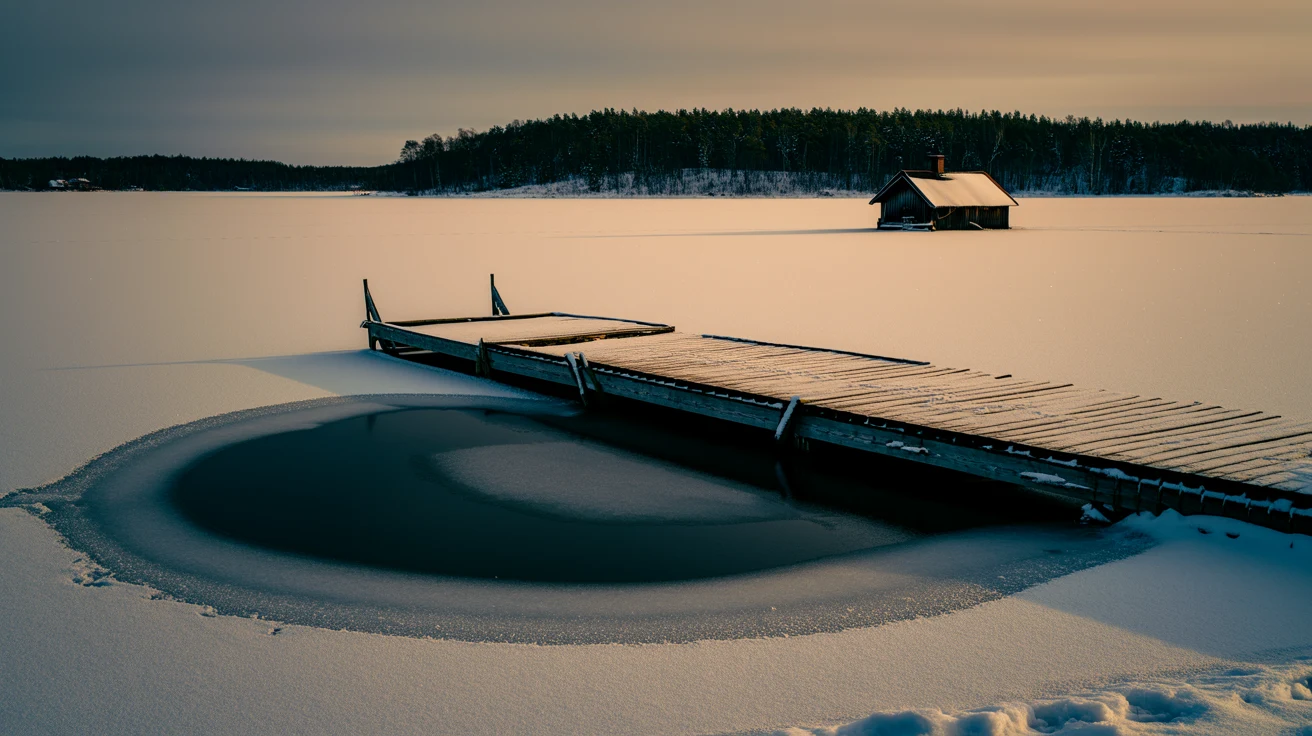
Winter swimming is as embedded in Swedish bath culture as it is in Finnish. The sauna-and-cold-water cycle is the whole tradition, not an optional add-on, and the cold half gets real devotion. Swedes swim year-round in the sea and in lakes, cutting holes in the ice when it forms.
The physiological effects of cold immersion after heat are still being studied rather than settled, so treat the enthusiast claims with some caution and enter cold water gradually if you’re new to it. The contrast between hot room and cold water is what generations of Swedes and Finns have chased regardless of what the research eventually confirms. For the cultural anchor point, the Finnish Sauna Society documents the shared Nordic practice both countries drew from.
How it compares to the rest of the world
Swedish bath culture sits comfortably in the broader family of sauna cultures that runs from the German Aufguss show to the Russian banya, all variations on heat and steam. It’s closest by far to Finnish sauna culture, close enough that the two are often treated as one, and the differences reward a traveler who cares to notice them.
If you’re planning a trip, the practical payoff is knowing which venues to seek out, from Stockholm’s cold bath houses to the swimming halls in smaller towns. The best saunas in Sweden range from restored seafront pavilions to modest neighborhood bath houses, and the good ones are worth structuring a visit around.
FAQ
What does bastu mean in Swedish?
Bastu is the Swedish word for sauna. It’s a contraction of “badstuga,” meaning bath cottage, and it refers to the same thing a Finnish sauna does: a wood-lined hot room heated by a stove topped with stones.
Is Swedish bastu the same as Finnish sauna?
Mechanically, yes, they’re nearly identical: the same temperature range, the same steam from water on hot stones, the same cold-dip cycle. The differences are cultural. Sweden treats it as a beloved habit, Finland as a near-sacred national institution, and Swedish public facilities more often use swimsuits and gender separation.
What is a kallbadhus?
A kallbadhus is a Swedish cold bath house, typically a waterfront wooden building built for cold-water bathing with a sauna to warm up in between dips. Stockholm has several, and a few are architectural landmarks. The cold water is the main event and the sauna is the recovery step.
Do Swedes do cold plunges after the sauna?
Yes. The sauna-and-cold-water cycle is central to Swedish bath culture, not optional. Swedes swim year-round in the sea and lakes and cut holes in the ice in winter. Enter cold water gradually and control your breathing if you’re new to it.
How many saunas does Sweden have?
Sweden has roughly 2.5 million saunas for a population of about 10.5 million, or close to one per four people. That’s a high number by world standards, though Finland, with half the population, has more.