Indigenous Sweat Lodge: Tradition and Respect
A sweat lodge is not a sauna. It looks superficially similar to an outsider, a small enclosed space, hot stones, water poured to make steam, but that resemblance ends at the physics. The sweat lodge is a sacred ceremony central to the spiritual life of many Indigenous peoples of North America, led by trained elders and bound by protocols that took generations to form. Treating it as a hot-room wellness upgrade misunderstands it completely, and that misunderstanding has killed people.
If you found this page while researching thermal traditions, the most useful thing I can tell you is where the line sits: you can read about the sweat lodge, respect it, and understand why it matters. What you cannot do is buy one, build one in your backyard, or run one yourself. That distinction is the whole article.
What a sweat lodge ceremony actually is
The sweat lodge, called by many names across the nations that practice it (inipi among the Lakota, for example), is a ceremony of prayer, purification, and community. It is conducted for healing, for guidance, for grief, for gratitude, and for marking transitions in life. The heat is a vehicle, not the point. People inside pray, sing, and speak; the darkness, the steam, and the closeness are the conditions under which that happens.
A ceremony is led by someone with the authority and training to lead it, a role earned over years and granted within a community, not claimed. The structure of the ceremony, the number of rounds, the songs, the order of who speaks, the handling of the stones, varies between nations and between lineages. There is no generic version, and there is no manual you can download.
The common physical structure
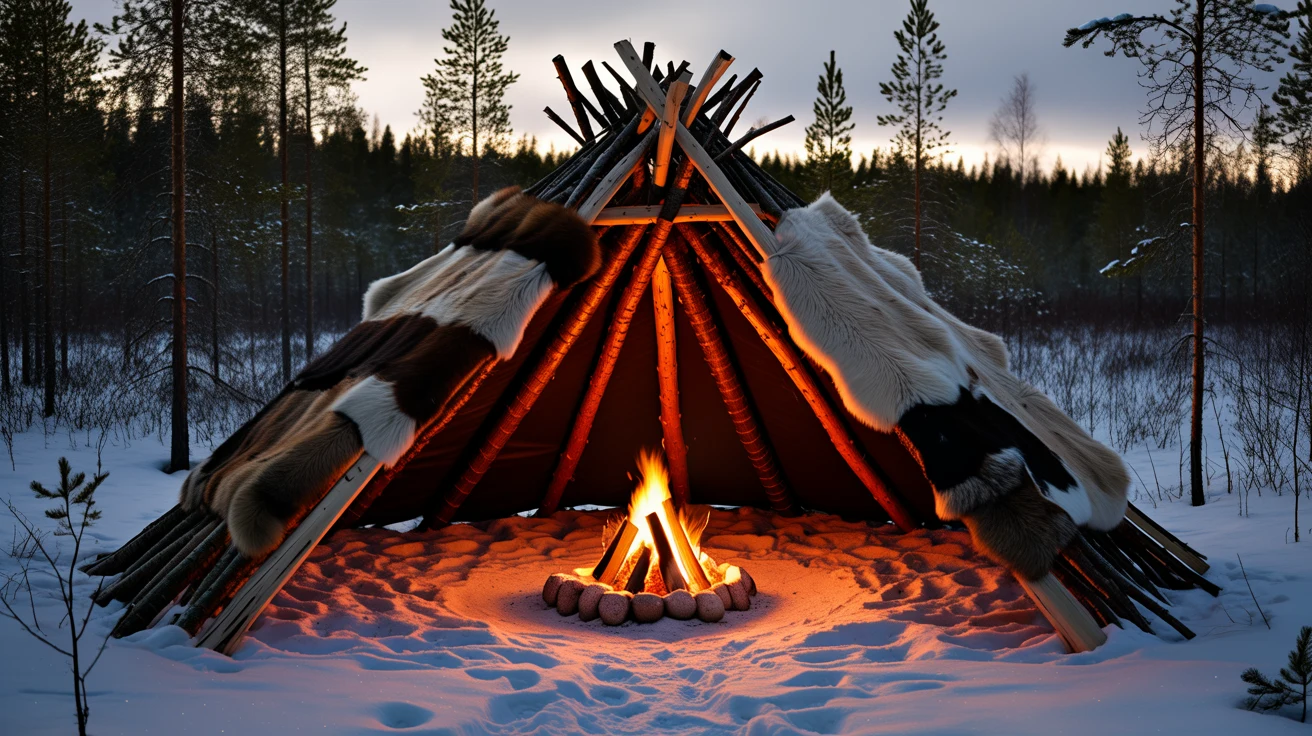
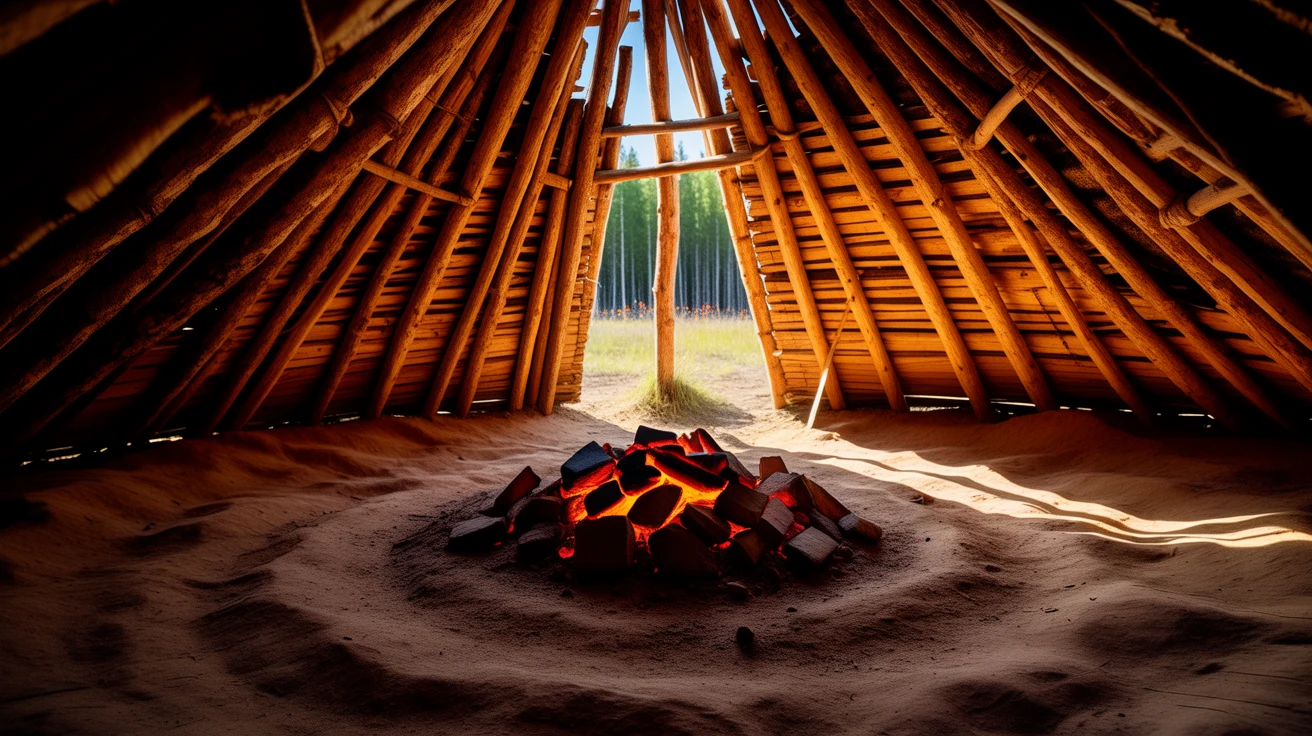
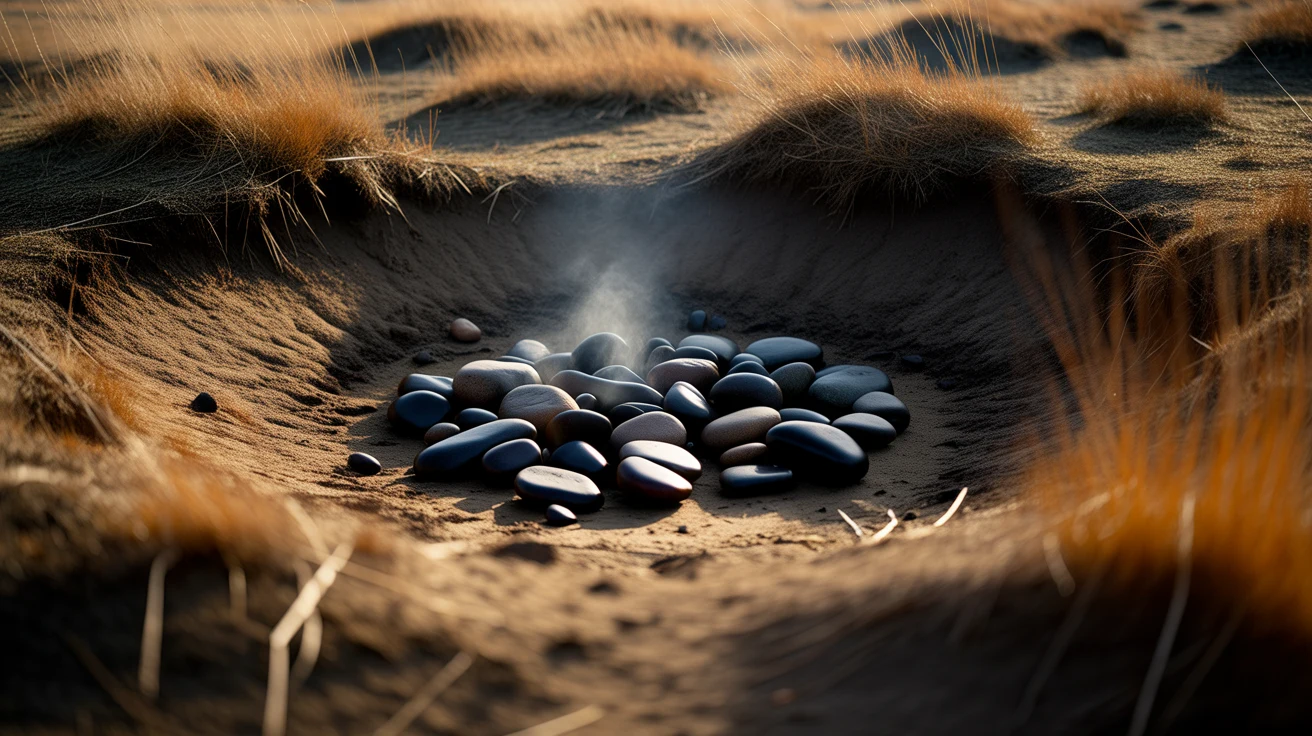
The lodge itself is typically a low, domed frame of bent saplings covered with blankets, hides, or tarps, built close to the ground so heat and steam stay trapped near the participants. Stones are heated in a fire outside the lodge, then carried in and placed in a central pit. Water is poured over the hot stones to release steam, often in distinct rounds, with the covering opened between them.
The lodge is dark inside, far darker than any sauna, and the air is heavy with steam rather than the drier heat many Finnish-style rooms aim for. Every element carries meaning: the direction the door faces, the fire that heats the stones, the arrangement of the space. None of it is arbitrary, and none of it is decorative.
Why it is not a Finnish sauna
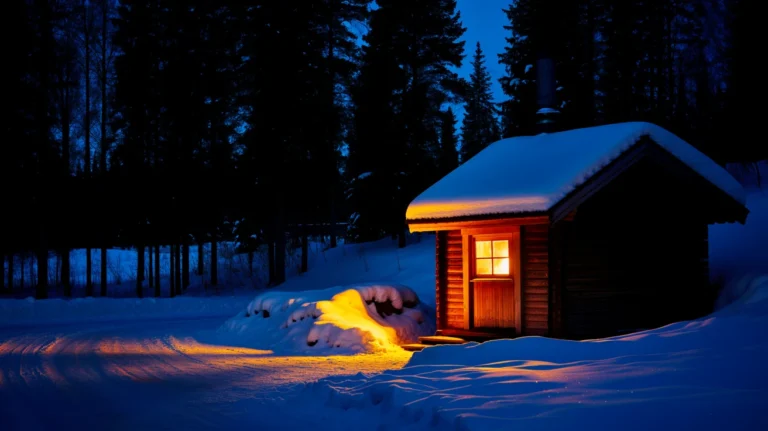
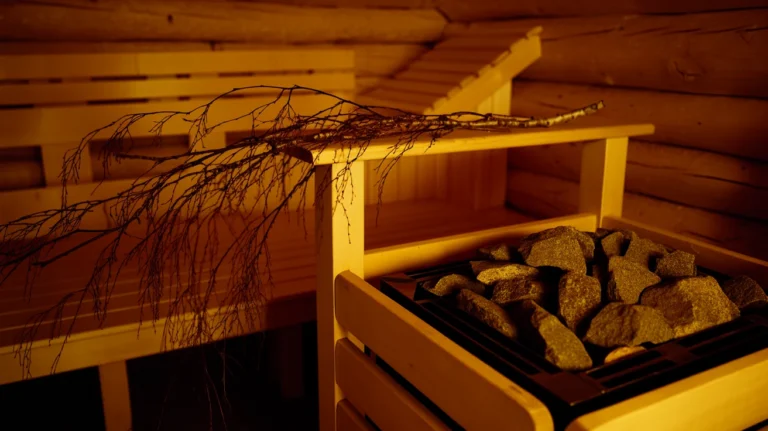
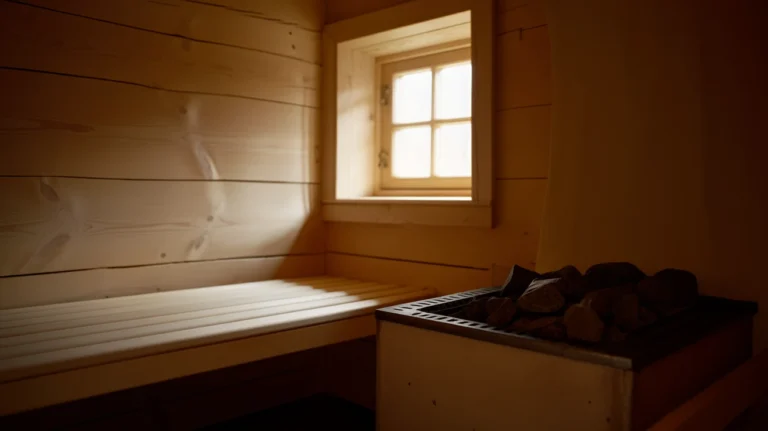
I write mostly about sauna cultures where the goal is heat, steam, and the burst of vapor Finns call löyly (the steam that rises when water hits hot stones). A Finnish sauna is a secular, everyday space. You can build one, buy one, install a heater from Harvia, and use it however you like. Its meaning, where it has one, is cultural rather than sacred, and nobody’s tradition is violated when you throw water on the stones.
The sweat lodge inverts almost all of that. It is religious rather than recreational, communal rather than private, led rather than self-directed, and closed rather than open. The table below lays out the contrast plainly, because the two are confused often enough to be dangerous.
| Dimension | Finnish sauna | Sweat lodge ceremony |
|---|---|---|
| Purpose | Heat, cleansing, relaxation, everyday life | Prayer, healing, spiritual purification |
| Access | Open to anyone; build or buy your own | By invitation, under an authorized leader |
| Leadership | Self-directed | Led by a trained elder or medicine keeper |
| Structure | Insulated cabin, wood or electric heater | Low domed frame, fire-heated stones carried in |
| Nature | Secular, recreational | Sacred ceremony |
What appropriation looks like here
Cultural appropriation is not an abstract grievance in this case. It has a concrete, harmful form: non-Indigenous people extracting the sweat lodge from its context, stripping the training and authority that make it safe, and reselling it as a wellness product. When that happens, two things are lost at once. The ceremony is degraded into a novelty, and the safeguards built into the real practice, which exist precisely because intense heat is dangerous, disappear.
The 2009 tragedy near Sedona, Arizona is the clearest warning. A self-help facilitator with no Indigenous training ran a heavily overcrowded, sealed “sweat lodge” as part of a paid retreat. Three people died and many more were hospitalized. The event bore the name of a sacred ceremony while discarding everything, the leadership, the protocols, the limits, that would have made it a ceremony at all. It was appropriation and negligence in the same act.
How to learn respectfully
The respectful path is narrow and simple: you participate only if an Indigenous community invites you, and only under the leadership of someone with the authority to lead. You do not organize your own. You do not build a lodge from a blog post. You do not adapt the form for a yoga studio. Permission and elder leadership are not formalities to check off; they are the entire container that makes the ceremony what it is.
If you are simply curious, read work by Indigenous authors and, where communities have chosen to share, learn from them directly. Support that instead of substituting your own version of it. And keep the safety point in view, because heat is not gentle: the same heat safety considerations that apply to any hot environment apply here, and in a sealed lodge run without expertise they turn lethal fast.
For the ordinary thermal experience most readers are after, look to the traditions built to be shared, including the sauna’s arrival and evolution in American sauna history. Those are yours to enjoy freely. The sweat lodge is not, and respecting that boundary is the point.
Common questions
Is a sweat lodge the same as a sauna?
No. A sauna is a secular, recreational heat space anyone can build, buy, and use. A sweat lodge is a sacred Indigenous ceremony led by trained elders for prayer, healing, and purification. They share hot stones and steam and almost nothing else.
Can non-Indigenous people take part in a sweat lodge ceremony?
Only by genuine invitation from an Indigenous community and under an authorized leader. You cannot organize, buy, or run your own. Participation without that context and permission is the core of the appropriation problem.
What happened at the 2009 Sedona sweat lodge?
A non-Indigenous self-help facilitator ran an overcrowded, sealed imitation “sweat lodge” at a paid retreat, without traditional training or safeguards. Three people died and others were hospitalized. It is the clearest example of what goes wrong when the ceremony is stripped from its context.
Why is running your own sweat lodge dangerous?
Intense trapped heat and steam can cause heatstroke, dehydration, and death. Authentic ceremonies carry protocols and experienced leadership that manage those risks. Imitations run for entertainment or profit usually discard exactly those safeguards.
Where can I get the heat-and-steam experience respectfully?
Use a sauna, banya, hammam, or another tradition built to be shared. These are open to everyone and designed for recreational heat. The sweat lodge is a sacred ceremony, not a wellness option to book.