Korean Jjimjilbang: The 24-Hour Sauna Experience
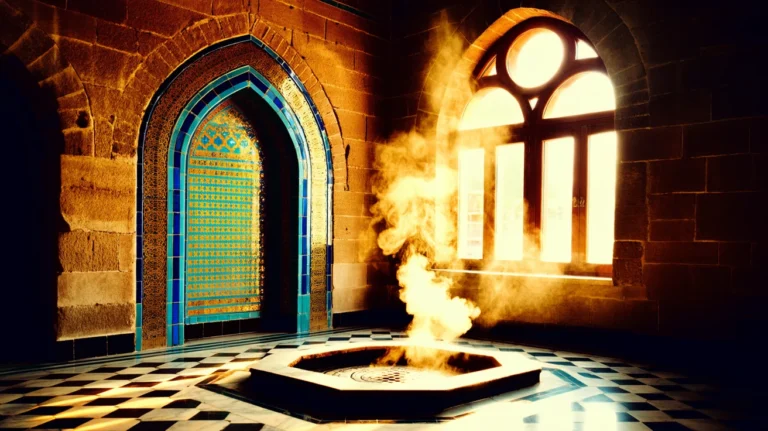
A Korean jjimjilbang is a public bathhouse that never closes. For roughly $5-15, you get access to gender-separated bathing pools, a series of heated rooms at different temperatures, a mixed-gender common lounge, and, if you want it, a place to sleep on the floor until morning. Most people stay four to twelve hours. Some check in at midnight because it’s cheaper than a hotel and walk out at dawn.
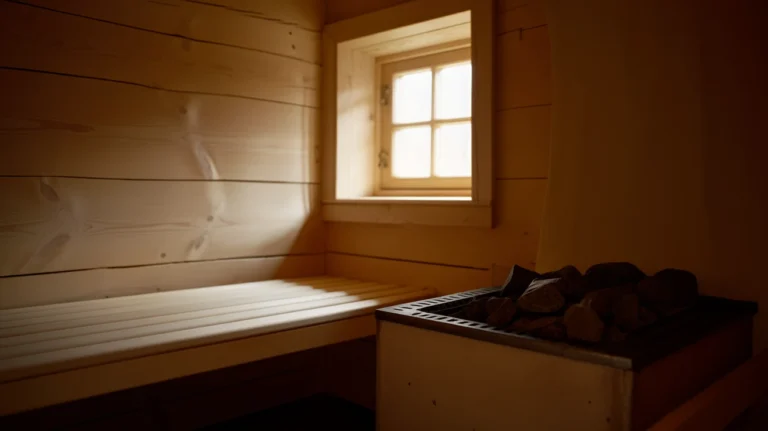
If your reference point is a Finnish sauna, a single hot wooden room with a heater and a bucket of water, the jjimjilbang will scramble your expectations. It’s less a sauna and more a temperature amusement park with a bathhouse attached. Here’s how it actually works and what to do with your day inside one.
What a jjimjilbang actually is
The word combines the Korean for “heated bath” and “room,” and that’s the whole model: a bathing complex wrapped around a set of themed sweat rooms. You pay a flat entry fee at the front desk, get handed a locker key, a towel, and a set of loose cotton clothes, and then you’re free to wander for as long as you like. Twenty-four-hour operation is common, especially in cities.
The visit splits into two zones. The wet zone is the bathhouse, gender-separated and nude, where you shower and soak in pools. The dry zone is the common area, mixed-gender and clothed, where the heated rooms, the food, and the sleeping space all live. You’ll move between them repeatedly over a long visit.
The temperature rooms
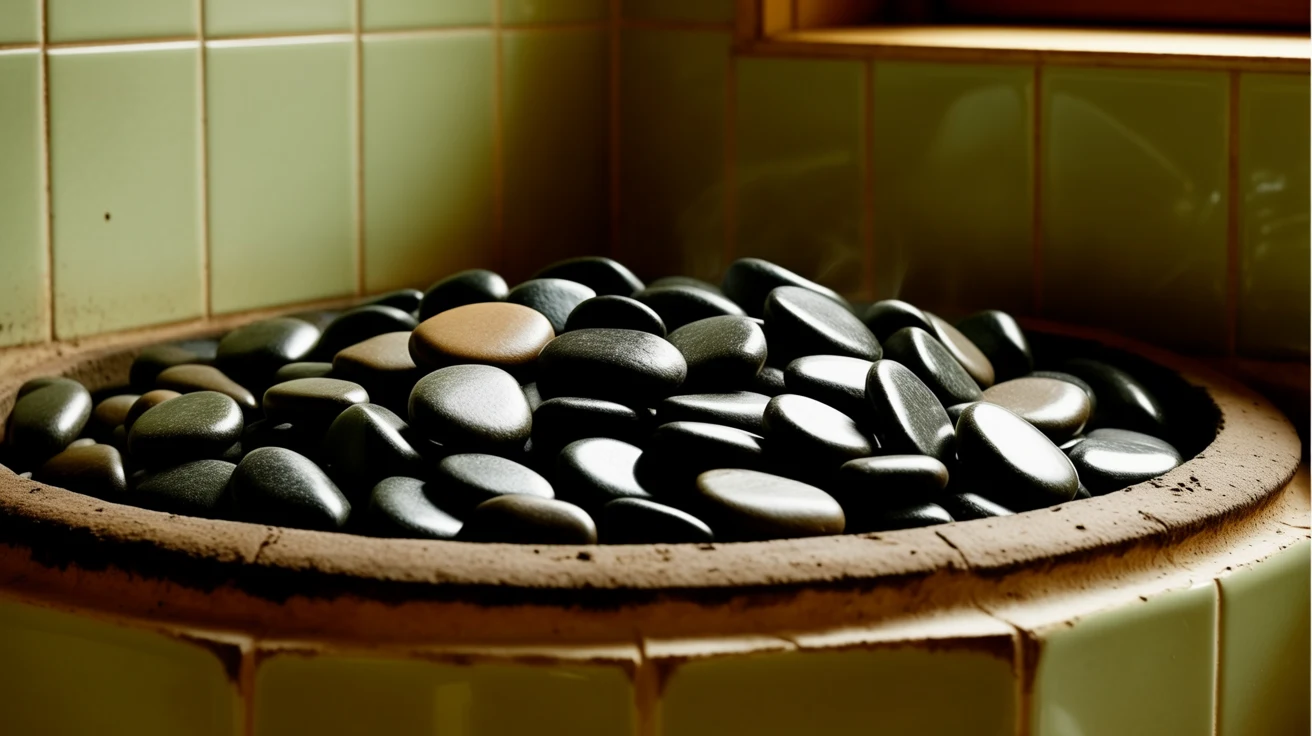
The heated rooms are the signature. Instead of one hot box, a jjimjilbang gives you a row of small rooms, each built from a different material and held at a different temperature, and each with a health claim attached to it. You crawl in, sit on a mat until you’ve had enough, and move to the next one. Temperatures range from gently warm to genuinely punishing.
| Room | Material / feature | Common claim |
|---|---|---|
| Charcoal (hwangto) | Charcoal and yellow-clay walls | Deodorizing, “detox” air |
| Salt | Walls and floor of rock salt | Skin and respiratory benefit |
| Jade | Jade-lined interior | Calming, circulation |
| Hot kiln (bulgama) | Wood-fired dome, hottest room | Deep heat, heavy sweating |
| Ice room | Sub-zero cold room | Cool-down between hot rooms |
Treat the mineral claims as decoration. The evidence that jade or salt walls do anything a plain hot room doesn’t is thin to nonexistent, and no serious study backs the “detox” language. What the rooms genuinely deliver is a range of heat and a cold room to reset between them, which is the same hot-cold cycling that makes any bathing culture feel good. Enjoy the jade room because it’s a pleasant temperature, not because of the stone.
The bathing area
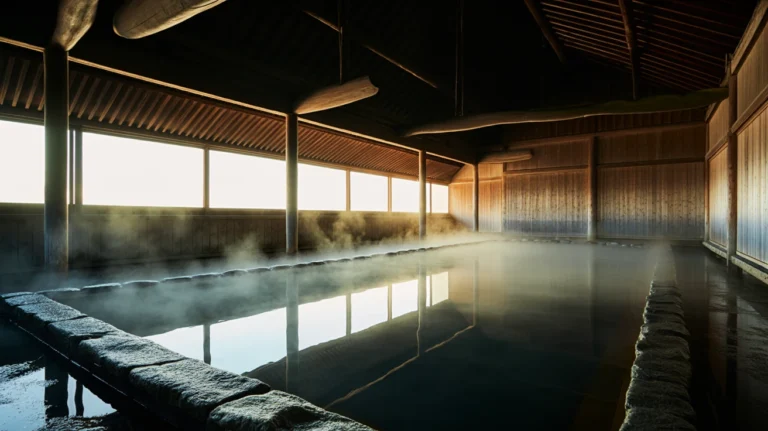
The wet zone runs on the same rules as a Japanese bathhouse: strictly gender-separated, and you’re naked, no exceptions. You wash thoroughly at a seated shower station before you enter any shared pool. Nobody brings soap into the water. The pools sit at different temperatures, usually a hot soak, a warm one, and a cold plunge, plus showers along the walls.
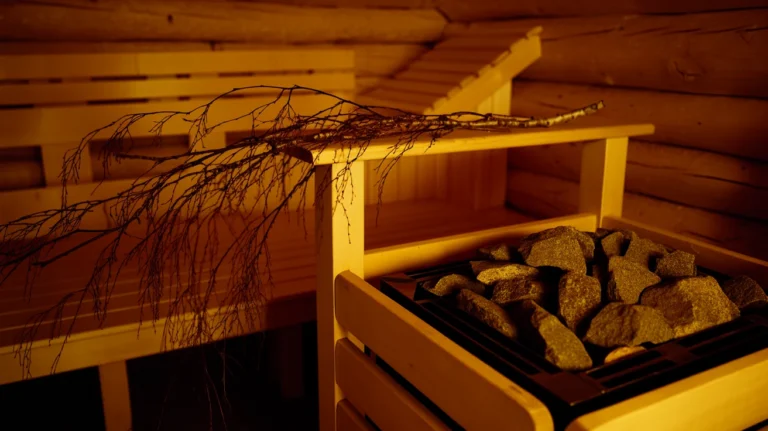
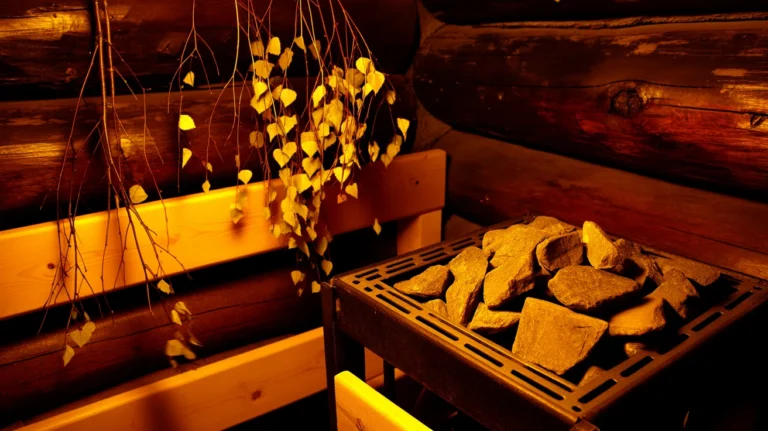
For a first-timer the nudity is the hurdle, and the honest answer is that everyone is far too relaxed to be looking at you. This is also where the vasta (a birch whisk, called vihta in western Finland) of the Finnish tradition has no equivalent. Korean bathhouses instead offer a scrubdown: an attendant exfoliates you with a coarse mitt until a startling amount of dead skin comes off. It’s optional, it costs extra, and it is not gentle.
The common area and jjimjilbang clothes
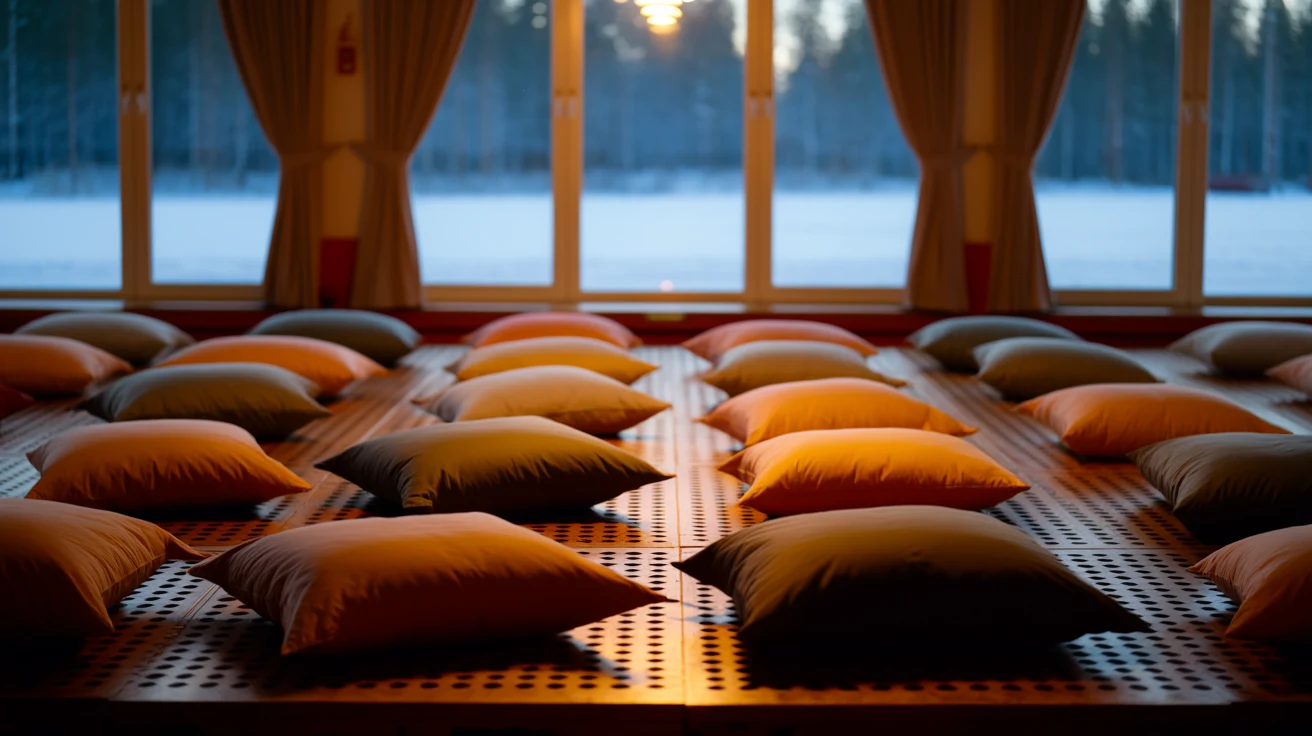
Once you leave the bathhouse and put on the issued cotton shirt and shorts, you’re in the mixed-gender heart of the place. Families, couples, and solo nappers share one big carpeted or heated-floor hall. The color of your outfit sometimes marks your gender, but everyone wears the same shapeless set, which is a quiet equalizer.
This common area is where the jjimjilbang diverges hardest from the Finnish model. A Finnish sauna is a small, quiet, single-purpose room. A jjimjilbang common floor is a social living room with a TV, snack counters, massage chairs, and people sprawled everywhere in matching pajamas. It’s closer to a family day out than to a wellness appointment.
Sleeping over and using it as lodging
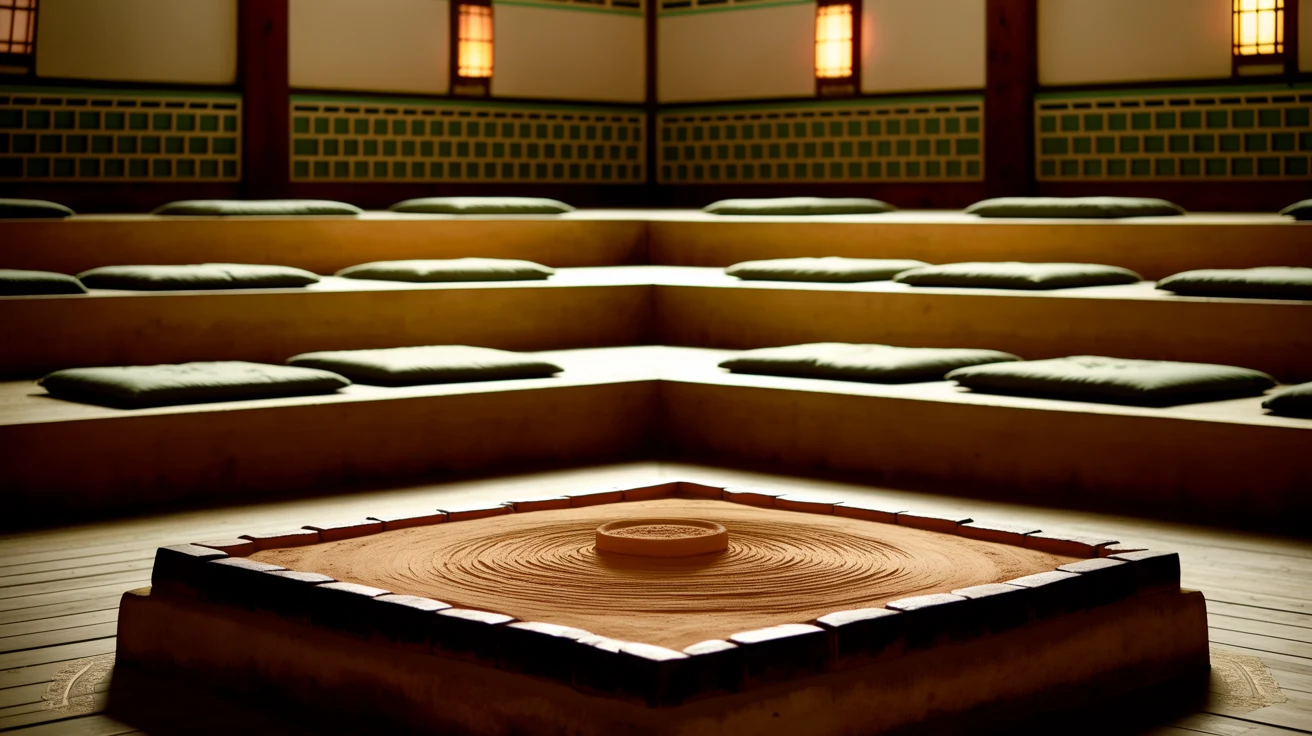
Because the doors don’t close and the entry fee is flat, plenty of travelers use a jjimjilbang as accommodation. You pay your $5-15, claim a patch of the sleeping room, and rest on a mat on the heated floor. Some venues have dim dedicated sleeping halls; smaller ones just expect you to bed down in a quiet corner of the common area.
It is not a hotel, and it doesn’t pretend to be. There’s no privacy, the lighting in the sleeping room is low but rarely off, and you’ll hear other people. But for a budget traveler between trains, a spot on a warm floor with a shower, hot rooms, and breakfast within reach is hard to beat at the price. Keep valuables in your locker, not beside you. If a jjimjilbang stop is part of a bigger trip, it sits comfortably alongside the best sauna experiences in Asia.
The food
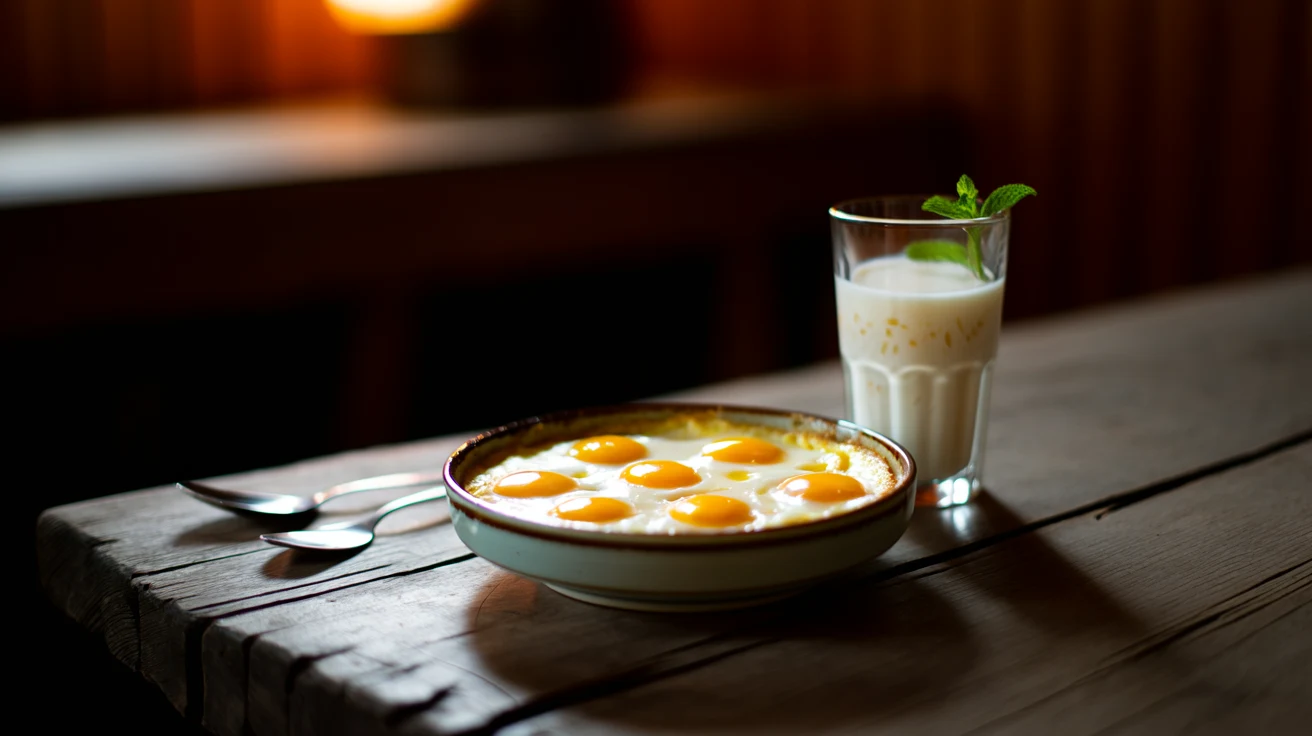
No long bathhouse visit is complete without eating, and the menu has its own icons. The two you’ll see everywhere are baked eggs, cooked slowly in the heat until the whites turn tan and the flavor deepens, and sikhye, a sweet cold rice punch served ice-cold. The combination of a warm egg and a chilled sweet drink after a hot room is the jjimjilbang’s answer to the Finnish sauna beer.
Beyond that you’ll find noodles, cold buckwheat dishes, and shaved ice, ordered at a counter and eaten cross-legged in your cotton clothes. Eating is part of the visit, not a break from it, which is why a “session” here runs to hours rather than the 10-20 minutes of a single sauna round.
How the etiquette differs from a Finnish sauna
Both cultures are serious about washing before you soak and about respecting other people’s quiet, but the temperament is different. A Finnish sauna, described well by the Finnish Sauna Society, is a place of near-silence, hot steam, and small numbers. A jjimjilbang is louder, more social, and built for lingering all day.
The biggest practical differences: there’s no löyly (the burst of steam from throwing water on hot stones) in a jjimjilbang, because the heated rooms are radiant dry heat, not stove-and-water saunas. Nudity is mandatory in the wet zone but forbidden in the mixed common area, an inversion that trips up visitors from more casual cultures. And the whole thing is priced and paced as an all-day outing, not a 20-minute ritual. If you’re mapping the wider region, the closest cousin is the Japanese onsen, and the jjimjilbang sits within the broader landscape of sauna cultures worldwide that each solved “get hot, get clean, relax” in their own way. Korea’s answer was to add a hotel, a food court, and a nap.
FAQ
What is a Korean jjimjilbang?
A jjimjilbang is a Korean public bathhouse and spa, usually open 24 hours. It combines gender-separated nude bathing pools, a series of heated dry rooms at different temperatures, a mixed-gender common lounge where you wear issued cotton clothes, food counters, and a space to sleep overnight.
How much does a jjimjilbang cost?
Entry is typically $5-15 USD for general access, with the higher end common in cities and for overnight stays. Extras like a body scrub, massage, or food are charged separately at counters inside.
Can you sleep overnight in a jjimjilbang?
Yes. Because they run around the clock on a flat entry fee, many travelers use them as cheap lodging, sleeping on a mat on the heated floor of a sleeping room or quiet corner. It’s not private or hotel-like, but it’s warm, safe, and inexpensive.
Do you have to be naked in a jjimjilbang?
Only in the bathing area, which is gender-separated and requires full nudity, as at a Japanese onsen. In the mixed-gender common area and heated rooms you wear the loose cotton shirt and shorts provided at the door.
How is a jjimjilbang different from a Finnish sauna?
A Finnish sauna is a single quiet wooden room with steam from water thrown on hot stones, used for short sessions. A jjimjilbang is an all-day social complex with multiple dry heated rooms, bathing pools, food, and sleeping space, and it produces no steam-on-stones löyly.