Icelandic Hot Pots: Geothermal Bathing Culture vs Sauna
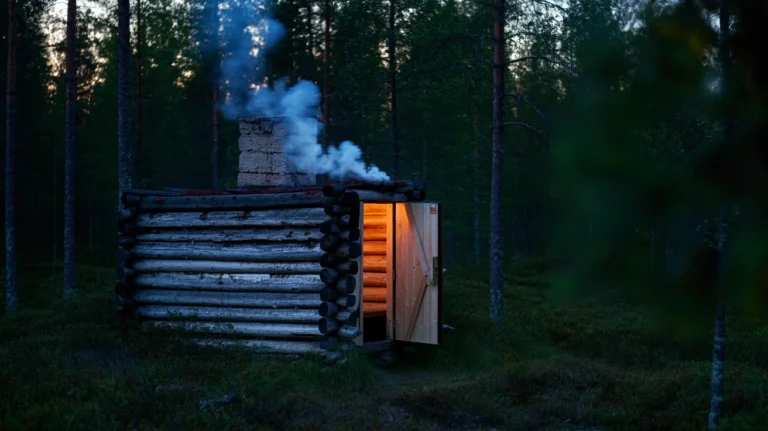
Finland heats air. Iceland heats water. That one difference explains almost everything about how the two countries bathe, and why a nation sitting on more geothermal heat than it can spend never built its national ritual around a hot room. Among the world’s sauna cultures, Iceland is the outlier that went sideways: same climate, same instinct for heat in winter, entirely different medium.
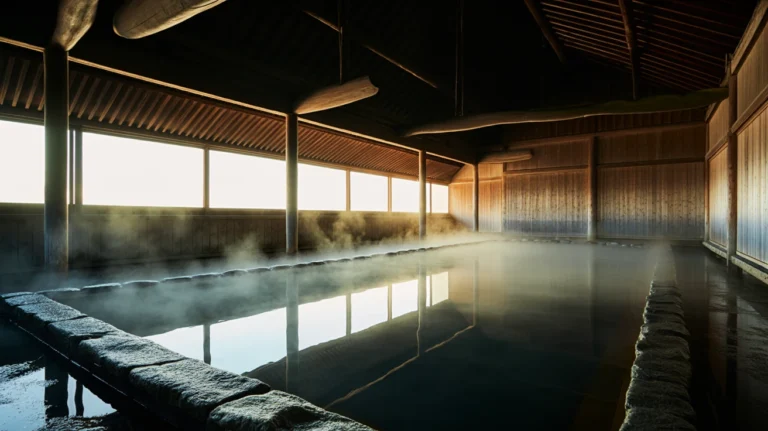
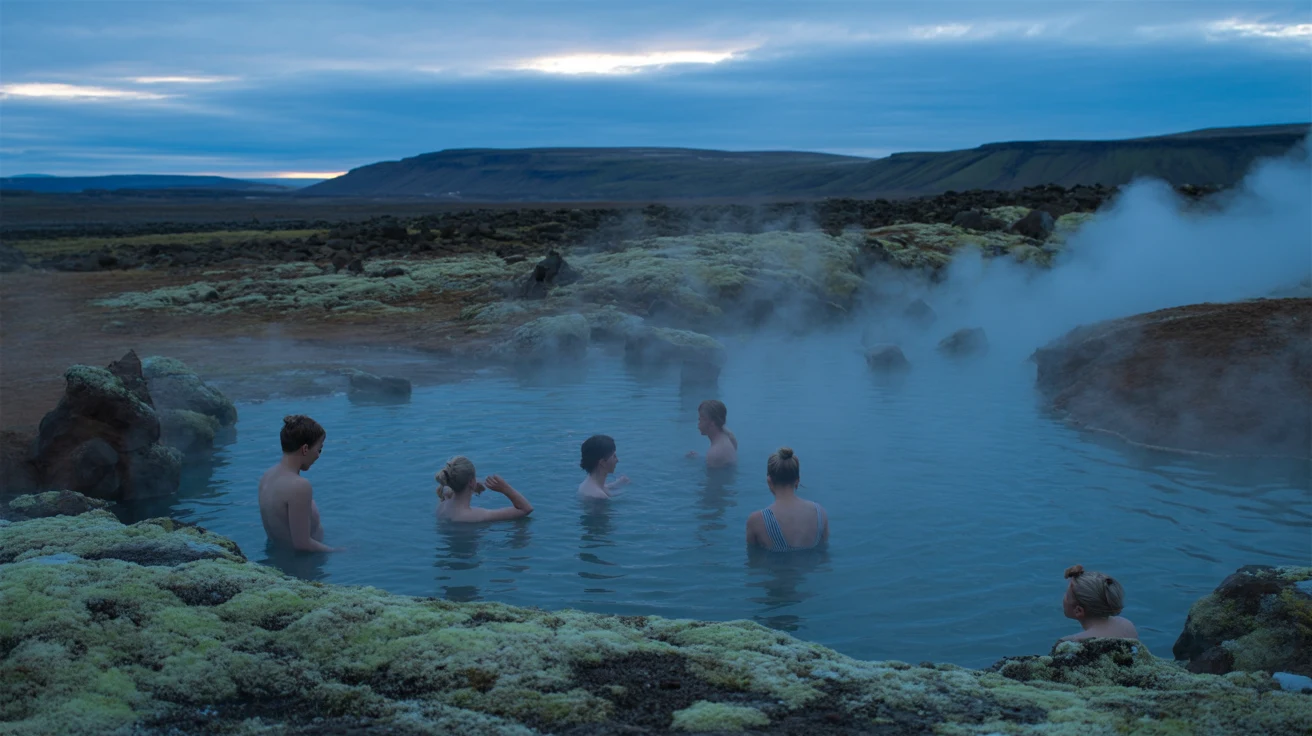
On 10 December 2025, UNESCO inscribed swimming pool culture in Iceland on its Representative List of the Intangible Cultural Heritage of Humanity, describing the country’s hot tubs as informal debating parlours. That is the official version. The everyday version is an outdoor pool at 07:00 in January, snow on the deck, steam going straight up, and four strangers working through the news.
Why the heat went into water instead of air
According to Orkustofnun, Iceland’s National Energy Authority, roughly 90% of domestic heating energy came from geothermal sources as of 2020, and district heating utilities supply hot water to 95% of the population. Piped geothermal water reached Reykjavík homes in the 1930s and the share has climbed ever since.
When hot water is effectively a utility rather than a luxury, you don’t need to build an insulated wooden box and burn fuel in it to get warm. You dig a hole, line it, and fill it. The 2025 European Geothermal Congress country update for Iceland counts about 170 recreational swimming centres nationally, 145 of them geothermally heated, most open to the public year-round. For a country of this size, that is an enormous amount of warm water held at public expense, and it is used the way a village square is used elsewhere.
The hot pot is the social center, not the amenity
A heitur pottur (hot pot) is the shallow, very warm outdoor tub that sits beside every Icelandic municipal pool, usually several of them at different temperatures. It is not a spa feature bolted onto a sports facility. It is the reason most adults are there at all.
Visit Reykjavík describes the pattern plainly: older regulars soak in the hot pots in the mornings and go through the news and the weather; families come so the kids can burn off energy while the parents sit in hot water; the same tubs serve as a place for dates, casual meetups, and solo decompression. The UN Regional Information Centre puts adult usage at approximately 79% of Icelanders, with around 40% of those going more than once a month. That is UNRIC’s own figure, from a survey it doesn’t name.
The conversational function is a close match for the Finnish sauna bench, and the subject list is the same three items: politics, the weather, football. The difference is structural. In a hot pot everyone’s head is at the same height, at conversational distance, in water they are not eager to leave. Walking out of an argument costs more.
What a municipal pool actually looks like
The sundlaug, the public swimming pool, is the standard unit of Icelandic bathing. The capital area has around 18 public geothermal pools, of which the city of Reykjavík itself runs eight: Árbæjarlaug, Breiðholtslaug, Dalslaug, Grafarvogslaug, Klébergslaug, Laugardalslaug, Sundhöll Reykjavík and Vesturbæjarlaug. Laugardalslaug is the largest complex and includes a 50-meter outdoor pool. The only salt-water pool in the capital area is not in Reykjavík at all but in neighboring Seltjarnarnes.
Single adult admission to a Reykjavík city pool is ISK 1,500 per the city’s own price list. Children aged 10 to 17 pay ISK 400, and under-10s enter free with a guardian. Most city pools run 06:30 to 22:00 on weekdays and open somewhere between 08:00 and 09:00 at weekends, closing at 22:00. Klébergslaug keeps shorter hours than the rest.
| Water | Typical temperature |
|---|---|
| Swimming pools | 27-30°C (81-86°F) |
| Children’s pools | around 32°C |
| Hot pots | 37-43°C (99-109°F) |
| Legal ceiling for hot tub water | 44°C (Regulation 814/2010, Art. 12) |
The spread across the hot pots is the point. A pool will run several tubs at different temperatures and people move between them, which is the closest thing Iceland has to the Finnish round structure.
The naked shower is law, not house etiquette
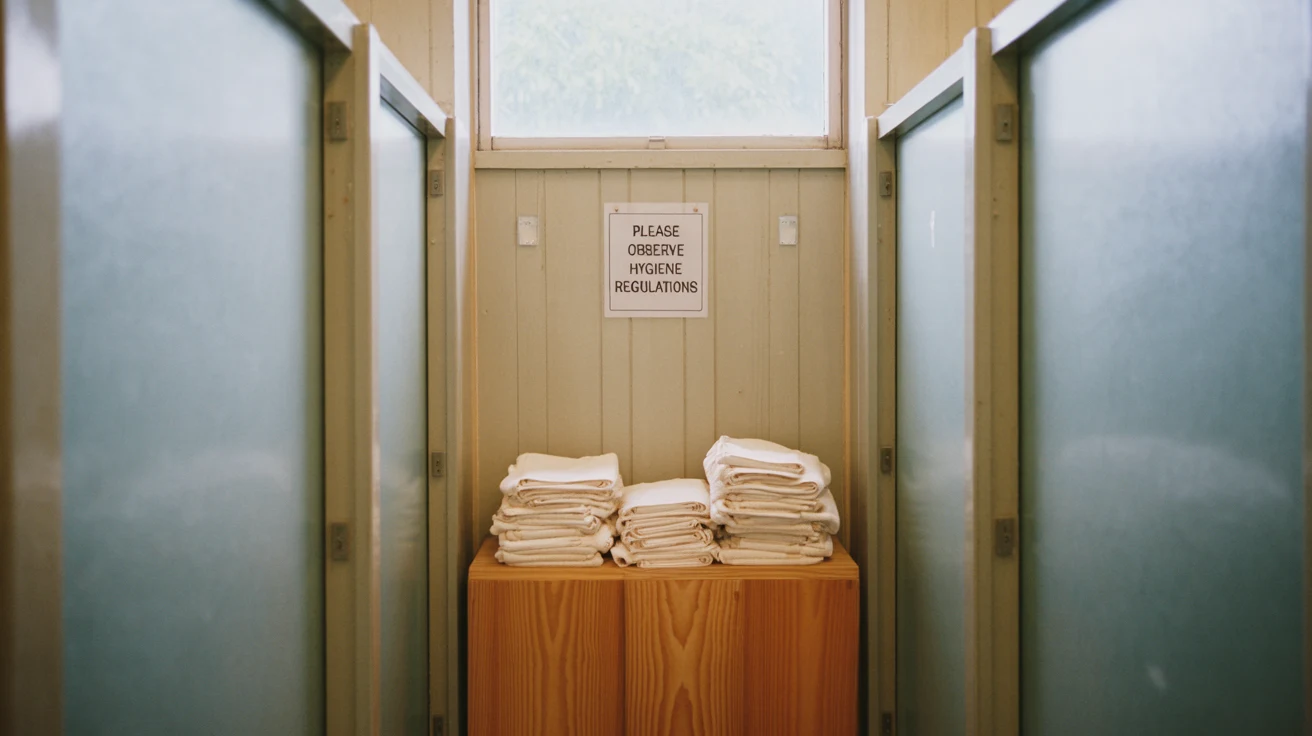
Before entering the water you shower without a swimsuit, with soap, in gender-divided facilities. This is not a local preference that a confident tourist can negotiate around. Regulation 814/2010 on hygiene at swimming and bathing places, Article 9, states that guests shall wash themselves without swimwear before going into the pool, and it applies nationwide.
The reasoning is water treatment. Icelandic pools run on geothermal water and keep chlorine use low, which only works if people arrive clean. Nobody will be rude about it, and nobody will let it go either; someone will tell you.
The rest of the etiquette follows from the same logic and from the fact that the pool is a shared civic space: treat the hot pots as a shared space, and follow the posted conduct rules, which Reykjavík publishes on its own pool pages. Pool staff are not there to police tourists. They’re there because 79% of the country uses these buildings.
Where sauna actually sits in Iceland
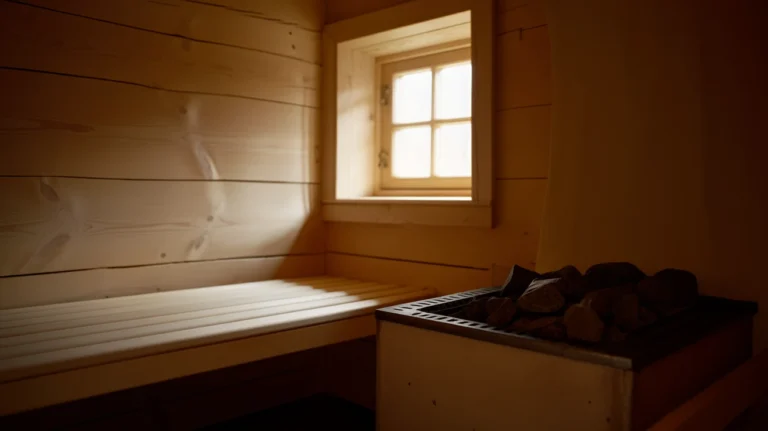
Iceland has saunas, but the honest version is that the older poolside heat room is the steam bath, the gufubað. Dry saunas, and hammams for that matter, are a relatively recent addition to Icelandic pools rather than an old tradition, and the same regulation that governs the shower rule sets safety requirements for them: ventilation, an emergency exit, an emergency button, and visible temperature and humidity gauges.
The newness is easy to date. Vesturbæjarlaug, open since 1961, added two traditional saunas and an infrared cabin on 2 December 2025, its 64th anniversary. That is a municipal pool in the capital installing its first dry saunas in the same month the country’s pool culture went onto the UNESCO list. If you’re weighing which heat room to head for at an Icelandic pool, the practical differences between a steam room and a dry sauna decide it, and the steam bath is the one with the longer local history.
Hot pot versus sauna bench: my own read
No source I found compares the two cultures directly, so treat what follows as my observation rather than a cited finding. Set the two side by side and the difference isn’t temperature. It’s what the heat is for.
| Iceland | Finland | |
|---|---|---|
| Medium | Hot water, 37-43°C | Hot air, far hotter than any bath water |
| Default venue | Municipal outdoor pool | Private sauna at home or the cottage |
| Session shape | One long open-ended soak | Short rounds with cool-downs between them |
| Clothing | Swimsuit, after the mandatory naked shower | Usually naked, in company you choose |
| Who’s next to you | Strangers, deliberately | Family, friends, colleagues |
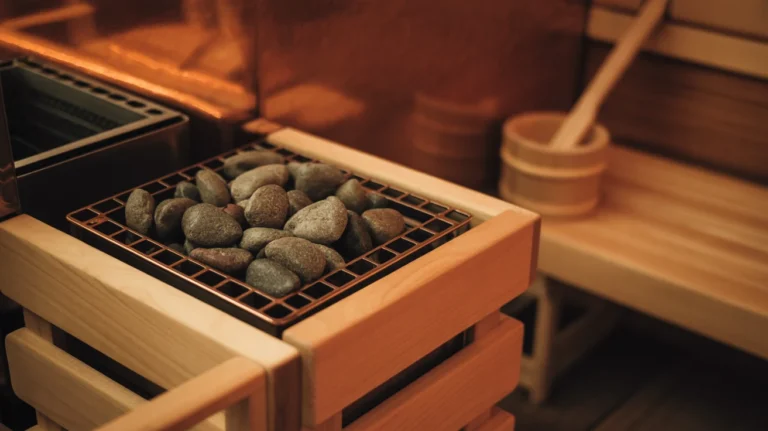
| Sensory core | Water temperature and the cold air above it | Löyly, the burst of steam when water hits the stones |
Löyly has no Icelandic equivalent, because the Icelandic experience doesn’t need one: the contrast that makes the bath work is already there in the North Atlantic air sitting a few inches above the water. Finnish sauna culture is built around privacy and a manufactured climate. Icelandic bathing is built around a public building full of strangers and free heat. Both end with the same person, considerably calmer, walking home.
The big lagoons are a different product
The lagoons are tourist bathing, priced and designed as such, and they are not what Icelanders do on a Tuesday. That doesn’t make them bad, it just makes them a separate category from the neighborhood pool.
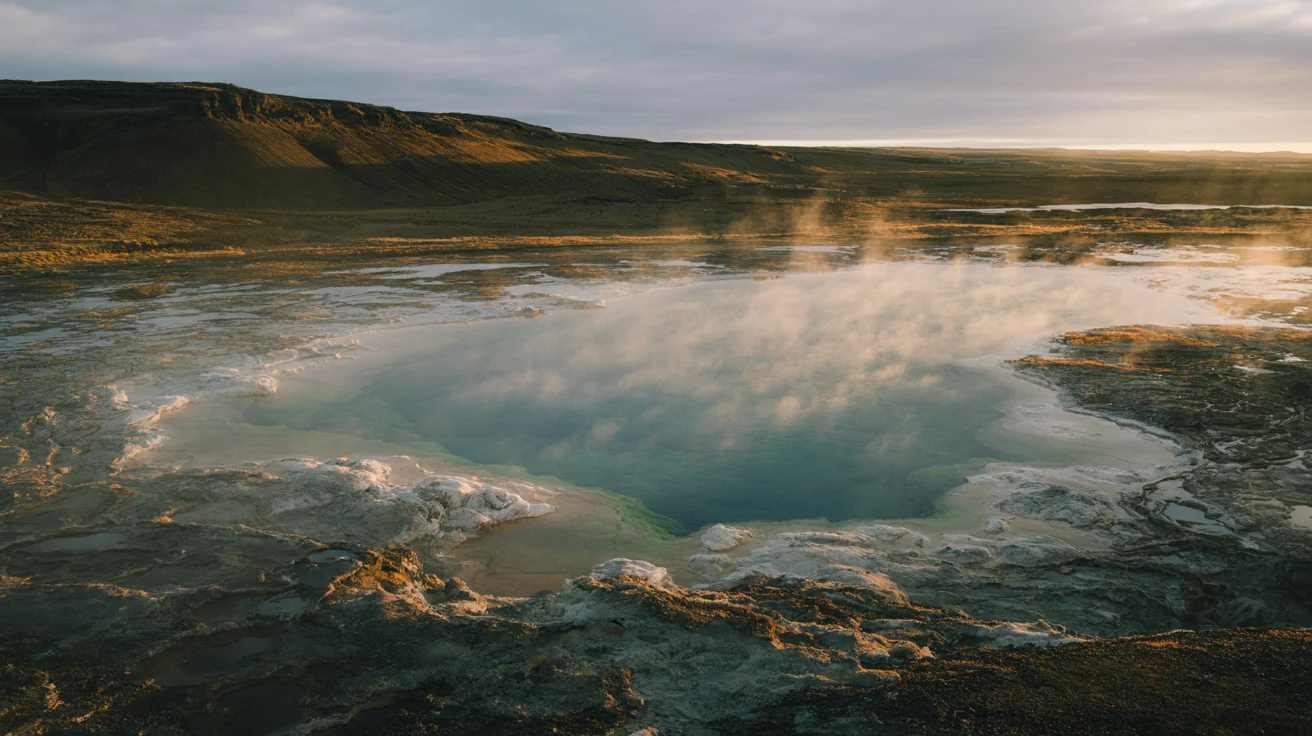
The Blue Lagoon is the famous one and its origin story is stranger than the marketing suggests: it formed from geothermal brine discharged by the Svartsengi power plant, which was expected to soak into the lava field and pooled instead. The operator’s own position is that it is “neither strictly man-made nor entirely natural.” Comfort entry started from ISK 11,990 when I checked in September 2026, varying by date and time slot. Sky Lagoon opened in Kópavogur, just south of Reykjavík, in April 2021. Forest Lagoon, about five minutes from Akureyri in the north, runs its pools at 37°C with adult entry at ISK 7,490, also checked in September 2026.
Set those against ISK 1,500 at a city pool and the trade is clear enough: the lagoons sell a view, a setting, and a booked time slot. The municipal pool sells the actual culture. If you’re building a trip around water and heat, Iceland belongs on any shortlist of bathing destinations, but go to both kinds of place and know which is which.
How to do the local version
- Pick a neighborhood pool over the flagship. Laugardalslaug is impressive and busy; the smaller district pools are where the morning regulars are.
- Go at opening or in the early evening. The 06:30 crowd is the real thing.
- Shower properly, without the swimsuit. It’s the law, and it’s the one thing visitors get wrong.
- Bring a swimsuit. It goes on after the shower, before you go out to the water.
- Budget nothing. ISK 1,500 for an adult, free for under-10s with an adult, and children 10 to 17 at ISK 400.
- Don’t schedule the next thing too tightly. The hot pot works on conversation time, not on itinerary time.
- Expect it to be outdoors in bad weather. That’s the design. Snow falling into steam is the whole appeal.
Common questions
Does Iceland have saunas?
Yes, but they’re a newer arrival than most visitors assume. Steam baths are the long-standing poolside heat room in Iceland, while dry saunas are a relatively recent addition at municipal pools. Reykjavík’s Vesturbæjarlaug, open since 1961, only added two traditional saunas and an infrared cabin in December 2025.
Why do Icelanders shower naked before swimming?
Because national law requires it. Regulation 814/2010 on hygiene at swimming and bathing places states that guests shall wash without swimwear before entering the pool. The purpose is water quality: Icelandic pools keep chlorine levels low, which depends on bathers arriving clean. Shower facilities are divided by gender.
Is the Blue Lagoon a hot pot?
No. A hot pot is the small, hot outdoor tub at a municipal swimming pool, used daily by locals and costing ISK 1,500 for adult entry to the whole facility. The Blue Lagoon is a large commercial geothermal lagoon that formed from Svartsengi power plant runoff, with Comfort entry starting from ISK 11,990 when checked in September 2026. Different price, different purpose, different crowd.
How hot are Icelandic hot tubs?
Hot tubs at Icelandic pools typically run between 37°C and 43°C (99-109°F), with different tubs at a single pool set to different temperatures. Regulation 814/2010 caps hot tub water at 44°C. The swimming pools themselves are much cooler, around 27-30°C, and children’s pools run around 32°C.
What time do Icelandic swimming pools open?
Most Reykjavík city pools open at 06:30 on weekdays and close at 22:00, with weekend opening usually between 08:00 and 09:00. Hours are reduced on public holidays, and the pools close on Christmas Day. The early opening matters culturally: many Icelanders go to the pool before work.
Is Icelandic swimming pool culture protected by UNESCO?
Yes. Swimming pool culture in Iceland was inscribed on UNESCO’s Representative List of the Intangible Cultural Heritage of Humanity on 10 December 2025, after being nominated in March 2024. The inscription text describes Icelandic hot tubs as informal debating parlours and notes that the practice is passed on through parents bringing infants to the pool, swimming lessons and school activities.