Turkish Hammam: The Tradition Explained
A hammam is the public bath of the Islamic world, its name drawn from the Arabic root for heat, and it is the direct heir to the Roman thermae. The Turkish hammam is the version most travelers meet. It is not a place you go to get clean quickly. It’s a heated marble room where a stranger scrubs three layers of dead skin off your body, wraps you in foam, and sends you out feeling like you’ve been reassembled. The bathing is real, but the point is the service: you lie on hot stone and someone else does the work. In a neighborhood Moroccan hammam, that service is optional, and plenty of bathers bring their own mitt and scrub themselves.
If you’re coming from a Finnish sauna, the differences start at the door and don’t stop. No wood-fired heat, no steam you control, no throwing water on stones. The hammam runs on radiant marble heat and humid air around 40°C (104°F), and the ritual is built around an attendant rather than around you and a ladle.
What a hammam actually is
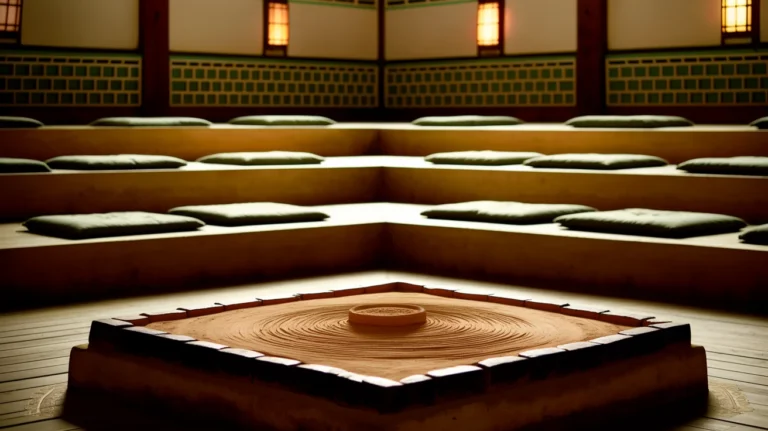
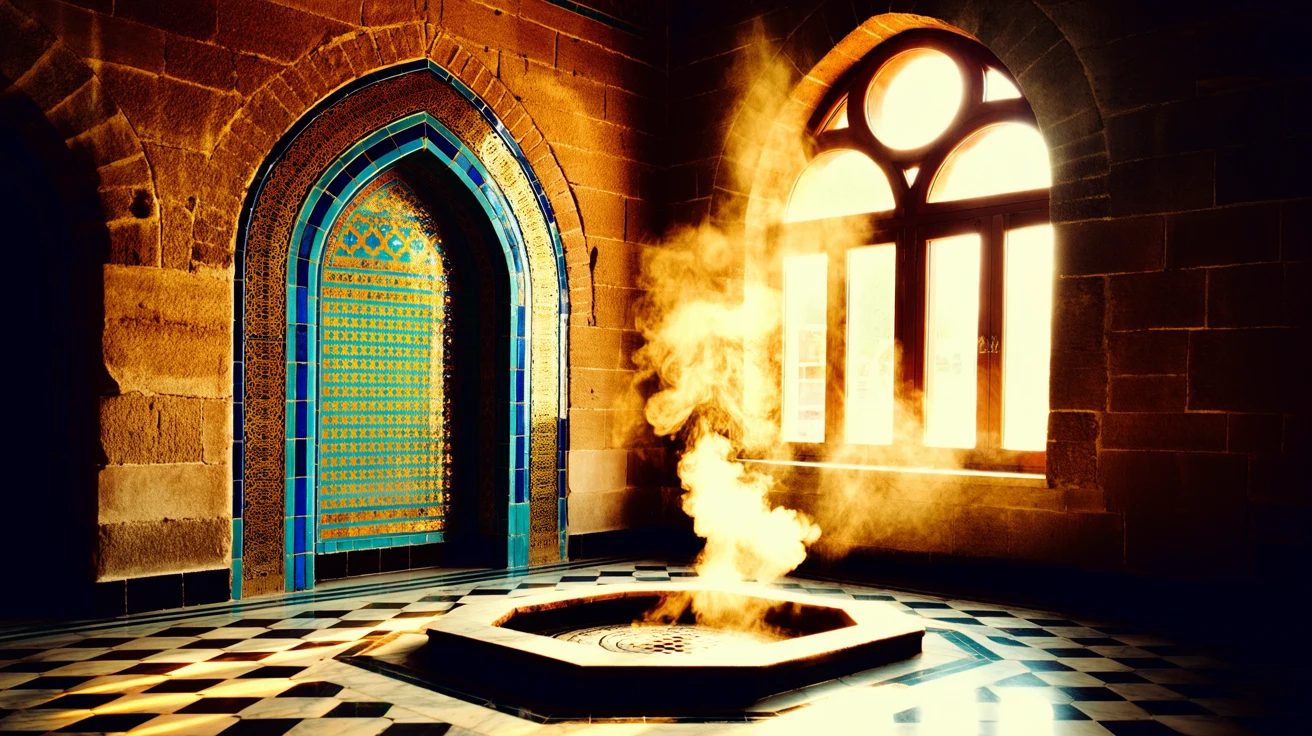
The word describes a public bathhouse heated from below, where thick marble slabs absorb and radiate warmth into a domed room. The heart of it is the göbek taşı (the raised, heated marble platform at the center), where bathers lie down to sweat and later receive their scrub and massage. Light comes through star-shaped glass openings cut into the dome, which is why old hammams glow rather than blaze.
The tradition grew out of Roman bathing culture and was absorbed into Ottoman social life, where washing before prayer gave the bathhouse a religious anchor. For centuries the hammam was also the town’s living room: news, gossip, marriage arrangements, and disputes all passed through it. Cleanliness was the excuse; community was the function.
The three rooms of a hammam
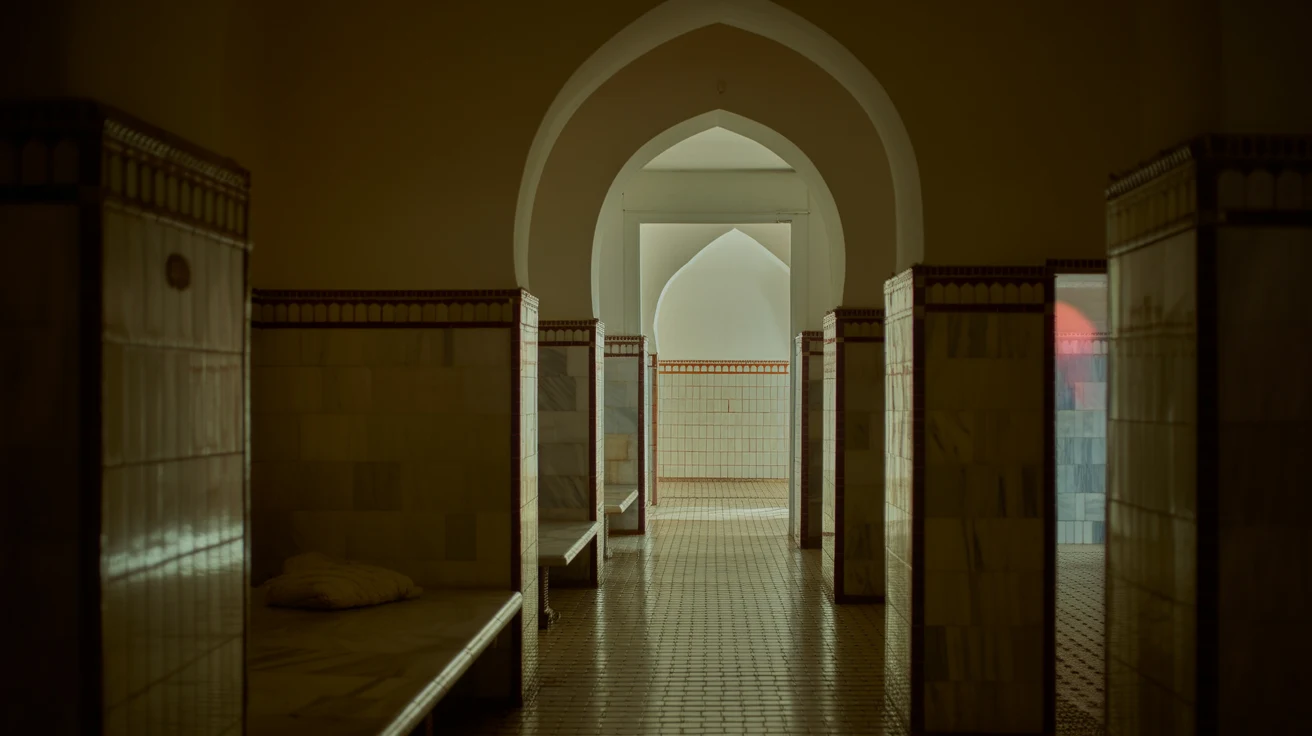
A traditional hammam moves you through three temperature zones, and the sequence matters. You warm up gradually, do the intense part in the hot room, then cool down slowly instead of stepping straight into the street.
| Room | Turkish name | Character | What you do there |
|---|---|---|---|
| Changing hall | Camekan | Cool, dry entrance and changing area | Undress, wrap up, rest before and after |
| Cool room | Soğukluk | Cool, transitional | Acclimate and cool down between the heat and the door |
| Hot room | Sıcaklık | Humid, around 40°C, marble underfoot | Sweat on the heated platform, get scrubbed and washed |
That 40°C figure is the honest headline for anyone expecting Finnish numbers. A hammam is warm and wet, not hot and dry. You won’t get the 70-90°C sear of a proper sauna, and you’re not meant to. The heat here softens skin for the scrub, not to cook you.
Sauna tip: Don’t eat a heavy meal right before a hammam. You’ll spend a long stretch lying face-down on hot marble while someone leans their weight into your back during the foam massage, and a full stomach makes that far less relaxing than it should be.
The kese scrub
The centerpiece is the kese (a coarse exfoliation glove made of rough-woven fabric), worked over your softened skin by an attendant. This is the moment first-timers remember. The scrub is firm, methodical, and slightly confrontational, and it lifts off a startling quantity of gray, rolled-up dead skin. People are genuinely shocked at what comes off a body they thought was clean.
It isn’t gentle and it isn’t supposed to be. The exfoliation glove strips away weeks of buildup in a way a shower never touches, which is exactly why the skin feels so different afterward. If you have a sunburn or fresh tattoo, skip it or warn the attendant, because this is not the setting for delicate treatment.
The foam massage
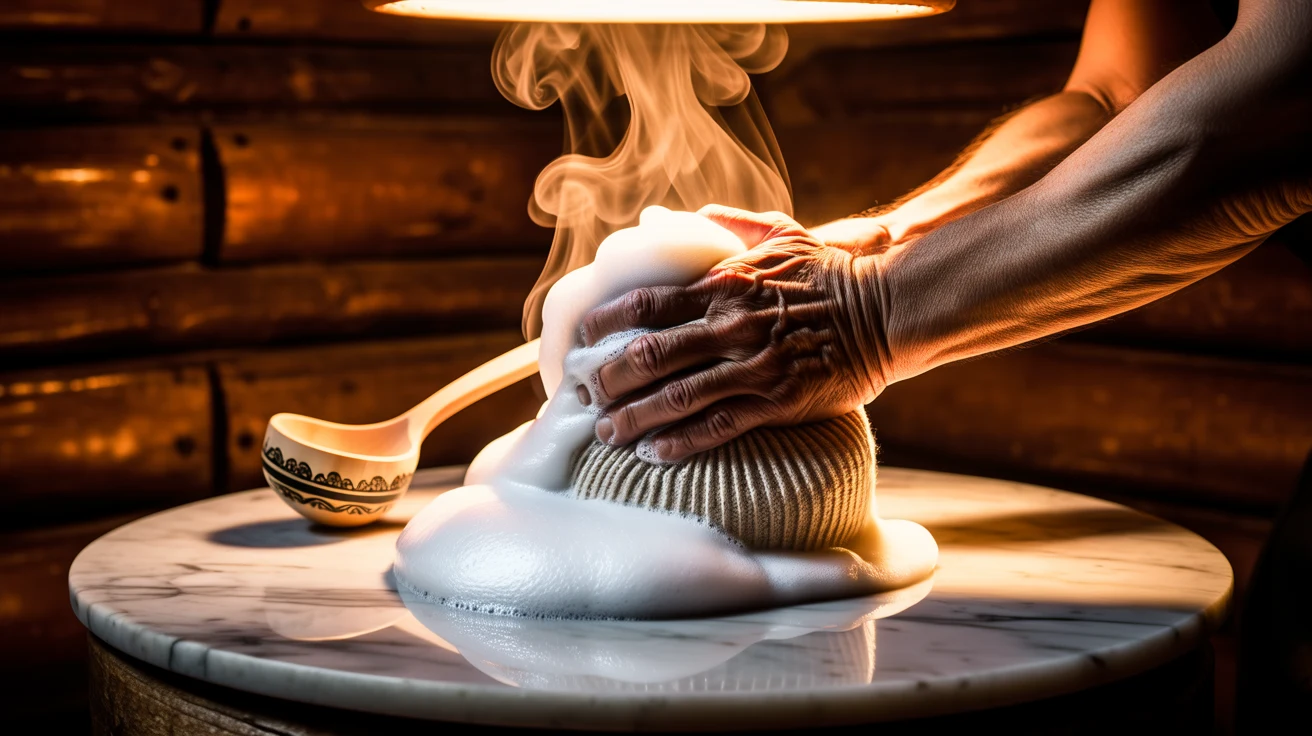
After the scrub comes the part that looks improbable in photos: the attendant works soap through a cloth bag until it produces a mountain of fine foam, then buries you in it. Under that cloud is a wash and a massage, done while you lie on the heated platform. Warm water is poured over you from a metal bowl to rinse between stages.
The whole arc, sweat, scrub, foam, rinse, cool-down, is why a hammam is a service experience rather than a bathing facility. In a sauna you regulate your own heat and leave when you want. In a hammam you hand yourself over to a routine and a person, and the passivity is the point.
Your first hammam visit, step by step
If you’ve never done this before, the sequence is fixed and easy to follow once you know the shape of it. Here is how a full traditional visit runs from door to door.
- Change in the entrance hall and wrap a peştemal around your waist.
- Warm up lying on the heated marble göbek taşı until your skin softens.
- Take the kese scrub, which the venue runs for about 15 to 20 minutes.
- Get the foam wash, buried under a cloud of soap and massaged on the hot stone.
- Rinse off with warm water poured from a bowl, and have your hair washed.
- Cool down in the entrance hall, resting with a cold drink.
A full visit takes about 1.5 to 2 hours according to Kılıç Ali Paşa’s own guide. Stay covered below the waist throughout, and expect an oil massage to be an extra you book on top of the standard scrub-and-foam ritual. Historic hammams still run separate women’s and men’s arrangements: Kılıç Ali Paşa alternates by session, with women’s hours in the daytime (08:00 to 16:00) and men’s in the evening (16:45 to 23:30), while Çemberlitaş keeps fully separate women’s and men’s sections running in parallel.
How a hammam differs from a sauna
The confusion is understandable, since both are hot rooms you sweat in. But the mechanics, the climate, and the social contract are different enough that comparing them directly is more useful than lumping them together. A hammam is closer to a steam room in humidity, but neither the steam room nor the sauna hands you an attendant.
| Turkish hammam | Finnish sauna | |
|---|---|---|
| Heat source | Heated marble, radiant floor | Wood or electric heater with stones |
| Temperature | ~40°C, humid | 70-90°C, drier |
| Steam | Ambient humidity, no löyly | Löyly (the burst of steam from water thrown on hot stones) |
| Who does the work | Attendant scrubs and massages you | You, alone or with friends |
| Social role | Ritual bathhouse, historically Ottoman civic hub | Family and social space, often at home |
That löyly line is the real dividing point. A sauna gives you control over the heat and humidity minute by minute; you throw water, the room bites, you back off. A hammam has no equivalent, because it was never trying to be a sauna. It’s a wash and a ritual with roots in prayer, and the marble does the heating whether you like it or not. If you want the full survey of how these traditions diverge, the broader picture of bathing cultures worldwide puts the hammam alongside the banya, the onsen, and the smoke sauna.
Sauna tip: Bring or buy your own exfoliation glove if you visit a local neighborhood hammam rather than a tourist one. The glove strips more buildup than a shower ever will, and having your own means you know exactly how firm the scrub is.
FAQ
What happens in a Turkish hammam?
You change into a cotton wrap, warm up in progressively hotter rooms, then lie on a heated marble platform where an attendant scrubs your skin with a coarse exfoliation glove, washes you under a mountain of soap foam, and rinses you with warm water. You finish by cooling down and resting. A full visit usually takes about 1.5 to 2 hours.
Do you go naked in a hammam?
No, not in the traditional public setting. Bathers wear a thin cotton wrap called a peştemal around the waist, and hammams are gender-separated so men and women bathe in different sections or at different times. Tourist-facing hammams often allow swimwear, so if you prefer more coverage, that’s accepted.
How is a hammam different from a sauna?
A hammam is a humid marble room heated to around 40°C where an attendant scrubs and massages you, while a Finnish sauna is a drier, much hotter room of 70-90°C that you run yourself. The biggest difference is control: a sauna lets you create steam by throwing water on hot stones, which a hammam has no equivalent for. One is a service ritual, the other is self-directed.
Is the kese scrub painful?
It’s intense but not painful for most people. The glove is coarse and the attendant scrubs firmly, which can feel abrasive, but on healthy skin softened by the heat it’s tolerable and leaves the skin noticeably smoother. Skip it or warn the attendant if you have sunburn, fresh tattoos, or sensitive skin.
How much of your dead skin actually comes off?
More than you’d expect. The combination of humid heat and a coarse glove lifts off weeks of buildup, and it’s common to see gray rolls of dead skin come away during the scrub. This is normal and is the main reason people describe the skin as feeling completely renewed afterward.