Infrared vs Traditional Sauna: The Real Debate
Some links on this page are affiliate links. If you buy through them, I earn a small commission at no extra cost to you. As an Amazon Associate I earn from qualifying purchases.
These two things share a name and almost nothing else. A traditional sauna heats a mass of stones until the air itself becomes the experience; an infrared cabin skips the air and warms your body directly with radiant panels. One produces steam you can control by the ladleful; the other physically cannot. Calling both “saunas” is a bit like calling a wood fire and an electric blanket both “heating” – technically accurate, experientially miles apart.
So the real question isn’t which one is “better.” It’s which one fits your space, your budget, your patience, and what you actually want out of sitting in the heat. Here’s the honest comparison, minus the marketing.
How they actually differ
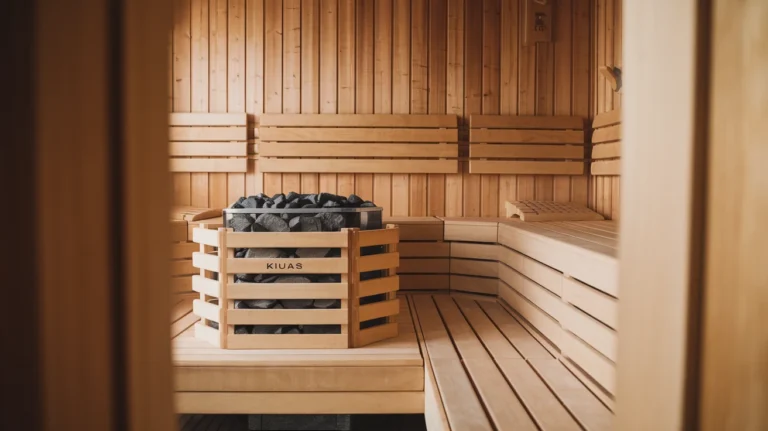
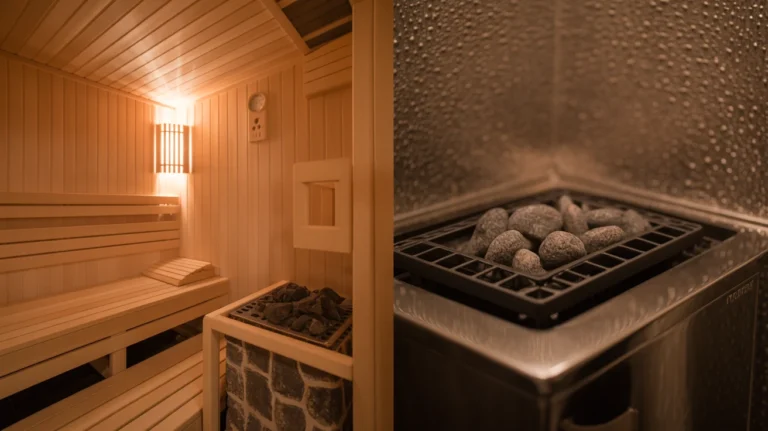
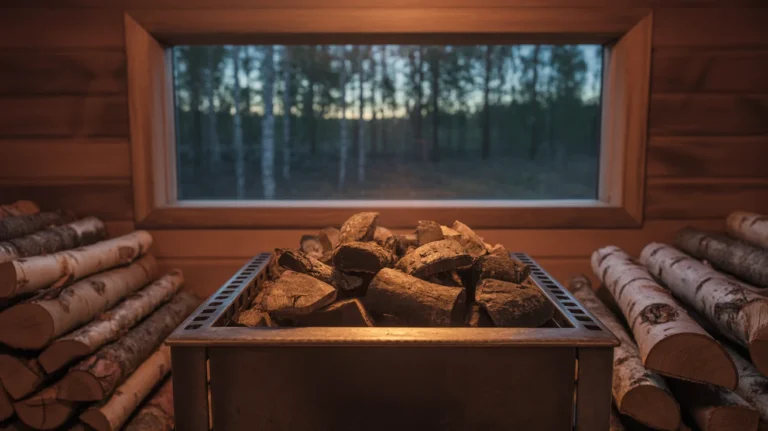
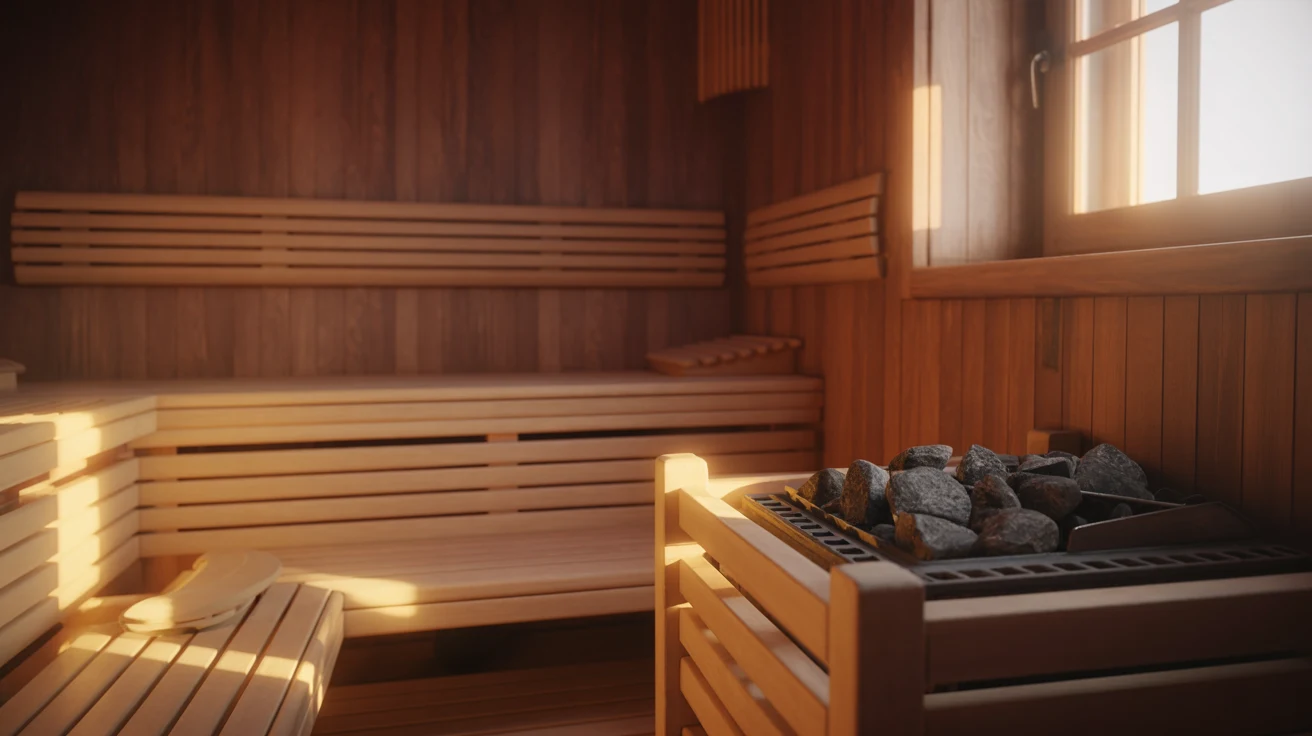
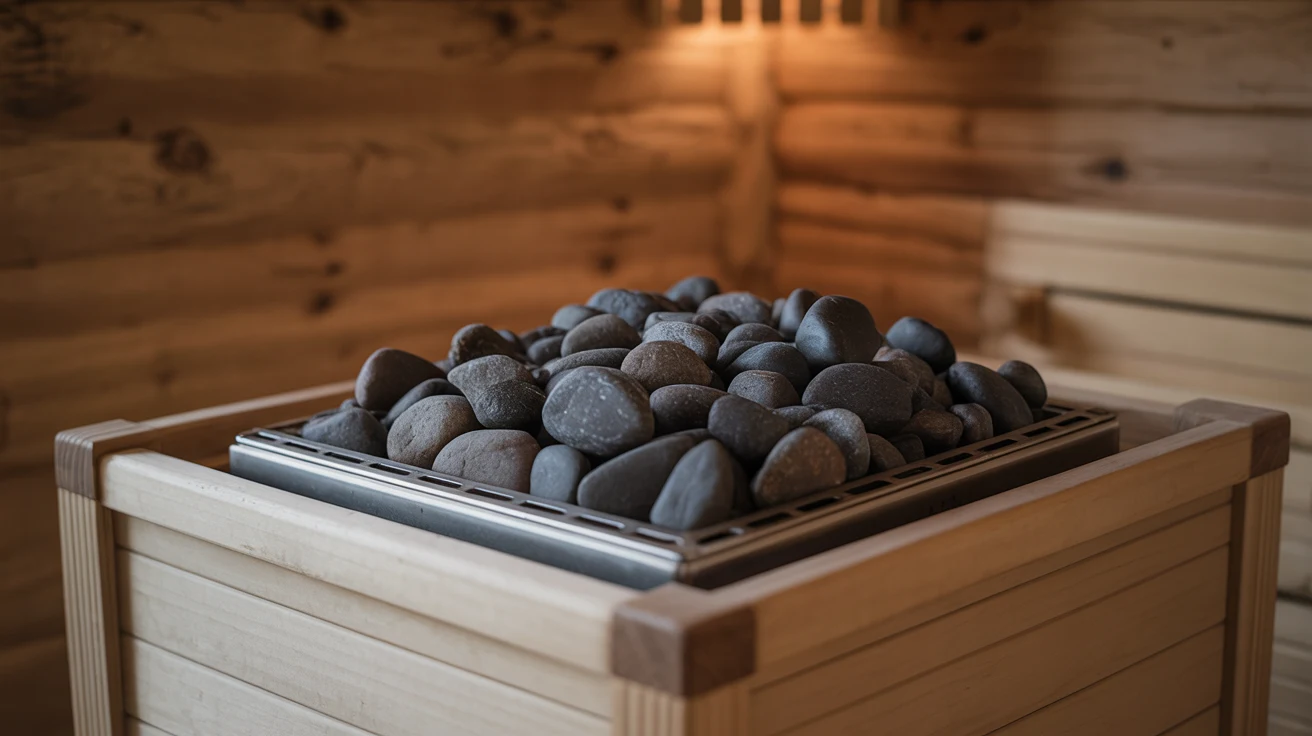
A traditional sauna runs an electric or wood-fired heater that warms a stack of stones. The hot stones heat the air by convection, and the hot air heats you. Pour water on the stones and you get löyly (the burst of steam that rises off the rocks) – the moment that gives a sauna its intensity and lets the bather dial the heat up on demand. Air temperatures sit around 70–90°C (158–194°F), with humidity hovering at 10–20% until you throw water, when it briefly spikes.
An infrared cabin works differently. Carbon or ceramic panels emit radiant waves that penetrate the skin and warm your body directly, while the surrounding air stays comparatively cool – typically 45–65°C (120–150°F). There are no stones, no water, and no löyly. You still sweat heavily, because the heat is reaching you directly rather than through hot air, but the sensation is gentler and the room never gets that skin-prickling blast. The hardware is simple too: panels on the walls, a control pad, and no stones or water to tend.
| Feature | Traditional | Infrared |
|---|---|---|
| Heat method | Hot stones warm the air (convection) | Panels warm the body (radiant) |
| Air temperature | 70–90°C (158–194°F) | 45–65°C (120–150°F) |
| Humidity control | Yes – water on stones | No – always dry |
| Löyly (steam) | Yes | No |
| Heat gradient | Ceiling much hotter than floor | Fairly even, low |
That humidity control matters more than the spec sheet suggests. In a traditional room you can sit in bone-dry heat one round, then change the space entirely with a single ladle of water the next. Bench height gives you another dial – the ceiling can run 30–40°F hotter than floor level, so you self-select intensity just by where you sit. An infrared cabin gives you one setting: dry, moderate, direct.

Time efficiency
This is where infrared wins cleanly. An infrared cabin preheats in about 10–20 minutes, and many owners just step in at the 10–15 minute mark and finish warming up while seated. Sessions run longer – 30–45 minutes is typical – because the lower temperature is easier to tolerate. Door to door, you’re looking at roughly 45–65 minutes, and app-controlled models let you schedule the preheat from your phone.
A traditional sauna asks more of you. A residential 6 kW electric heater wants 30–60 minutes to bring the stones up to temperature, and the Finnish practice is multiple 10–20 minute rounds with cooling breaks between them. A proper multi-round session can run 70–100 minutes or more. That’s not wasted time if the ritual is the point – but it does mean planning ahead rather than deciding on a whim.
Energy cost
Infrared is dramatically cheaper to run. The reason is simple physics: heating your body directly at low air temperatures takes far less power than heating a room full of air and a stack of stones to 80°C.
| Metric | Infrared | Traditional electric |
|---|---|---|
| Power draw | 1–3 kW | 3–9 kW |
| Energy per session | 1–3 kWh | 6–9 kWh |
| Rough monthly (3×/week) | ~$2.50–6/month | ~$15–30/month |
Overall, infrared uses roughly 60–75% less electricity per session. I’d treat the dollar figures as illustrative only – electricity rates vary enormously by region and shift over time, so the honest way to think about it is kWh per session multiplied by whatever you actually pay per kilowatt-hour. The efficiency gap holds regardless of your local rate. In practice, neither is expensive enough to be a dealbreaker for most households – this is about which one costs less, not which one you can afford.
Space requirements
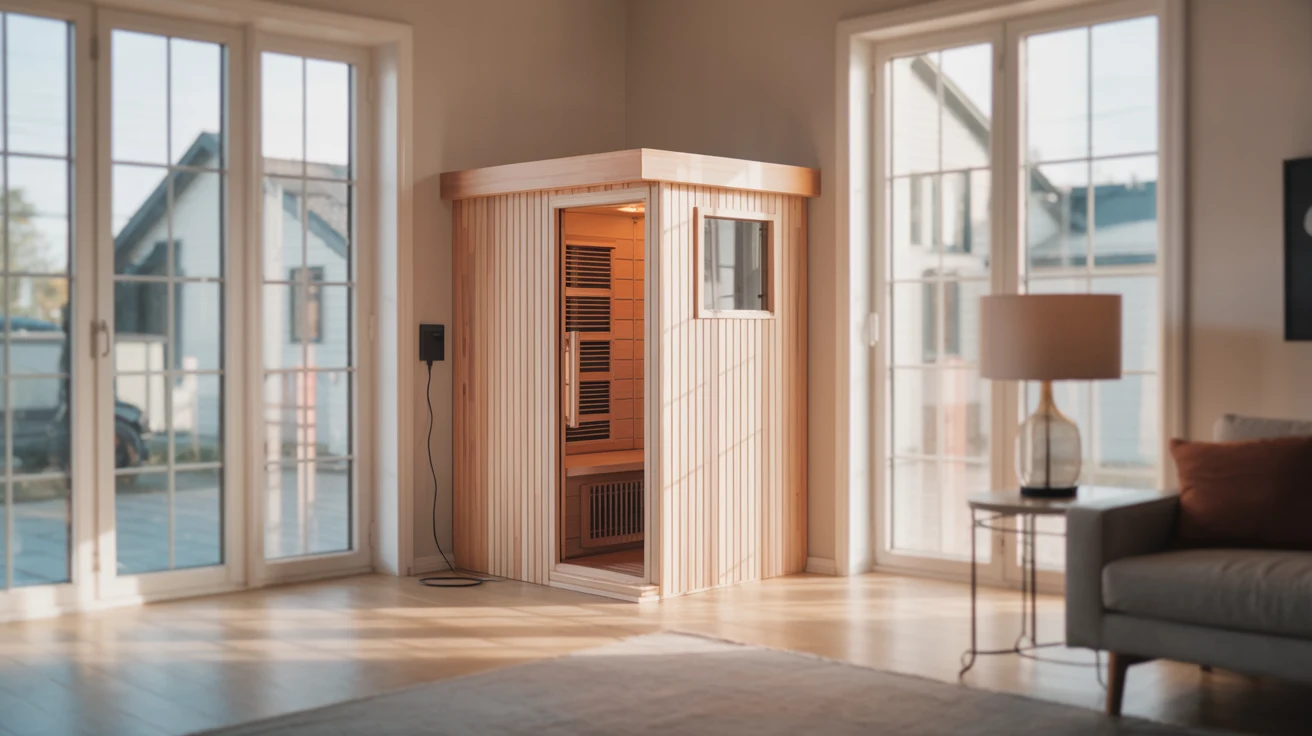
An infrared cabin fits almost anywhere. A one-person unit needs about a 3×4 ft footprint (roughly 12 sq ft), a two-person around 4×4 ft, and most 1–2 person units plug into a standard 120V household outlet. No ventilation construction, no moisture drainage, no permits. These are bolt-together flat-panel kits that two people can assemble in an afternoon.
A traditional sauna is a bigger commitment. A two-person room runs about 4×6 ft, a family four-person around 6×5 ft, with a 7 ft ceiling minimum for a proper two-tier bench layout. Electric traditional heaters need a 240V dedicated circuit and a licensed electrician, plus floor-level and upper vents for air circulation, heat-resistant paneling, and often a building permit. Mandatory clearance zones around the heater eat into your usable floor space too.
The cultural authenticity argument
Here’s where it gets touchy. Finnish sauna culture was inscribed on the UNESCO Representative List of the Intangible Cultural Heritage of Humanity in December 2020 – the first aspect of Finnish culture to earn the designation. Around 90% of Finns sauna at least once a week, in a country with roughly one sauna for every 1.7 people. This is not a wellness fad there; it’s infrastructure.
And by the traditional definition, an infrared cabin isn’t a Finnish sauna at all. The defining marker is a stone heater that accepts water to produce löyly – UNESCO itself describes that steam as “the spirit or steam” and “the heart of the experience.” A cabin that can’t take water on the stones is, culturally speaking, a different category of object. Finnish manufacturers are fairly blunt about this: infrared focuses on health benefits rather than the social and ritual dimensions that define authentic sauna bathing.
The nuance worth noting: UNESCO’s own inscription lists electric, wood-heated, smoke, and infrared saunas together among Finland’s saunas, with “no hierarchy among them.” So infrared isn’t rejected – it’s just acknowledged as its own thing, not synonymous with the tradition. If cultural authenticity is part of what you’re buying, that distinction is the whole argument. The wider sauna types picture lays out where each format sits.
What the evidence says (briefly)
I’ll keep this short, because this page isn’t the place for the study deep-dive. The critical fact: the strongest, longest-running sauna health research – the decades of Finnish prospective cohort data behind the cardiovascular and longevity claims – was all built on traditional high-heat, stone-based saunas with löyly. The researchers behind that landmark 2015 cohort study explicitly state their findings can’t be transferred to infrared units running at lower temperatures.
Infrared has real evidence too – it’s just newer, narrower, and more condition-specific (recovery, chronic pain, heart failure), and bodies like the Mayo Clinic describe it as promising but not yet conclusive. For a full breakdown of what the research actually shows – and how the two evidence bases compare – see the dedicated infrared health claims page. That’s where the citations live.
The honest verdict
There’s no universal winner. There’s a winner for you, and it depends on what you’re optimizing for.
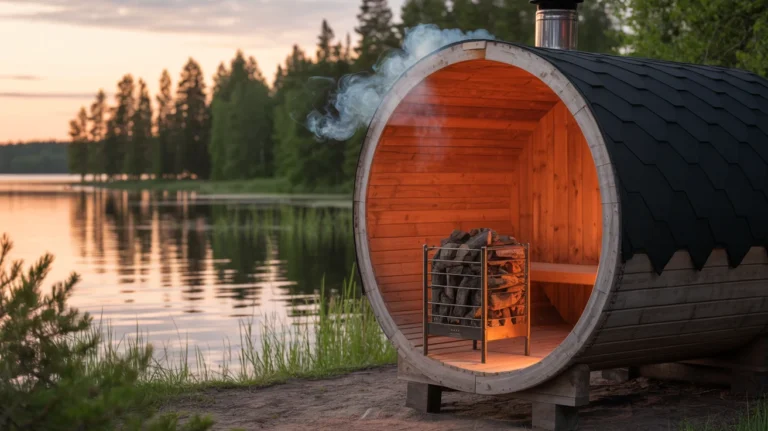
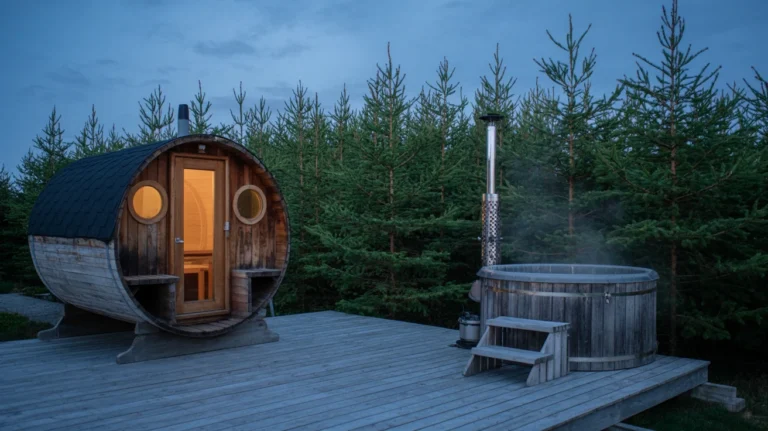
Choose traditional if you want the full experience – löyly, the smell of hot wood, high heat you can push up to 100°C, humidity you control by the ladle, and the multi-round heat-cool ritual. Choose it if the evidence base matters to you, since the strongest cardiovascular and longevity research sits here. And choose it if you have the space, the 240V wiring, and the ventilation for a proper room, indoors or out. A barrel sauna is the classic way to do this outdoors without building a room from scratch.
Choose infrared if you want a simple install – plug into a standard outlet, no permits, no ventilation build. Choose it if space is tight, if you’re heat-sensitive or new to saunas and the lower temperature feels more accessible, if you want daily convenience with a short preheat, or if running cost is a real factor. If you’re leaning this way, the best infrared saunas roundup covers the models worth considering.
The honest middle ground: the best sauna for your health is the one you actually use. Infrared’s lower barrier to entry – cost, space, installation, heat tolerance – often means people use it more consistently, and consistency beats any head-to-head spec comparison. A traditional sauna you use twice a month loses to an infrared cabin you use four times a week. If you want to get into specific models across every format, the pre-built sauna buying guides break them down.
FAQ
Is infrared better than a traditional sauna?
Neither is universally better – they’re different tools. Infrared wins on install simplicity, space, running cost, and accessibility at lower temperatures. Traditional wins on heat intensity, humidity control, the steam burst (löyly), the social ritual, and the strength of its health-research base. The right choice depends on which of those you value most.
Which sauna is healthier, infrared or traditional?
The strongest and longest-running research – decades of Finnish cohort data on cardiovascular health and longevity – is based on traditional high-heat saunas, and its authors say the findings can’t be directly transferred to infrared. Infrared has real but newer, more condition-specific evidence. In practice the healthiest sauna is the one you use consistently.
What sauna do Finns prefer?
Traditional, without much contest. The defining feature of a Finnish sauna is a stone heater you can pour water on to make steam, and roughly 90% of Finns use one at least once a week. Infrared cabins are recognized in Finland but are treated as a separate category, not part of the cultural tradition.
Can an infrared sauna produce steam?
No. Infrared cabins heat your body directly with radiant panels and have no stones and no water function, so they can’t produce the steam burst at all. If that is important to you, only a traditional stone-heater sauna delivers it.
Is an infrared sauna cheaper to run than a traditional one?
Yes. Infrared draws 1–3 kW and uses roughly 1–3 kWh per session, while traditional electric saunas draw 3–9 kW and use 6–9 kWh. That works out to about 60–75% less electricity per session for infrared, though your actual cost depends entirely on your local electricity rate.