
Cold Plunge Temperature and Time: How Cold, How Long
Some links on this page are affiliate links. If you buy through them, I earn a small commission at no extra cost to you. As an Amazon Associate I earn from qualifying purchases.
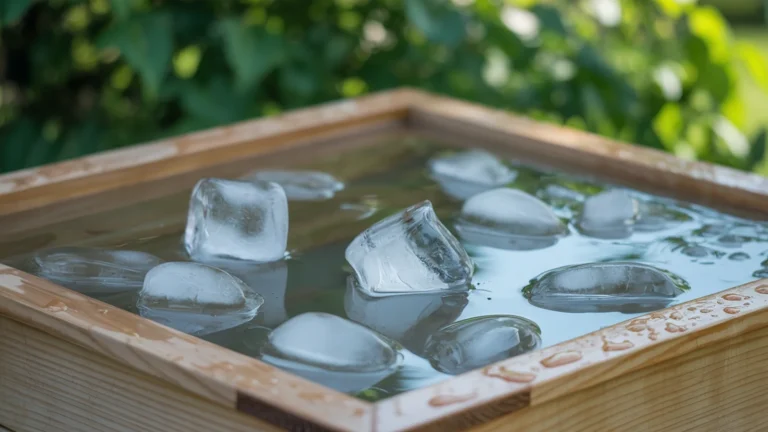
The numbers online run from just above freezing to 60°F, and from thirty seconds to ten minutes. Most of that spread is noise. Mayo Clinic Health System puts it narrower: water at 50°F (10°C) or colder, half a minute to a minute when you are new, working up toward five to ten minutes.
How cold, and how long
Those are the two numbers, and the full guidance adds a useful caveat: researchers are still working out the best timing, so treat it as a window, not a prescription.
| Water temperature | Time when new | Time once used to it |
|---|---|---|
| 50°F (10°C) or colder | 30 seconds to a minute | Building toward 5 to 10 minutes |
The two numbers trade against each other. The colder the water, the shorter you stay in it. Sports medicine physician Amy Beacom, speaking on a Mayo Clinic Press podcast, said protocols are all over the place, and that some of them ask for three minutes at 50°F (10°C).
Colder is not better
Going in triggers the cold shock response: a reflex inspiratory gasp, uncontrollable hyperventilation and a jump in heart rate. It is largely involuntary, even in fit and willing people, and it was strongest in the first half minute in a study that immersed nine healthy men at 59°F (15°C).
Water near freezing is a different animal. Beacom describes core temperature falling to around 92 to 93°F (33 to 34°C) within a minute or two in below-freezing water, which can throw the heart into a ventricular arrhythmia; she calls 30 to 40°F a dangerous temperature. Long plunges can also cause frostbite or skin damage, and the risk rises as the water gets colder.
How often, and how much in a week
Cleveland Clinic suggests beginners plunge once or twice a week and add days as they get used to the shock; some people tolerate a daily dip. Mayo adds one caveat: daily plunges straight after training may compromise long-term training adaptations.
You will see “11 minutes a week” quoted everywhere, usually credited to Susanna Søberg’s 2021 winter-swimmer study. That study compared eight habitual male winter swimmers with eight non-swimming controls. It compared people; it did not test how much cold is enough, so the number is not a target.
Starting out: warmer and shorter
Start at the warm end of the range and keep it short, and spend the first seconds doing nothing but getting your breathing back under control. Cleveland Clinic’s Dominic King names rapid, uncontrolled breathing as a specific hazard, because dizziness or fainting in water is how a cold dip turns into a drowning.
The good news is that the gasp habituates: repeated immersions over several days reduce the size of the cold shock response. So build the clock first, in a tub at home or at the gym, and leave the thermometer alone.
When it is dangerous, and who should skip it
Talk to a doctor before you start if you have heart disease, high blood pressure, diabetes, peripheral neuropathy, poor circulation, venous stasis or cold agglutinin disease, or if you are pregnant. Cold water constricts blood vessels, raises blood pressure and makes the heart work harder, which is why heart conditions and elevated stroke risk are on that list.
In deep or open water, never go alone, and never into water with a current such as a river, where you can be swept downstream or trapped under ice. Get out if your breathing will not settle, or if you feel dizzy or lightheaded.
Is it different after a sauna?
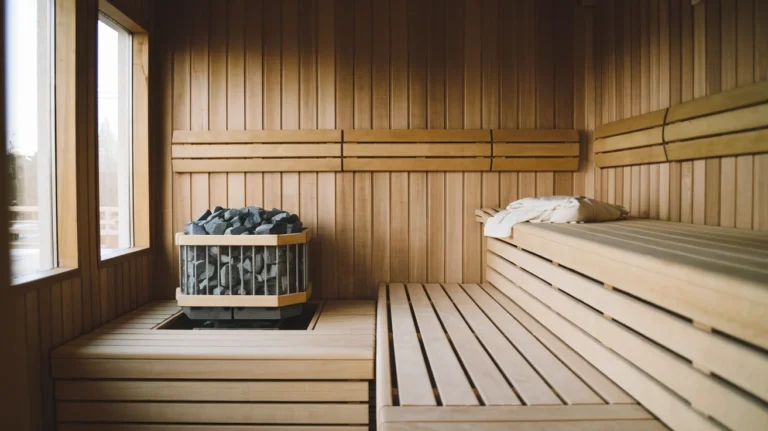
After a sauna you are hot through, and the pattern is hot, cold, rest, repeat. That rhythm has its own rules, and the sauna and cold plunge routine page covers them.
How it is done in Finland
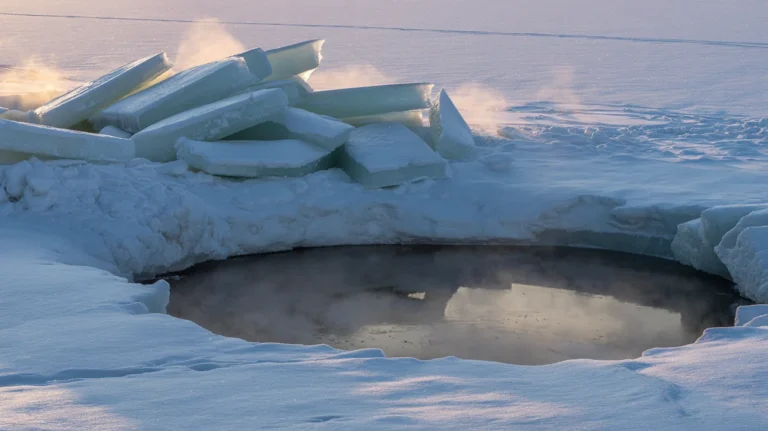
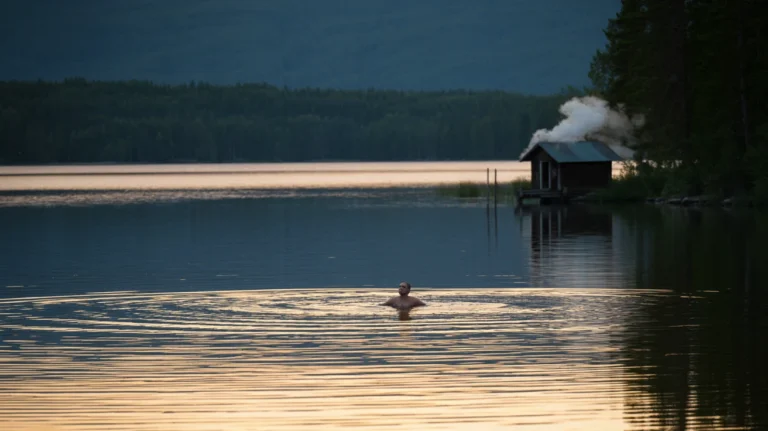
In Finland nobody picks a temperature. The water is whatever the lake is that week, so the only dial a swimmer has is the clock. Finnish winter-swimming guidance tells first-timers that a few seconds to a minute in the avanto (a hole cut in the lake ice) is plenty. A survey summarized by a Turku winter-swimming club found sauna-goers dipping two or three times a week, around 20 seconds per dip, with several dips in one outing.
I’ve done ice holes, but not in a long time. The lake is the most traditional, some people do snow, nobody does the hose, everyone showers. The lake feels nice depending on the water temperature. I prefer a lake.
Common questions
Is 50 degrees cold enough for a cold plunge?
Yes. 50°F (10°C) is the threshold Mayo Clinic Health System names, not a number to beat. Colder water does not buy you a better session, it just means you should spend less time in it.
Can you cold plunge every day?
Some people do, and Mayo says daily plunging is possible. Cleveland Clinic suggests beginners keep it to once or twice a week first. The one real exception is right after strength training, where daily cold may blunt your gains.
Is it better to cold plunge in the morning or at night?
The studies here do not compare times of day, so pick whichever you will actually keep doing. The timing that does matter is relative to training, not to the clock on the wall.
Hero photo: Tiia Monto, CC BY-SA 4.0, via Wikimedia Commons