Cold Plunge for Home: Your Options and the Tubs Worth Considering
Some links on this page are affiliate links. If you buy through them, I earn a small commission at no extra cost to you. As an Amazon Associate I earn from qualifying purchases.
You tried a plunge at a gym or a friend’s deck, liked how the rest of the day felt, and now you’re looking at tubs that cost more than a used car. Here’s the honest version: the water doesn’t care how it got cold. Ice in a plain tub works. A chiller buys you convenience, and most of the price.
At a glance
- Cheapest way in: an inflatable tub cooled with ice, from $139.99, with no power and no filter.
- What a chiller adds: it holds a set temperature and filters between sessions, and on a Dundalk Baltic it moves the price from $2,554 to as much as $6,527.
- Check before you buy: a filled tub can weigh around 1,400 lb (635 kg), so a deck or balcony needs a contractor’s sign-off.
My picks
- Ice only, no power needed: Dundalk Baltic cedar plunge tub
- Lie-down soak: Dundalk Polar plunge tub
- Chiller included, one person: SaunaLife S1N with chiller and heater
- Indoors or outdoors, chiller built in: Icetubs IceBarrel
Three ways to get cold at home
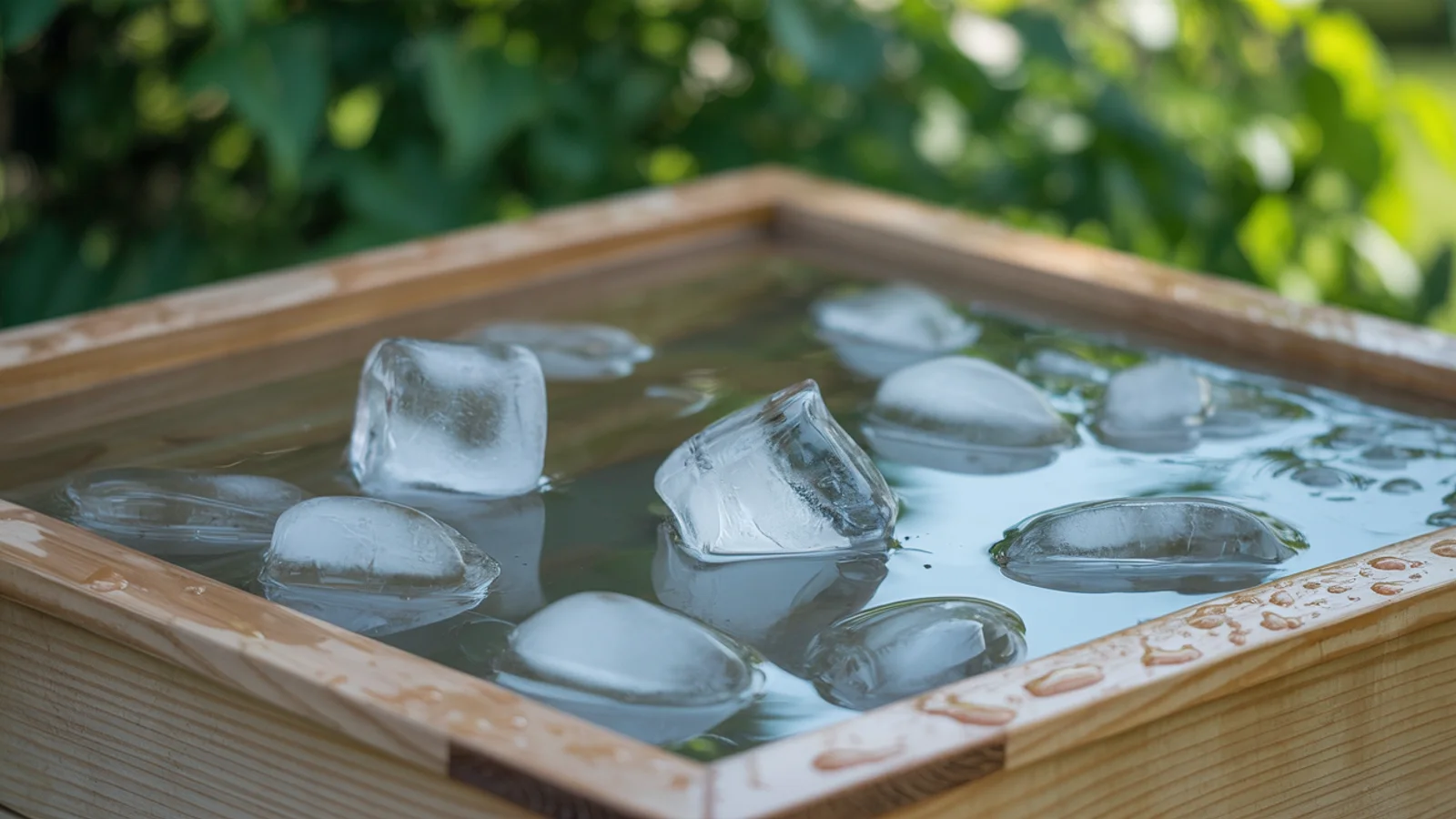
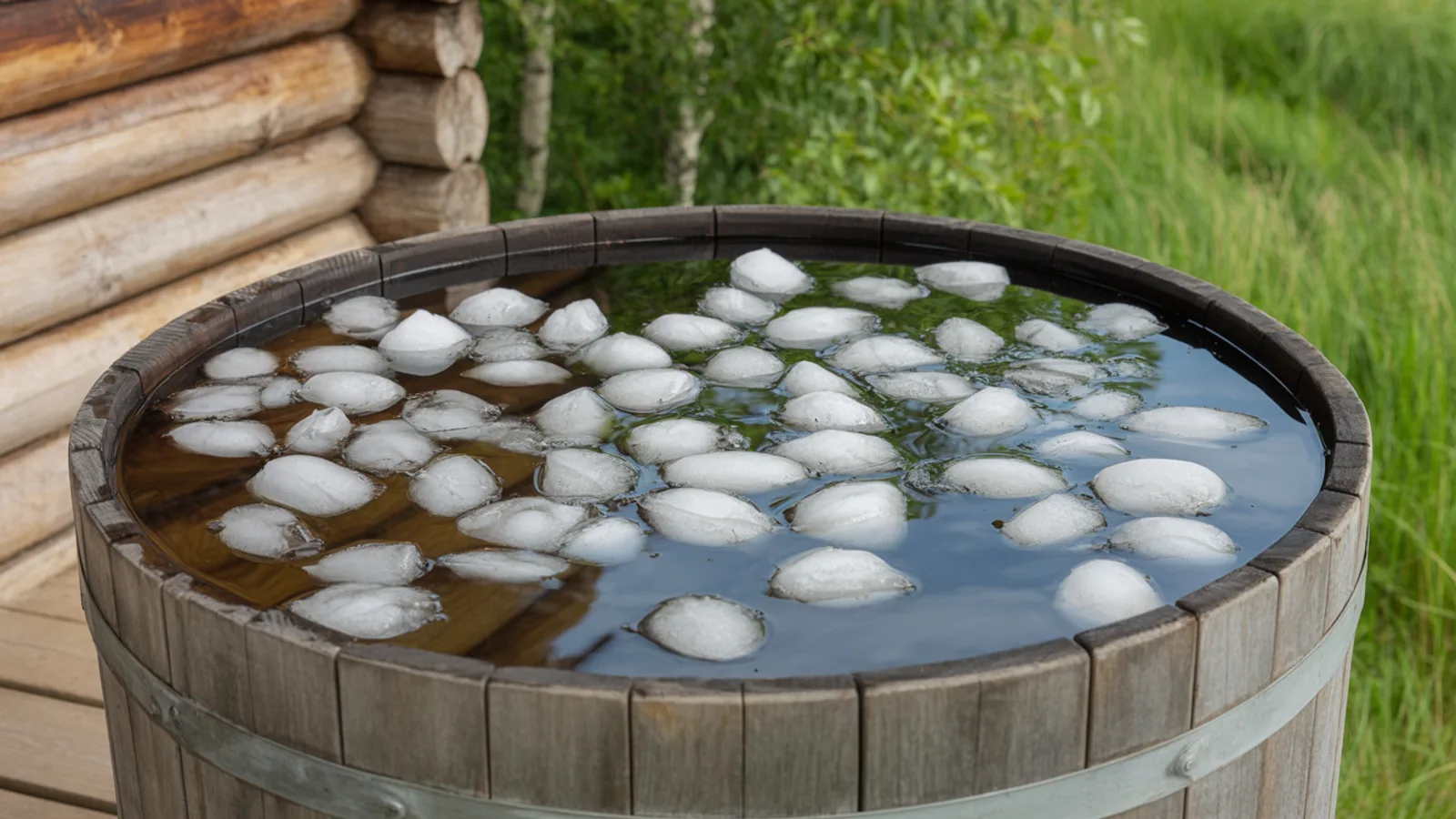
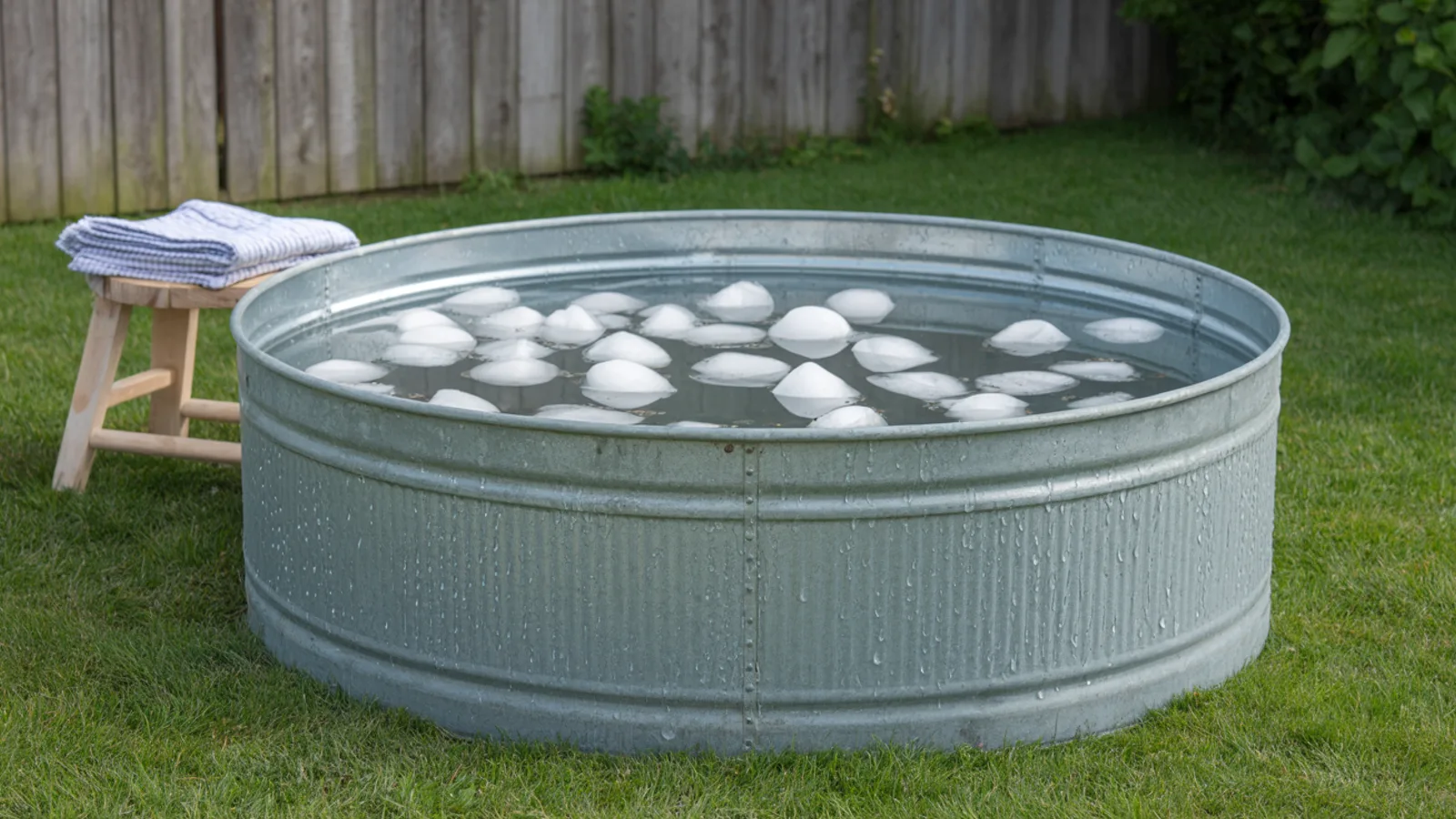
The first is ice in a plain tub: no power, no filtration, and you keep the water clean by draining and refilling. The second is a tub with an electric chiller, which keeps the water at the temperature you choose and runs it through a filter between sessions, so it is ready whenever you are. The third is a converted stock tank or chest freezer, which is cheap and has no published specs, no safety rating and nobody to call. There is a fourth that costs nothing at all, and it’s the one most of northern Europe uses: a cold lake.
The tubs, side by side
| Tub | Type | Chiller | Capacity | Where | Power | Price |
|---|---|---|---|---|---|---|
| Dundalk Baltic | Upright cedar, HDPE liner | Optional | 132 gal (501 L) | Outdoor | 110-120V, 15A if chiller added | $2,554 tub only |
| Dundalk Polar | Lie-down cedar, stainless or HDPE interior | Optional | 190 gal (720 L) | Outdoor | 110-120V, 15A if chiller added | $3,444 tub only |
| Dundalk Flow | Lie-down stainless in cedar cladding | Optional, sits in a built-in compartment | 1 person, 72.5 in interior length | Outdoor | 110-120V, 15A if chiller added | $7,850 tub only |
| SaunaLife S1N | Round contoured fiberglass | Included (FDC-1A chiller/heater) | 1 person, 40 in (102 cm) across | Outdoor | 110-120V | $5,340 plus $695 shipping |
| Finnmark SoulCold | Stainless steel, cold and hot | Cools and heats | See listing | See listing | See listing | $6,990 |
| Icetubs IceBarrel | Upright Thermowood barrel, stainless interior | Included, built in, no plumbing | 1 person, 30.6 x 53 x 46.2 in (78 x 135 x 117 cm) | Indoor or outdoor | Self-contained | $9,995 |
Prices and specs are each maker’s own published figures, checked November 2026. The three Dundalk prices are for the bare tub, so a chiller is on top; the other three already include one. Nothing here was tried in person, and I’d treat any tub above $5,000 as a conversation with the seller about delivery and install before it’s a click.
Do you need a chiller, or is ice enough?
A chiller is the real purchase. It decides whether the tub is ready on a Tuesday morning, how much noise sits on your deck, and most of the gap between a $2,554 tub and a $6,527 one. Dundalk explicitly supports running the Baltic, Polar and Flow on ice alone, which is the right answer if you plunge twice a week and don’t mind hauling bags. If you want it daily, the chiller is what you’re buying, not the wood. How cold and how long are separate questions from the temperature you set.
No maker publishes a running cost. Your own figure is the chiller’s rated draw from its spec sheet, times the hours it runs, times your state electricity rate; rates differ a lot from state to state.
Where a tub can go: space, weight and power
Water is the constraint. Icetubs gives about 1,400 lb (635 kg) for a filled barrel with a bather in it. Put that on a balcony or deck and it is a structural question, not a vibe: have a contractor check the load capacity before the tub arrives, and set it on a sturdy, level base.
Power is simpler. The Dundalk chillers plug into a standard grounded 110-120V household outlet on a 15-amp circuit. If the outlet isn’t already there, that part is an electrician’s job, not an extension cord’s.
For winter, Dundalk is clear: a plunge that will sit unused through freezing weather gets a full drain, chiller, hoses and filters included, and the chiller goes somewhere heated.
Small spaces, portable and inflatable tubs
For a balcony, a garage corner or a rental, the inflatable route is hard to argue with. The Cold Pod is 29.5 in (75 cm) across, holds 85 gallons (320 L) and weighs 7.7 lb (3.5 kg) empty, at $139.99; the XL is 35.4 in (90 cm) and 116 gallons (440 L) at $159.99. Plunge’s Air is a bigger insulated inflatable, 61 x 32 x 28 in (155 x 81 x 71 cm), 105 gallons (400 L), 28 lb (12.7 kg) dry and 903.7 lb (410 kg) filled, at $1,190 for the tub alone or $5,490 with its Pro Chiller. What you give up is cooling and filtration: a bare portable tub holds nothing, so it’s ice and a hand drain, and the Air’s tub carries only a 90-day warranty.
Keeping the water clean
Water care follows the chiller. The Icetubs and SaunaLife units add an ozone generator to their filters; Kohler pairs a 30-micron filter with UV; the Coldture and Penguin chillers sold with the Dundalk tubs use replaceable cartridges. Dundalk LeisureCraft says to inspect the filter about every one to two weeks and replace the cartridge about every one to three months, with a complete drain, clean and refill roughly monthly, adjusted to how much you use it. Its cold plunge guidelines drop that to every one to two weeks if you run no sanitizer. An ice-only tub has no filter at all, so that drain-and-refill rhythm is the whole program.
Cold plunge vs ice bath
The difference is how the cold is made and held, not what it does to you. An ice bath is cooled for one session and drifts warmer as the ice melts; a cold plunge with a chiller sits at a set temperature and stays there. Your body responds to the water temperature, whichever way it got there.
Is it worth it? What the research shows
The PLOS ONE review pooled immersions at 7-15°C (45-59°F) lasting from 30 seconds to two hours. It reported significant changes in inflammation markers and effects on mental wellbeing outcomes, while noting that most included studies were single-immersion and short-term, and that only one of the eleven included women in meaningful numbers. A narrative review of small studies in winter swimmers points the same direction on blood pressure and insulin sensitivity, with samples of seven to 34 people. That’s suggestive, not settled.
The cautions are firmer than the benefits. Cleveland Clinic’s sports medicine team explains why: cold water narrows the blood vessels, so blood pressure goes up and the heart has to work harder, which is a real risk for anyone with heart disease, high blood pressure or a raised stroke risk. Mayo Clinic Health System says plainly that if you have cardiovascular risk factors such as high blood pressure, check with your provider or cardiologist first. A small University of Portsmouth study describes the cold shock response, the reflex gasp and hyperventilation on sudden immersion that raises drowning risk, and found it blunts with repeated immersions over several days. Never plunge alone in deep or open water.
My own view is unglamorous: if you’re a health freak, a cold plunge tub is probably a good buy. If you aren’t, a cold shower and a lake in August cover most of it.
How it’s done in Finland
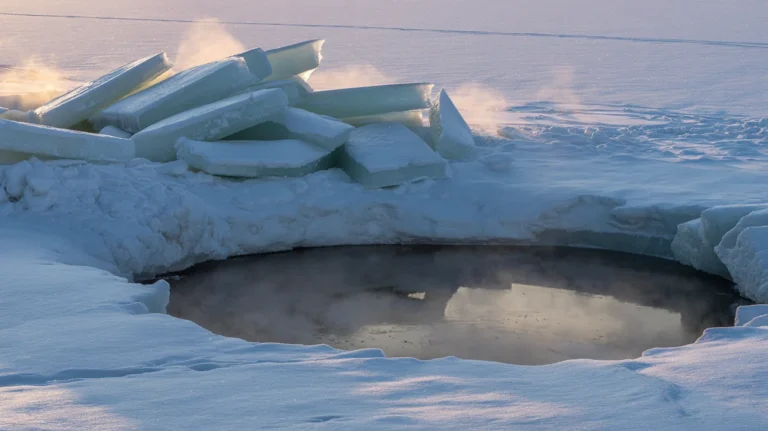
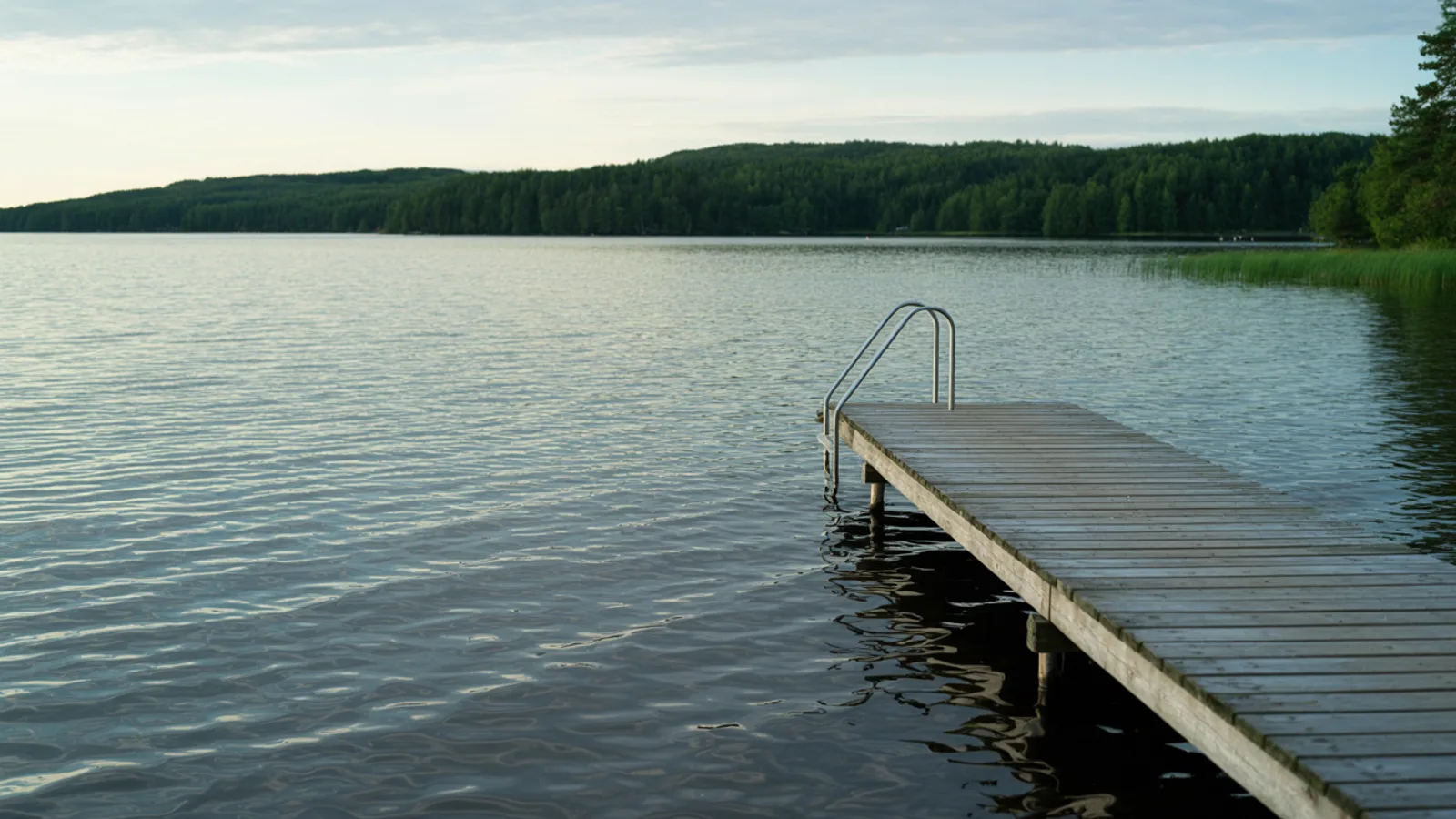
Nobody at home buys a tub. You come out of the sauna and get into whatever water is there: the lake, the sea, or in winter a hole cut in the ice, an ice hole. As many as 150,000 Finns take regular winter dips, and the country has over 200 registered winter swimming clubs, most of them built around a shared sauna, which is really the point of them. In America the cooling problem gets solved by buying a chiller. In Finland it gets solved by waiting for January.
I’ve done ice holes, but not in a long time. The lake is the most traditional, some people do snow, nobody does the hose, everyone showers. I prefer a lake, and how nice it feels depends entirely on the water temperature.
Temperature, time and the sauna round
Most published guidance lands in a narrow cold band for a few minutes at a time, and the sensible starting point is shorter than you think. Pairing it with heat is its own skill, and the alternation matters more than the thermometer: see the sauna and cold plunge routine for how to order the rounds.
FAQ
Is a cold plunge with a chiller worth it?
If you plunge most days, yes: the chiller holds the temperature and filters the water, so there’s no ice run and no refill before each session. If you plunge once or twice a week, ice is fine. Dundalk supports running the Baltic, Polar and Flow on ice alone with no chiller at all.
How much does it cost to run a cold plunge?
No maker publishes a monthly figure. Multiply the chiller’s rated wattage by the hours it runs and by your electricity rate; the Coldture Pro offered with the Dundalk tubs, for one, is rated at 450 watts.
Can a cold plunge go outside in winter?
Yes, with the right tub and the right shutdown. The Icetubs IceBarrel is rated for indoor or outdoor use with no plumbing. Any tub that will sit unused through a freeze needs the full drain described above.
How often should you change cold plunge water?
Dundalk LeisureCraft’s baseline is a complete drain, clean and refill about once a month, adjusted to how much you use it, dropping to every one or two weeks if you run no sanitizer. It also says to inspect the filter every one to two weeks and replace the cartridge every one to three months. An ice-only tub with no filter needs draining more often.